As more folks are really looking for healthier options for their teeth, Ceramic Dental Implants have been getting a lot of attention lately. I mean, Dr. Emily Hartman—who’s pretty much an expert in restorative dentistry—says that these implants are a biocompatible alternative to the usual metal ones. She points out that they can make patients feel more comfortable and look more natural. And honestly, that really sums up why so many people are starting to consider this option.
Not only do Ceramic Implants give you that natural smile, but they also cut down on worries about metal allergies or sensitivities. They blend in so well with your existing teeth that no one would even notice anything different. That said, some people do wonder if they’re as durable as traditional implants. The industry’s been changing fast, and not every ceramic implant out there lives up to the same standards.
Most folks love the way they look, but yeah, there are some practical things to think about. For example, ceramic implants can need a bit more precision when being placed. Still, with all the new tech coming out, these concerns are being addressed more and more. As dental solutions keep evolving, it’s really important to stay in the know and weigh both the aesthetic benefits and how well these options actually work for you.

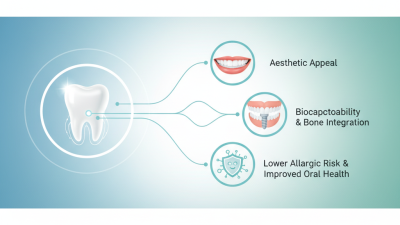
Ceramic dental implants are becoming increasingly popular due to their aesthetic appeal and biocompatibility. This type of implant is made from zirconia, a strong and durable ceramic material. It can blend seamlessly with natural teeth, making it ideal for front teeth applications. According to a recent study, 90% of patients expressed satisfaction with the appearance of their ceramic implants over a five-year period.
One of the key benefits of ceramic implants is their resistance to plaque buildup. Research suggests that zirconia's smooth surface contributes to improved oral hygiene. Patients with ceramic implants reported fewer incidences of gum inflammation compared to those with traditional titanium implants. However, these implants require precise planning and placement by dental professionals, as improper technique can lead to complications.
Despite their advantages, ceramic implants may not be suitable for everyone. They can be more brittle than titanium, which raises concerns in patients with bruxism. Furthermore, the long-term success rate is still being evaluated, with some studies suggesting a slight decrease over ten years. Patients should weigh these factors and consult with their dental providers before deciding.
As dental technology evolves, ceramic implants offer promising advancements for patients. The latest trends focus on biocompatibility and aesthetics. These implants mimic natural teeth closely, blending well with the gums. Many patients favor them for their non-metallic properties. This shift reduces concerns about allergies and metallic sensitivities.
In 2026, the process of placing ceramic implants is becoming more refined. The materials used are lighter and stronger than before. This enhances durability while minimizing discomfort during procedures. Dentists are also improving their techniques, which leads to better outcomes. Yet, despite the progress, challenges remain. The cost can be high, making “Wholesale Ceramic Dental Implants” a potential solution for affordability.
Another key aspect is the ongoing research into the longevity of these implants. While many studies are promising, there are still unanswered questions about longevity. Long-term patient satisfaction varies. Some may experience complications or a need for replacements. This encourages both professionals and patients to weigh options carefully. The future certainly looks bright, yet it is crucial to approach implant choices with thorough understanding and caution.
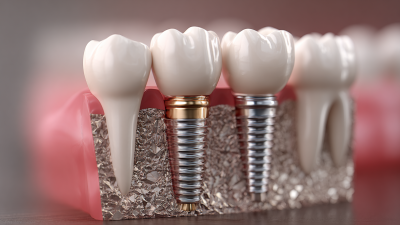
When considering dental implants, patients often face a choice between ceramic and titanium. Each material has its own pros and cons. Ceramic dental implants are gaining popularity. They are known for their natural appearance and biocompatibility. Many patients appreciate how they mimic natural tooth color.
On the flip side, titanium implants are durable and well-established. However, they can sometimes cause an allergic reaction. Some people find the metallic look unappealing. Ceramic dental implants, like those from China, offer a compelling alternative. Yet they may be more brittle, raising concerns about fracture risk.
Dentists often prefer titanium for its proven track record. Still, the aesthetic advantage of ceramics cannot be ignored. Dental professionals are constantly analyzing outcomes. They seek a balance between strength and appearance. The choice may ultimately depend on individual patient needs and preferences. Each option deserves careful consideration and discussion.
Ceramic dental implants are becoming increasingly popular. Recent studies show success rates between 90% and 95%. This is comparable to traditional titanium implants. These rates are promising, but they can vary. Factors like patient health and placement technique play a big role.
Research published in the International Journal of Oral and Maxillofacial Surgery highlights that some patients may experience complications. These issues could include soft tissue reactions or lower bone integration. A study found that around 5% of patients faced these challenges. It’s crucial to weigh these factors when considering ceramic implants.
Understanding the limitations is essential. While ceramic implants are aesthetically pleasing, they might not be suitable for everyone. Long-term studies are still ongoing, and results may change. Patients should discuss all their concerns with dental professionals before making a decision.
Ceramic dental implants are gaining popularity due to their unique material properties. The biocompatibility of ceramics is remarkable. These materials integrate well with bone and gum tissue. This reduces the risk of rejection and infection. Patients often report less discomfort during healing. This makes ceramics a compelling option for many.
Aesthetics play a crucial role in dental implants. Ceramic implants mimic the natural appearance of teeth closely. They can be customized to match the color of surrounding teeth. This results in a more natural smile. However, while ceramics are attractive, they may not be as durable as metal implants. Some patients might experience chipping or cracking under certain conditions. It's important to evaluate individual needs and oral habits.
Choosing ceramic implants involves careful consideration. The benefits are substantial, but imperfections exist. Patients should discuss options thoroughly with dental professionals. Understanding the material's properties helps make informed choices. Do not overlook the importance of post-implant care. Proper maintenance is essential for long-term success.
When considering Ceramic Implants, costs can vary greatly. Factors like material quality, local labor costs, and the surgeon’s experience all play a role. Expect to pay from a few thousand to significantly more. In some regions, prices are climbing due to heightened demand for these biocompatible options. Many people love the aesthetic appeal of ceramic implants, but they should also weigh the cost.
The type of preparation required impacts pricing too. More complex procedures may need longer recovery times and higher fees. Additionally, dental insurance may not cover ceramic implants fully. Patients should carefully research their options. They need to ask about hidden costs, like follow-up visits or additional treatments.
While ceramic implants offer many advantages, they can feel like an expensive investment. Understanding the cost landscape is crucial. Reflecting on personal financial situations can help in decision-making. Think about the long-term benefits versus initial costs when opting for ceramic implants. Balancing your needs with financial realities is key.
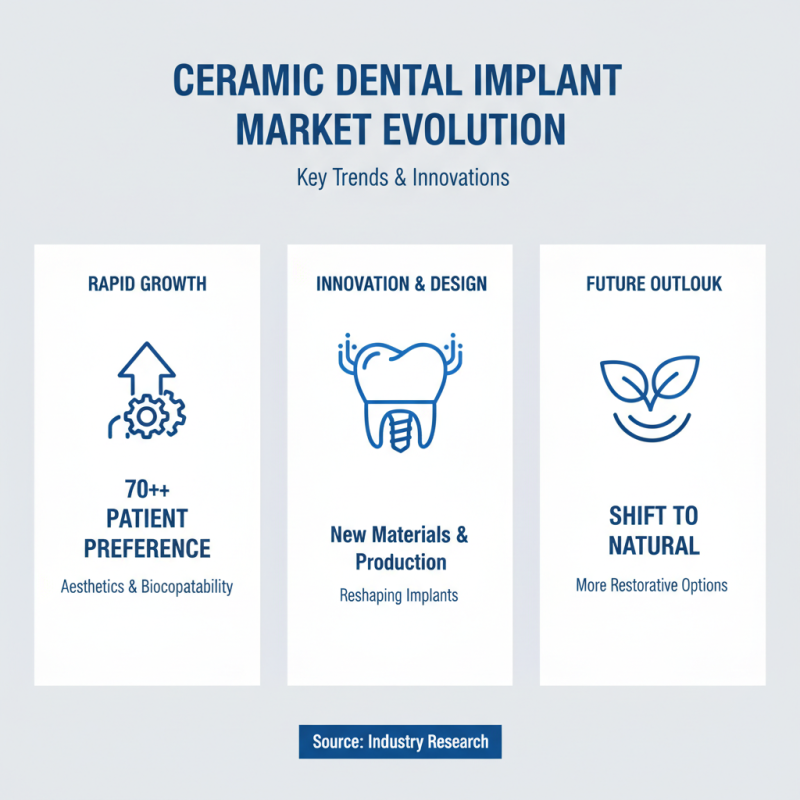
The ceramic dental implant market is evolving rapidly. Innovations are reshaping how these implants are designed and produced. Researchers have found that over 70% of patients prefer ceramic implants due to their aesthetic appeal and biocompatibility. This trend suggests a significant shift toward more natural-looking options for patients seeking dental restoration.
New manufacturing techniques like 3D printing are revolutionizing the industry. They allow for more precise designs and a reduction in production costs. A recent report indicates that the global market for ceramic dental implants is projected to grow by 15% annually over the next five years. However, challenges remain. Some materials still lack long-term data on durability and strength.
The rise of online platforms offering Wholesale Ceramic Implants is expanding access for dental professionals. Yet, the variation in quality across suppliers raises concerns. It is crucial for dentists to vet suppliers carefully. They need to ensure that the products offered meet rigorous safety standards. Balancing affordability and quality will be key in this evolving landscape.
: It enhances daily productivity. Users often report improved focus. Many appreciate its ease of use and effectiveness.
Try integrating it into your routine. Set specific goals to track progress. Consistency is key for optimal results.
Some users may experience mild discomfort. It's essential to monitor your body's response. Adjusting usage can help mitigate issues.
Results may vary for each person. Generally, noticeable changes appear within a few weeks. Patience is essential during this process.
It's advisable to consult a healthcare professional. Combining products can yield unexpected reactions. Always prioritize safety and well-being.
Reassess your usage. Reflect on your habits and routines. Sometimes, adjusting the approach can lead to better outcomes.
Ceramic dental implants have gained significant attention due to their aesthetic advantages and biocompatibility. These implants provide a natural-looking alternative to traditional titanium implants, making them a popular choice for patients who prioritize appearance. In 2026, advancements in ceramic implant technology are set to enhance their durability and success rates, addressing previous concerns regarding their strength compared to titanium.
A comparative analysis indicates that while titanium implants have established success rates, recent studies show that ceramic dental implants are closing the gap, offering competitive longevity and success. Additionally, considerations regarding cost are becoming more favorable as market trends shift, making ceramic options increasingly accessible. As innovation in materials and techniques continues, the ceramic dental implant market is poised for growth, promising even greater advancements that will shape the future of dental restoration.