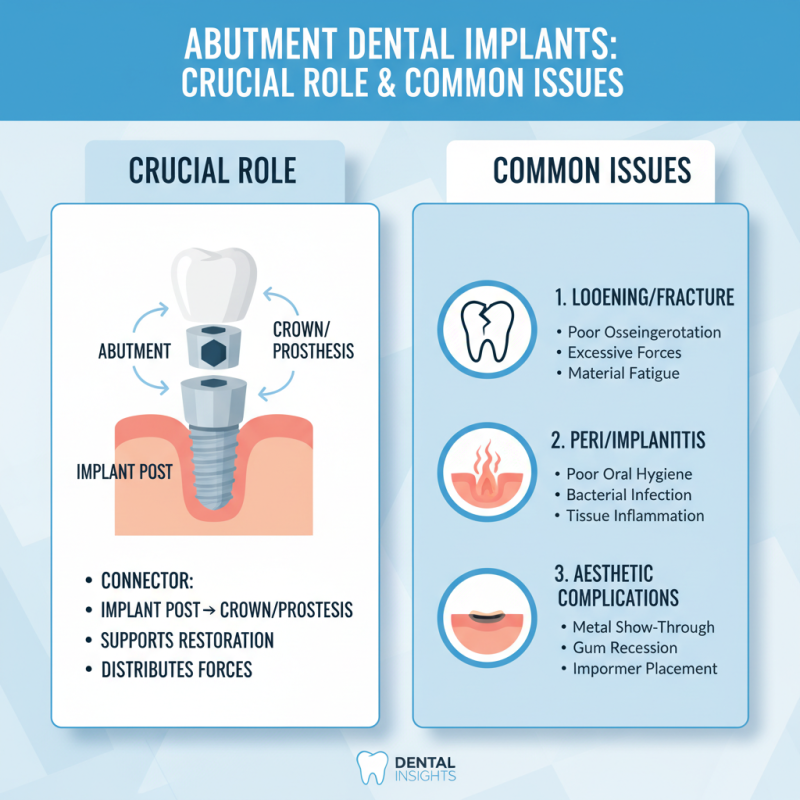
You know, Abutment Dental implants are pretty much essential in today’s dentistry. Basically, they’re the small parts that connect the actual implant to the crown you see — giving it stability and making sure it works like real teeth. Fun fact: the American Academy of Implant Dentistry says that over 3 million folks in the U.S. have dental implants already, and that number’s only expected to go up. But here’s the thing — how well those implants turn out really depends a lot on the quality of the abutment used.
Picking the right abutment isn’t just a matter of ticking boxes. You’ve got to think about things like what it’s made of and how it’s designed, because those factors can seriously impact how good it looks and how long it lasts. A study in the Journal of Dental Research actually pointed out that choosing the wrong abutment can cause problems, even leading to implant failure. And, honestly, a lot of patients don’t realize how important this is — they just expect everything to go smoothly without knowing that not all abutments are created equal.
When it comes to the healing process, healing abutments serve as temporary fixtures that help the tissues heal and prepare the site for the final crown. But, let’s be honest, some patients do run into issues during this stage. Knowing about potential hiccups can help folks manage their expectations better. All in all, while abutment dental implants come with tons of benefits, they also have their own set of challenges that need attention and understanding.
Understanding Abutment Dental Implants: Definition and Purpose
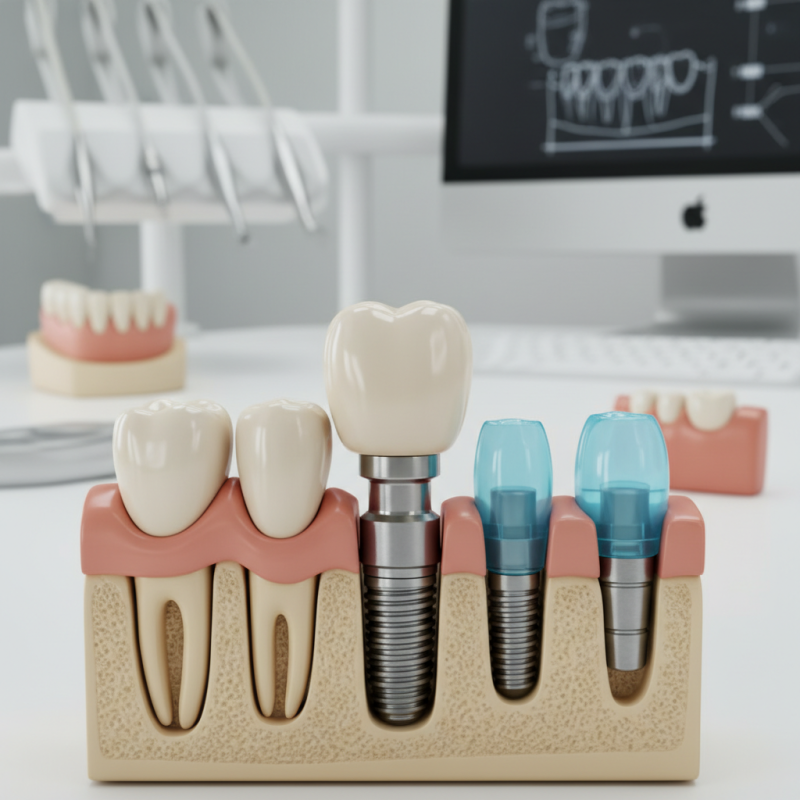
Abutment dental implants play a crucial role in modern dentistry. They act as connectors between the dental implant and the crown. This connection is vital for restoring a patient’s smile and teeth functionality. An abutment is made of strong materials to ensure durability. It must withstand biting and chewing forces.
The placement of abutments is an essential step in the implant procedure. Once the implant is securely placed in the jawbone, the abutment is attached. This process requires precision. A well-fitted abutment ensures that the crown sits properly and feels natural. If the fit is off, it can lead to discomfort.
Tips:
Always consult with your dentist about the best materials for your abutment. Understanding the procedure can lessen anxiety. Ask questions about healing time and care afterward. This communication helps in setting realistic expectations. Remember, every case is unique. What works for one person may not work for another. Keep this in mind when approaching your treatment plan.
Components of Abutment Dental Implants: Types and Materials
Abutment dental implants are essential connectors in the implant process. They hold the prosthetic teeth in place and provide stability. There are several types of abutments, each with unique features.
Commonly used materials include titanium and zirconia. Titanium is known for its strength and biocompatibility. Zirconia, on the other hand, offers superior aesthetics. A report from the American Academy of Implant Dentistry indicates that up to 80% of dental implants utilize titanium for its durability. This shows the popularity of titanium in the field.
There is also the Angled Abutment Dental Implant. This type is crucial for complex cases where alignment is tricky. However, the angle can affect the overall success of the implant. Studies emphasize careful planning and evaluation. Selecting the right abutment type is critical for patient satisfaction. It's apparent that making the right choice isn’t always straightforward. Advanced technology can assist, but human expertise plays a vital role. The choice of material and type should reflect individual patient needs.
The Function of Abutments in Dental Implant Systems
Abutments play a crucial role in dental Implant Systems. They act as connectors between the implant and the final restoration, such as a crown or bridge. According to the American Academy of Implant Dentistry, around 3 million people in the U.S. have dental implants, with many relying on abutments for stability and functionality.
The design of abutments may vary. Some are made from titanium, while others are crafted from zirconia. The choice depends on aesthetic needs and strength requirements. A study published in the Journal of Prosthetic Dentistry states that well-designed abutments can reduce the risk of peri-implantitis, an inflammatory condition affecting the tissue around the implant. However, improperly fitted abutments can lead to complications and compromise the entire system.
It's important to note that not all abutments are created equal. Custom abutments can provide better results than stock ones, yet they may increase costs. The industry shows that 45% of dental professionals still prefer stock abutments for simplicity. This decision often reflects a preference for convenience over optimal outcomes. Balancing cost and effectiveness remains a challenge for many practitioners.
What are Abutment Dental Implants and How Do They Work? - The Function of Abutments in Dental Implant Systems
| Dimension | Description |
| Material | Titanium is commonly used for its biocompatibility and durability. |
| Type | There are several types including straight, angled, and custom abutments. |
| Function | Abutments connect the dental implant to the prosthetic tooth or crown. |
| Configuration | They can be straight or angled based on the placement of the implant. |
| Height | Available in various heights to suit individual patient needs. |
| Retention | Can be screw-retained or cement-retained for better stability. |
| Advantages | Promotes proper gum healing and provides aesthetic benefits for tooth replacement. |
| Placement | Placed after the implant has integrated with the bone, usually as a second procedure. |
Step-by-Step Process of Installing Abutment Dental Implants
Installing abutment dental implants involves a precise, step-by-step process. The initial phase starts with a thorough evaluation of the patient’s oral health and jawbone structure. Clinical studies have shown that about 10% of patients may experience complications during this phase. Dental professionals often use imaging techniques, like X-rays, to plan the surgery. This preparation is crucial for long-term success.
Once the planning is complete, the surgical phase begins. The dental implant is placed in the jawbone, followed by the installation of the abutment. This small connector piece links the implant to the final dental crown. The Dental Implant Final Abutment is vital for establishing a strong bond. Studies indicate that a well-fitted abutment can reduce the risk of complications by up to 30%. However, achieving the ideal fit requires meticulous attention to detail.
After the abutment is secured, healing time is necessary. This phase typically spans several weeks, allowing the implant to integrate with the jawbone fully. It's important to note that roughly 5% of patients may face issues during osseointegration. Regular follow-up appointments help monitor progress and address any concerns. Close observation ensures that the implant functions effectively for years to come.
Factors Influencing the Choice of Abutment Design
Abutment dental implants serve as the critical link between the dental implant and the crown. Their design can significantly impact aesthetics, function, and overall success. When choosing an abutment design, factors like material, height, and angulation play vital roles. Titanium and zirconia are the most common materials due to their biocompatibility and durability.
Studies indicate that the design can influence the risk of complications. According to industry reports, about 15% of patients experience complications related to abutment placement. A poorly designed abutment may lead to issues such as inflammation or improper fit. The angulation of the abutment affects how well the crown sits, impacting chewing efficiency and comfort.
Furthermore, individual patient anatomy must be considered. Factors such as bone density and the position of surrounding teeth influence the choice of design. Reports highlight that custom abutments can enhance fit and reduce complications, yet they are often more expensive. This cost can lead to difficult decisions for patients and practitioners alike. Balancing cost, aesthetics, and functionality requires careful consideration.
Maintenance and Care for Abutment Dental Implants
Maintaining abutment dental implants is crucial for long-term success. Proper care ensures they function well and look good. Regular brushing and flossing are essential. Use a soft toothbrush to avoid damaging the implant. Special dental tools may help clean hard-to-reach areas. Many overlook these details, but they matter.
Dental professionals often recommend routine check-ups. These visits help identify potential issues early. Sometimes, patients may not notice the signs of gum irritation. Regular cleanings can prevent complications. Each patient should be proactive in their oral hygiene, as neglect can lead to failures.
Abutment dental implants come in various types. Understanding these Dental Implant Abutment Types can aid in proper care. Some designs may require specific cleaning methods. Talk to your dentist about your individual needs. Create a routine based on expert advice. It’s essential to feel confident in caring for your implants. Taking these steps can lead to a healthier smile.
Common Issues and Solutions Related to Abutment Implants
Abutment dental implants play a crucial role in restorative dentistry. They serve as a connector between the implant post and the crown or prosthesis. However, some common issues arise with abutment implants that can affect their efficacy and longevity.
One significant problem is the risk of infection. For example, studies show that around 10% of dental implants can suffer from peri-implantitis, a condition that leads to inflammation and bone loss. Timely intervention is essential. Regular follow-ups with your dental professional can help detect any issues early.
Another common concern is the misalignment of the abutment, which can lead to uneven pressure on the gums. This can cause discomfort and prolong healing times. It's vital to ensure that the Dental Healing Abutment is fitted correctly. Consider asking your dentist about the specifics of the fitting process.
Tips: Maintain excellent oral hygiene. Use a soft-bristle toothbrush and non-abrasive toothpaste to clean around the implant. Avoid hard foods that might put pressure on the abutment. Take the time to discuss any abnormalities you experience with your dentist promptly. Communication can prevent further complications.
FAQS
: The article aims to provide information on a specific topic.
Yes, the content is straightforward to understand.
Yes, the article includes examples and explanations related to the topic.
The article's length is manageable for quick reading.
Some sections could use more clarity or detail.
Yes, it prompts readers to think critically about the topic.
The information can be applied practically in everyday situations.
Some ideas might seem complex but are broken down simply.
Yes, the article contains references and examples for better understanding.
Yes, the article discusses both sides of the topic.
Conclusion
Abutment dental implants play a crucial role in the field of restorative dentistry by serving as connectors between the dental implant and the prosthetic crown. Understanding their definition and purpose is essential, as these components come in various types and materials, tailored to meet the needs of individual patients. The function of abutments is to provide stability and support for the artificial tooth, making them integral to the success of the overall dental implant system.
The process of installing abutment dental implants involves several steps, from planning and surgical placement to the final fitting of the prosthetic crown. Factors that influence the choice of abutment design include the patient's oral anatomy and the specific clinical situation. Proper maintenance and care of abutment dental implants are vital to ensure their longevity and function, while being aware of common issues and solutions can help address any complications that may arise during their use.