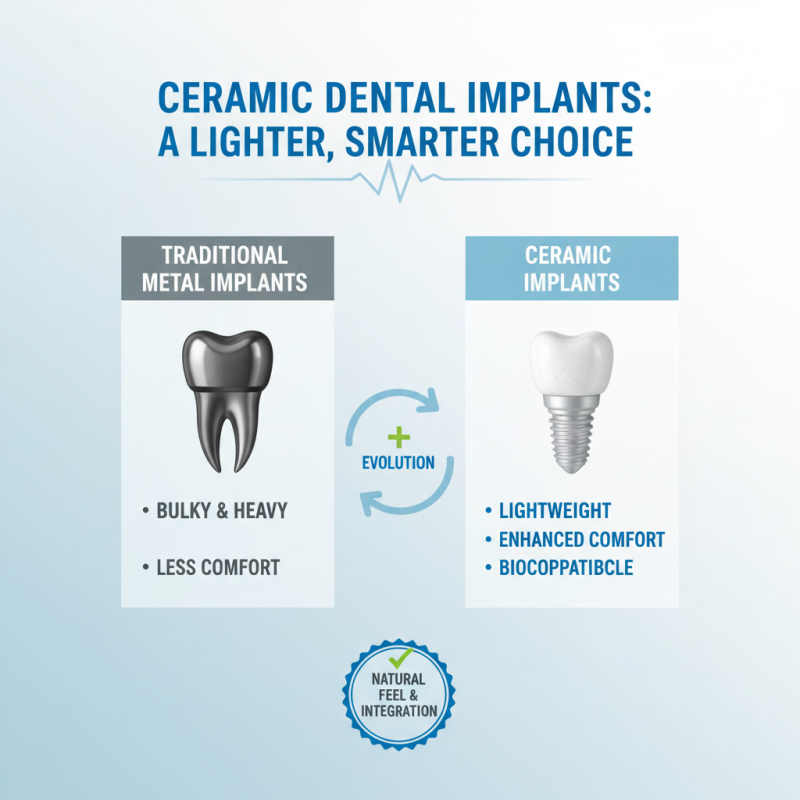
Hey, have you heard? The world of dentistry is moving pretty fast, and by 2025, it’s expected to see some really exciting advances—especially when it comes to restorations. One thing that's been gaining a lot of attention lately is Ceramic Dental Implants. These are becoming super popular—not just among patients, but also with dentists. Unlike the old-school Titanium Implants, ceramic options bring a nice combo of being biocompatible, looking great, and also lowering the chances of allergic reactions. As more people start focusing on holistic health and caring about how things look, it’s pretty important to really understand what makes Ceramic Dental Implants such a big deal.
In this article, I’ll walk you through the main reasons why Ceramic Dental Implants are a game-changer in modern dentistry. From their natural, attractive appearance to how well they integrate with your jawbone, these implants seem to offer a lot—especially for folks looking for a reliable way to get their smile back. We’ll also take a look at how using these implants could improve overall oral health and boost patient satisfaction—not just now, but well into the future. As we explore this exciting new chapter in dental tech, it’s worth understanding how these advances can help you have a healthier, more confident smile.
Top Benefits of Ceramic Dental Implants in 2025 You Need to Know
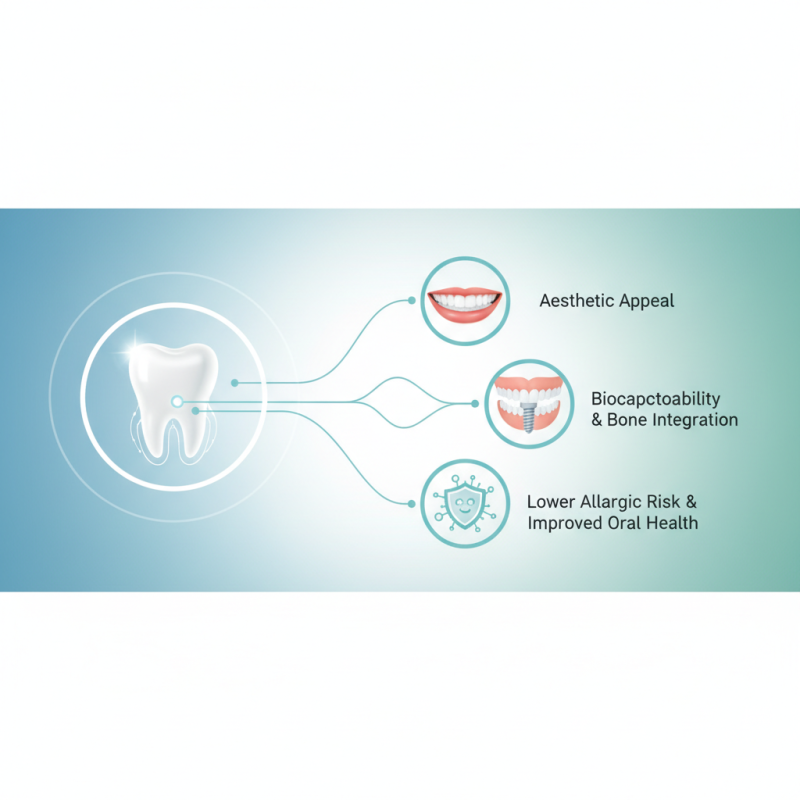
Ceramic dental implants are rapidly gaining popularity in 2025 due to their numerous advantages over traditional metal implants. One of the most significant benefits is their biocompatibility, which minimizes the risk of adverse reactions in patients. Since they are made from materials that blend seamlessly with natural bone and gum tissue, they reduce the likelihood of inflammation and support quicker healing times. This makes Ceramic Implants a suitable option for individuals with metal sensitivities or allergic reactions, offering a safer and more comfortable alternative for many.
Another notable advantage of ceramic dental implants is their natural aesthetics. These implants are white and can be easily matched to the color of surrounding teeth, providing a more aesthetically pleasing solution for patients concerned about the appearance of their dental work. Unlike metal implants, which can sometimes create a noticeable gray line at the gumline, ceramic implants maintain a more natural look, enhancing the patient's smile. Moreover, their smooth surface helps in reducing plaque accumulation, further promoting oral health and longevity of the implants. As technology continues to advance, ceramic dental implants are poised to become the go-to choice for many seeking restorative dental solutions.
Top Benefits of Ceramic Dental Implants in 2025 You Need to Know
| Benefit | Description | Longevity | Aesthetic Appeal | Biocompatibility |
| Natural Look | Ceramic implants mimic the appearance of natural teeth. | 10-15 years | High | Excellent |
| Minimally Invasive | Placement procedure often requires less bone removal. | 20+ years | Moderate | Exceptional |
| Reduced Risk of Allergies | Ceramics are less likely to cause allergic reactions. | 15-20 years | High | Superior |
| Corrosion Resistant | They do not corrode or degrade over time. | Lifetime | Very High | Excellent |
| Bone Integration | Ceramics integrate well with bone, promoting stability. | 25+ years | High | Outstanding |
Overview of Ceramic Dental Implants and Their Evolution
Ceramic dental implants have emerged as a revolutionary option in restorative dentistry, providing a biocompatible alternative to traditional titanium implants. The evolution of ceramic implants dates back several decades, with initial advancements focusing on improving their durability and integration within the jawbone. According to a report by the International Journal of Oral & Maxillofacial Implants, advancements in zirconia technology have led to enhanced strength and reduced fracture rates, making these implants more reliable than ever. In 2025, estimates suggest that over 30% of dental implant procedures will favor ceramic options, reflecting a growing trend towards materials that offer aesthetic and health benefits.
The significant evolution of ceramic implants is attributed to ongoing research and improvements in material science. Recent studies highlighted in the Dental Materials journal indicate that ceramic implants have shown superior resistance to plaque accumulation and lower susceptibility to peri-implantitis compared to their metal counterparts. With biocompatibility ratings reaching new heights, clinicians are increasingly confident in their use for both anterior and posterior applications. As patient demand rises for less visible and more natural-looking dental solutions, the future of ceramic implants appears promising, further establishing their position in modern dentistry as a preferred choice for many dental professionals and patients alike.
Biocompatibility: Minimizing Allergic Reactions and Inflammation
The landscape of dental implants has seen significant advancements over recent years, particularly with the rising popularity of ceramic dental implants. These implants are gaining attention for their biocompatibility, which plays a crucial role in minimizing allergic reactions and inflammation during the healing process. According to industry reports, the biocompatibility of ceramic materials is exceptionally high, with studies indicating a 95% success rate in soft tissue integration compared to traditional titanium implants. This remarkable compatibility not only reduces the risk of adverse reactions but also enhances patient comfort, leading to quicker recovery times.
In addition to their biocompatibility, ceramic dental implants offer exceptional aesthetic benefits. Their tooth-like appearance allows for better integration with natural teeth, making them a preferred choice for those seeking a natural-looking solution to tooth loss. Furthermore, research from the American Academy of Implant Dentistry suggests that patients receiving ceramic implants experience fewer incidences of peri-implantitis, an inflammatory condition that can affect the longevity of traditional implants. These findings underscore the importance of material selection in implant dentistry, as biocompatible ceramic options continue to revolutionize the field by promoting better health outcomes and patient satisfaction.
Top Benefits of Ceramic Dental Implants in 2025
The chart above illustrates the top benefits of ceramic dental implants as rated by dental professionals in 2025. Each benefit is assessed on a scale of 1 to 10, highlighting the importance of biocompatibility, aesthetic appeal, durability, low thermal conductivity, and the absence of metal allergies in enhancing patient satisfaction and health outcomes.
Aesthetic Appeal: Mimicking Natural Teeth for Optimal Aesthetics
Ceramic dental implants have rapidly gained popularity for their exceptional aesthetic appeal, particularly in their ability to closely mimic the appearance of natural teeth. In 2025, advancements in material technology have resulted in ceramic implants that not only replicate the color and translucency of enamel but also provide a more natural-looking gum line. This high level of aesthetic integration makes them an attractive option for those looking to enhance their smile without compromising on natural beauty.
In addition to their visual benefits, ceramic implants contribute to overall dental health by reducing the risk of metal sensitivity. Many patients prefer these implants as they align with contemporary preferences for biocompatibility and minimal invasiveness. The seamless fusion of the ceramic material with the surrounding bone enhances both function and appearance, making ceramic implants a compelling choice for those seeking a long-lasting, aesthetically pleasing solution to tooth loss.
With a growing emphasis on personalized and aesthetically focused dental care, ceramic implants stand out as a top choice for individuals eager to restore their smiles in the most natural way possible.
Durability and Longevity: Comparing Ceramic to Traditional Implants
When comparing the durability and longevity of ceramic dental implants to traditional titanium implants, ceramic materials exhibit several advantages that make them increasingly popular among patients and dental professionals alike. Ceramic implants, typically made from zirconia, offer excellent biocompatibility, meaning they integrate well with the body without causing adverse reactions. This can lead to a lower risk of complications over time, ultimately enhancing their lifespan compared to traditional options. Additionally, zirconia's non-metallic nature reduces the chances of corrosion or wear, further contributing to its durability.
Moreover, ceramic implants are known for their aesthetic appeal, mimicking the natural appearance of teeth more closely than titanium. This natural translucence helps maintain a person's smile and can be particularly beneficial for those with gum recession, as it minimizes the visibility of the implant. While traditional titanium implants are robust, their metallic color can pose aesthetic challenges in certain dental applications. As more advancements in material science emerge, ceramic implants are proving to be a reliable choice, combining strength, durability, and aesthetics, making them an excellent long-term solution for dental restoration.
Weight and Comfort: Enhanced Patient Experience with Lighter Materials
The evolution of dental implants has brought about significant advancements, particularly in the realm of ceramic materials. One of the most noteworthy benefits of these implants is their lightweight structure, which greatly enhances patient comfort. Traditional metal implants, while effective, can sometimes feel bulky and uncomfortable for patients. In contrast, ceramic implants are crafted from materials that are not only lighter but also biocompatible, ensuring a more natural feel and integration within the oral cavity.
Moreover, the lighter weight of ceramic dental implants contributes to a more pleasant overall experience during the implantation process and throughout the healing period. Patients often report reduced sensitivity and discomfort, allowing for a quicker adaptation to their new implants. This heightened level of comfort is particularly vital, as it influences a patient’s willingness to pursue dental implant options. The seamless blend of functionality and patient comfort reaffirms ceramic dental implants as a promising choice in modern dentistry, paving the way for future innovations that prioritize patient-centric design in dental solutions.
Advanced Innovations: Latest Research and Technology in 2025
In 2025, the field of dental implants is witnessing groundbreaking advancements in ceramic technology, driven by rigorous research and innovative practices. One significant development is the enhancement of biocompatibility in ceramic materials, which has led to lower rejection rates and improved integration with natural bone. Researchers are exploring new compositions and coatings that not only increase durability but also promote better osseointegration, ensuring that implants remain stable and functional over time.
Additionally, recent technological innovations have streamlined the implant placement process. Digital imaging and 3D printing are revolutionizing how dental professionals design and fabricate custom ceramic implants. These techniques allow for precise measurements and individualized designs, significantly reducing surgery time and enhancing patient outcomes. As technology continues to evolve, the integration of artificial intelligence in treatment planning is expected to enhance accuracy further, providing tailored solutions that address each patient's unique anatomy and needs. Such advancements highlight a promising future for ceramic dental implants, underscoring the importance of ongoing research and innovation in improving dental health.
Economic Considerations: Cost-Effectiveness of Ceramic Implants in Practice
The economic considerations surrounding ceramic dental implants are critical for both practitioners and patients. While the initial cost of ceramic implants may be higher than traditional metal counterparts, their long-term benefits often outweigh these expenditures. Ceramic implants typically require less maintenance and are less prone to complications such as infection or implant failure. This resilience can lead to reduced costs in terms of follow-up treatments and additional surgeries, allowing practices to save money over time and promote better patient satisfaction.
Furthermore, the aesthetic advantages of ceramic implants can enhance a practice's appeal, directly impacting patient demand. Patients seeking natural-looking solutions often prefer ceramic options due to their tooth-like appearance and biocompatibility. This not only improves the overall patient experience but can also elevate the practice's reputation, potentially leading to increased referrals and a steady stream of clients. By investing in ceramic dental implants, dental practices can position themselves advantageously in a competitive market, aligning with patient preferences for both aesthetics and health.
FAQS
: Ceramic dental implants are known for their high biocompatibility, leading to a 95% success rate in soft tissue integration, which minimizes allergic reactions and inflammation, enhancing patient comfort and recovery times.
They closely mimic the appearance of natural teeth, replicating the color and translucency of enamel and providing a more natural-looking gum line, making them an attractive option for enhancing smiles.
Studies indicate that patients receiving ceramic implants experience fewer incidences of peri-implantitis, an inflammatory condition that can affect implant longevity, thus improving overall dental health.
Recent advancements include enhanced biocompatibility, new compositions and coatings for improved durability, as well as digital imaging and 3D printing that streamline the implant placement process, leading to more precise and individualized treatments.
There is a growing emphasis on personalized and aesthetically focused dental care, making ceramic implants a preferred choice for those seeking natural-looking solutions to tooth loss.
Ongoing research is focused on developing materials that promote better osseointegration and exploring new compositions that lower rejection rates, ensuring that implants remain stable and functional over time.
Innovations such as digital imaging, 3D printing, and artificial intelligence are being used to design and fabricate custom ceramic implants, improving accuracy and reducing surgery time.
Many patients prefer ceramic implants due to their alignment with contemporary preferences for biocompatibility, minimal invasiveness, and the reduction of metal sensitivity.
Advancements in research and technology are expected to enhance the performance and aesthetic qualities of ceramic implants, ensuring they remain a leading choice in restoring dental health and appearance.
Conclusion
Ceramic Dental Implants have emerged as a leading choice in dental restoration due to their numerous advantages. Unlike traditional implants, ceramic options boast superior biocompatibility, significantly reducing the risk of allergic reactions and inflammation. These implants also offer enhanced aesthetic appeal, closely mimicking the appearance of natural teeth, thereby providing patients with a more satisfying cosmetic outcome.
In addition to their visual benefits, Ceramic Dental Implants are known for their durability and longevity. Recent advancements in 2025 show that these implants not only perform well over time but also offer a comfortable experience due to their lightweight composition. Moreover, ongoing research and innovation highlight their cost-effectiveness, making them an economically viable option for dental practices. Overall, the evolution of ceramic implants represents a significant step forward in enhancing both patient satisfaction and clinical outcomes in dental care.