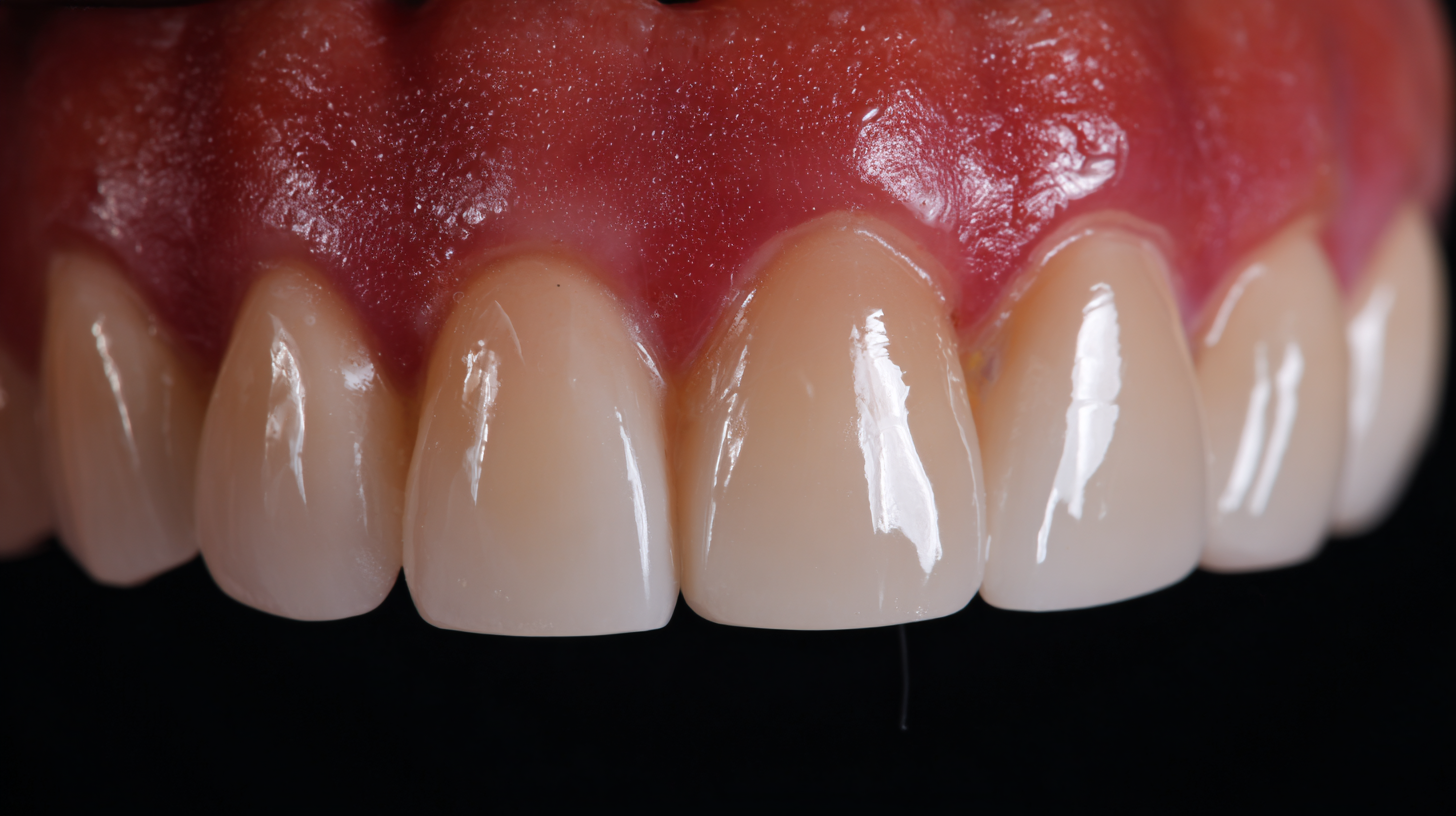
Lately, it seems like Dental Implantology has really taken some big leaps forward. One of the coolest new things? Prefabricated Abutments. These ready-made parts have actually made a difference—cutting down on surgery time and giving both patients and dentists better results. Dr. James Smith over at Dental Innovations Inc. puts it nicely when he says, 'Using Prefabricated Abutments doesn’t just speed up implant procedures; it also helps us get a more precise fit, which patients definitely notice and appreciate.'
As dental pros are always looking for ways to do better, understanding the perks of Prefabricated Abutments really is key. They help simplify the process, which means patients can heal faster and with less fuss. Plus, their consistency and reliability go a long way in making sure dental implants stand the test of time—something everyone in the field is aiming for.
With dental tech advancing so rapidly, jumping on board with innovations like Prefabricated Abutments is just smart. When clinics start using these, not only do workflows get smoother, but patients get better care, and honestly, it kind of feels like dentistry is moving into a new era. It’s pretty exciting to see how these little tweaks can make such a big difference!
Advantages of Prefabricated Abutments in Streamlining Dental Implant Procedures
The use of prefabricated abutments in dental implantology offers significant advantages in streamlining procedures and enhancing patient outcomes. These pre-engineered components can be readily integrated into the surgical workflow, thereby reducing surgical time and minimizing the number of clinical visits required. By utilizing prefabricated abutments, dental professionals can achieve consistent fit and stability, which are critical for the long-term success of dental implants.
Additionally, advancements in digital workflows, such as those utilized in recent techniques for full-arch implant placement, further emphasize the benefits of prefabricated systems. The integration of digital planning tools allows for precise alignment and positioning, improving the overall efficacy of implant procedures. This complete digital workflow aids in the seamless transition from planning to execution, facilitating a higher degree of predictability and efficiency in treatment protocols. As a result, patients experience reduced discomfort and quicker healing times, marking a significant advancement in modern dental implantology.
Benefits of Prefabricated Abutments in Dental Implantology
Enhanced Precision and Customized Fit with Prefabricated Solutions
The implementation of prefabricated abutments in modern dental implantology offers substantial benefits in terms of enhanced precision and customized fit. According to recent industry analysis, the dental crowns market, which encompasses both prefabricated and customized solutions, is expected to grow significantly, driven by increasing patient demands for personalized dental care. The prefabricated abutments allow for streamlined procedures, reducing both the time and complexity involved in dental implant surgeries. This efficiency is critical as practices aim to enhance patient experiences while maintaining high standards of care.
Moreover, advancements in 3D printing technology are poised to revolutionize the dental sector further. Customized solutions created through 3D printing offer unparalleled accuracy and cost-effectiveness for dental prosthetics and implants. Recent insights predict that the integration of such innovative technologies could potentially transform the manufacturing process within the industry, leading to more adaptive and tailored treatment plans for patients. As the dental field continues to embrace these technological advancements, the synergy between prefabricated solutions and customization will likely set new standards in implantology and overall patient satisfaction.
Cost-Effectiveness of Using Prefabricated Abutments in Dental Practices
The cost-effectiveness of utilizing prefabricated abutments in dental practices has emerged as a significant consideration in modern dental implantology. As the industry evolves, the adoption of prefabricated solutions offers numerous financial advantages for dental practitioners. By reducing the need for custom fabrication, these abutments not only streamline the treatment process but also lower the overhead costs associated with laboratory work. This can result in more affordable treatment options for patients, enhancing accessibility to dental care.
Moreover, the ongoing trends in the US abutment implants market highlight a growing preference for materials such as titanium and zirconia, known for their durability and aesthetic appeal. The shift towards prefabricated options is bolstered by innovations in material technology, particularly with the introduction of polyetheretherketone (PEEK) for crown restorations. With the increasing integration of advanced manufacturing processes, such as 3D printing, dental practices can further capitalize on cost-effective approaches while maintaining high standards of quality and patient satisfaction. Adopting these prefabricated solutions allows dental professionals to provide efficient, reliable, and economically feasible care in a competitive healthcare landscape.
Improving Patient Experience Through Faster Implant Placement
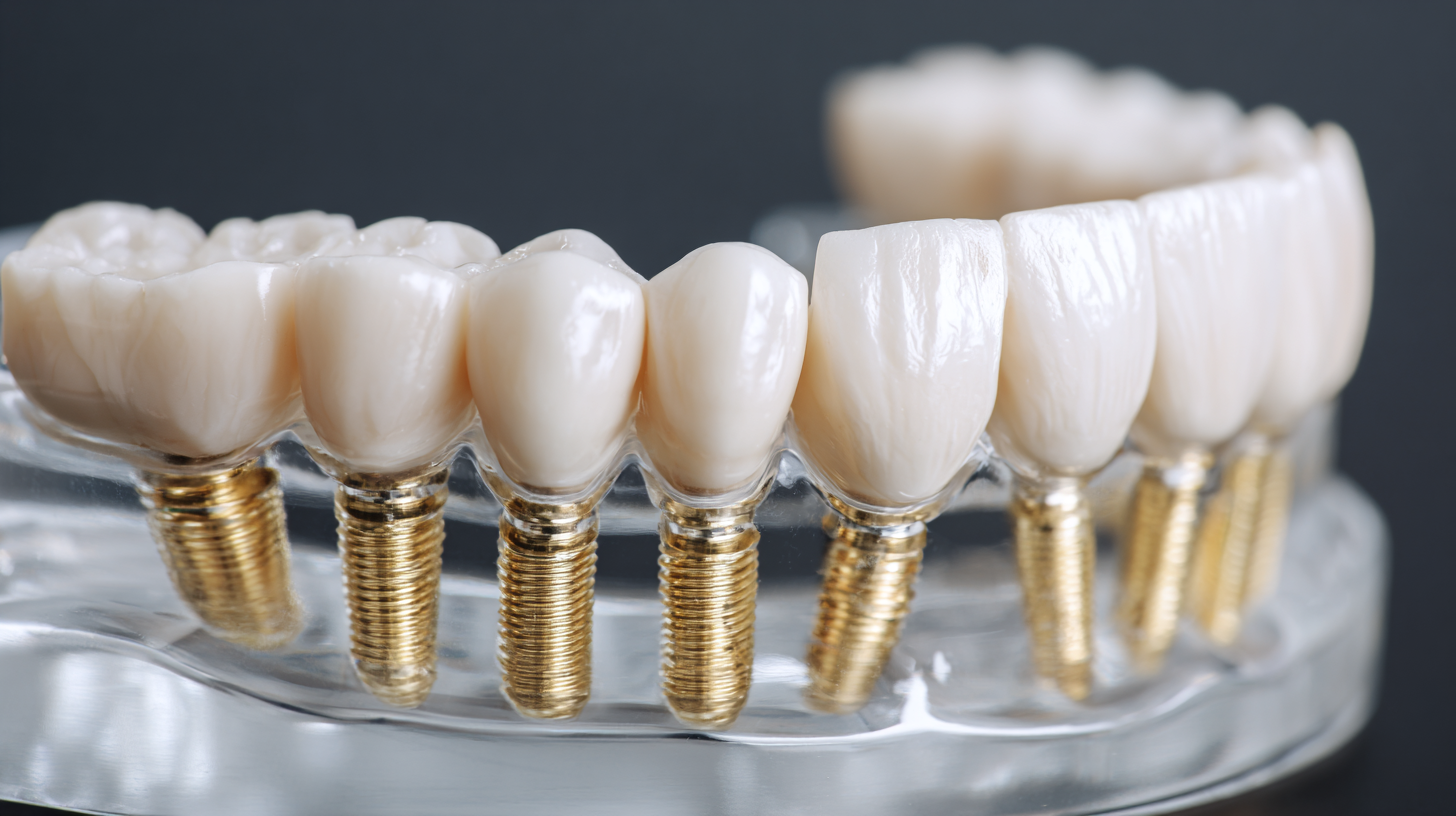 The advancement of dental implantology has significantly enhanced patient experience, particularly through the use of prefabricated abutments. According to a report by the American Academy of Implant Dentistry, the incorporation of these abutments can reduce the average time for implant placement by more than 30%. This efficiency not only expedites the surgical process but also minimizes patient discomfort associated with prolonged procedures, leading to a more satisfying treatment experience.
In addition, prefabricated abutments contribute to improved aesthetic outcomes, which is a primary concern for many patients. A study published in the Journal of Prosthetic Dentistry highlighted that the use of prefabricated components resulted in a 20% higher patient satisfaction rate regarding the appearance of the final restoration. With faster implant placement and enhanced aesthetic results, dental practitioners can provide a streamlined service that meets the growing demand for immediate and pleasing outcomes, reinforcing the importance of prefabricated abutments in modern dental practices.
Sustainability Aspects of Prefabricated Abutments in Dental Implantology
The use of prefabricated abutments in modern dental implantology presents significant sustainability advantages, reshaping the landscape of dental procedures. These abutments, often crafted from durable materials, reduce waste by minimizing the need for extensive custom fabrication processes. Their streamlined production aligns with eco-friendly practices by lowering the carbon footprint associated with manufacturing and transportation. Additionally, the longevity of prefabricated abutments means fewer replacements are necessary, further decreasing resource consumption over time.
Moreover, the technical innovation surrounding prefabricated abutments enhances peri-implant tissue management, which is crucial for achieving optimal aesthetic outcomes for patients. Recent advancements in customized Healing Abutments, particularly those made from flowable composites, illustrate how prefabricated components can be tailored to meet individual patient needs while maintaining efficient production methods. This integration of sustainability in procedural methodologies not only elevates patient satisfaction but also promotes a more environmentally responsible approach to dental care in an era increasingly focused on sustainable practices.
Exploring the Benefits of Prefabricated Abutments in Modern Dental Implantology
| Dimension | Value | Benefits | Sustainability Aspect |
| Material Strength | High | Durability and longevity in oral applications | Reduces the frequency of replacements |
| Customization Options | Varied | Improved aesthetic outcomes for patients | Less waste in production |
| Time Efficiency | Reduced | Shorter treatment timelines for patients | Lower energy consumption during procedures |
| Cost Effectiveness | Moderate | Lower overall treatment costs | Efficient use of materials |
| Patient Satisfaction | High | Improved quality of life | Sustainable practices enhance community health |
Future Trends in Prefabricated Abutment Designs and Technologies
The field of dental implantology is rapidly evolving, with prefabricated abutments gaining prominence due to their efficiency and adaptability. Future trends in prefabricated abutment designs are likely to focus on personalized solutions that cater to individual patient anatomy and clinical requirements. Innovations in digital dentistry, such as 3D printing and computer-aided design, will enable practitioners to produce custom abutments that can be precisely tailored to fit the patient's unique implant sites, enhancing both functionality and aesthetics.
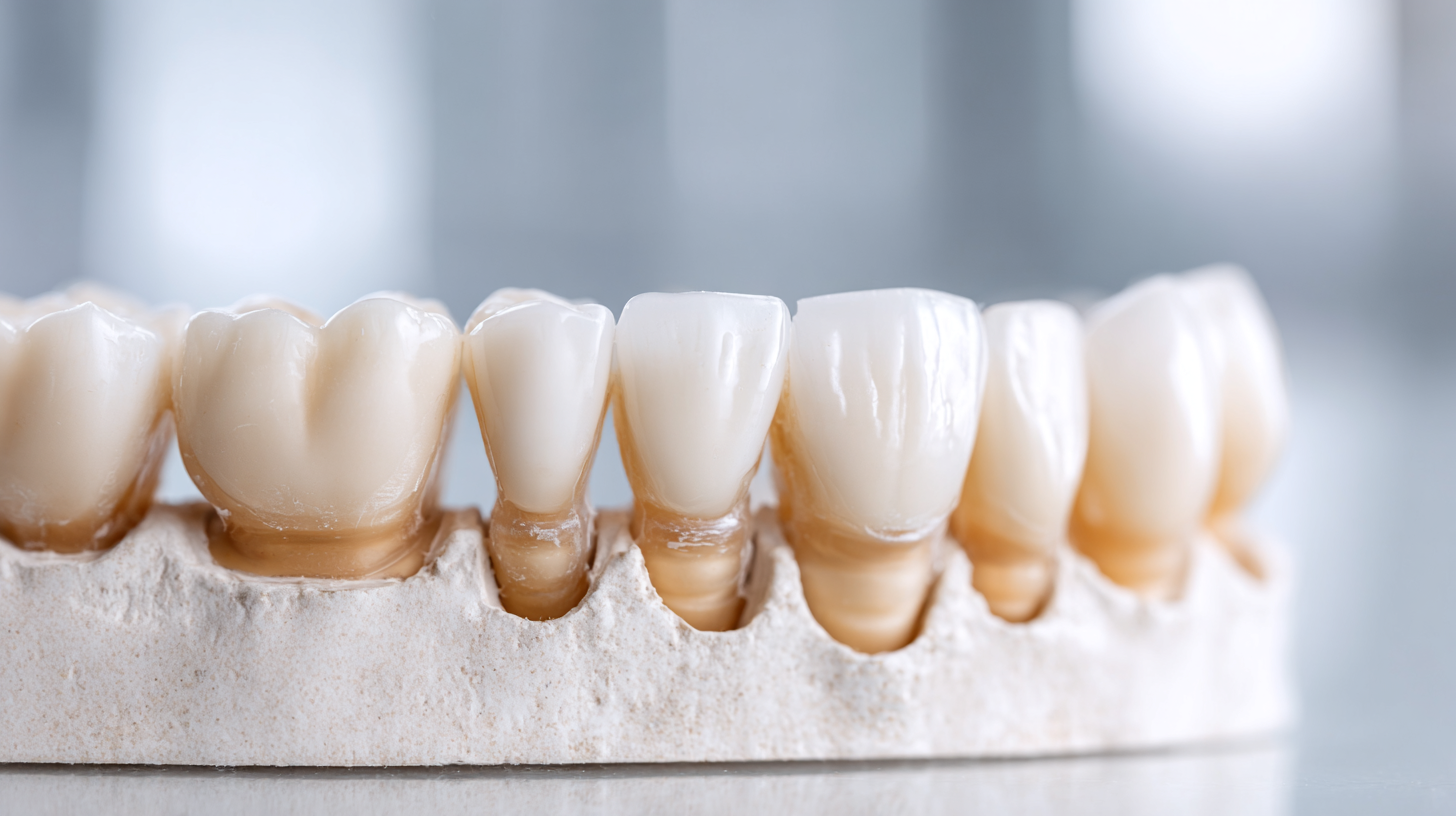
Moreover, advancements in materials science are expected to play a significant role in shaping the future of prefabricated abutments. The introduction of biocompatible materials and surface treatments will improve osseointegration and long-term stability of the implants. Additionally, the integration of smart technologies, such as sensors embedded within abutments, may provide real-time data on implant performance, allowing clinicians to monitor health outcomes more effectively. As these trends continue to develop, prefabricated abutments will likely become an essential component of modern dental practice, streamlining procedures and enhancing patient care.
FAQS
: Prefabricated abutments streamline procedures, reduce surgical time, and minimize clinical visits, leading to enhanced patient outcomes and long-term implant success.
Digital planning tools improve alignment and positioning during implant procedures, increasing predictability and efficiency from planning to execution.
These components are designed for a consistent fit and stability, which are essential for the successful integration of dental implants.
3D printing enables the creation of customized solutions with high accuracy and cost-effectiveness, transforming the manufacturing process for dental prosthetics and implants.
They reduce waste by minimizing custom fabrication needs and help lower the carbon footprint associated with manufacturing and transportation.
The efficient use of these abutments leads to quicker healing times and less discomfort, resulting in improved overall patient experiences.
Prefabricated abutments are often made from durable materials that enhance their longevity, requiring fewer replacements and conserving resources over time.
Innovations in flowable composites allow for tailored prefabricated components that meet individual patient needs while maintaining efficient production.
The synergy between prefabricated solutions and advanced technologies leads to more adaptive treatment plans, elevating standards in implantology.
The market is anticipated to grow significantly due to increasing patient demands for personalized dental care and the benefits of prefabricated options.
Conclusion
The article "Exploring the Benefits of Prefabricated Abutments in Modern Dental Implantology" highlights the significant advantages of using prefabricated abutments in dental procedures. These solutions streamline the implant process, enhancing precision and ensuring a customized fit that caters to individual patient needs. Additionally, the cost-effectiveness of prefabricated abutments allows dental practices to optimize their resources, while improving patient experiences through quicker implant placements.
Furthermore, the sustainability aspects of prefabricated abutments align with modern trends in dental practices, promoting eco-friendly solutions without compromising quality. The future of dental implantology will likely see continued advancements in prefabricated abutment designs and technologies, reinforcing their role in contemporary dentistry. At Zhejiang Trusyou Medical Instruments Co., Ltd., we are committed to integrating these innovative solutions into our comprehensive range of dental offerings, ensuring our customers receive the best in modern dental technology.