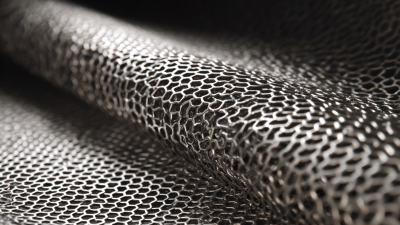
Lately, there's been a real buzz around the need for cutting-edge materials across different industries, and one of the highlights is definitely the Titanium Mesh Membrane. This stuff really stands out because of its unique properties, making it super popular among buyers worldwide. Its strength-to-weight ratio? Pretty amazing—it can handle pretty tough situations without weighing you down.
Plus, the Titanium Mesh Membrane is excellent at resisting corrosion, which is a total must in harsh environments. If you're into medical applications, you'll love that it’s biocompatible—meaning it’s safe for use in the human body. But, heads up—sourcing this material isn’t always straightforward. Not all suppliers are created equal, so quality can vary a lot.
In today's world where everyone cares about sustainability, this membrane plays a part by helping reduce waste. Its durability means it lasts a long time, which makes it a great investment for many industries. Still, if you're thinking about getting some, make sure you do your homework. Research carefully and choose trusted manufacturers—that way, you really get the most out of this incredible material.

Overview of Titanium Mesh Membrane and Its Applications
Titanium mesh membranes are gaining traction in various industries. Their lightweight nature and high tensile strength make them ideal for diverse applications. These membranes are often used in the fields of construction, aerospace, and medicine. In construction, they provide structural support without adding excessive weight. This characteristic is crucial for modern architectural designs where space and stability are vital.
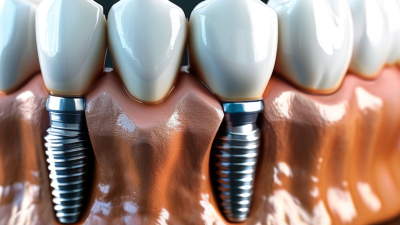
In the medical field, titanium mesh is utilized in surgical procedures. Surgeons appreciate its biocompatibility and durability. For example, it can be used in reconstructive surgeries to support bones or tissues. However, the thinness of the mesh can sometimes lead to challenges in handling. Surgeons need to be skilled in working with these materials. Their experience can significantly impact the surgical outcome.
Undoubtedly, the versatility of titanium mesh membranes is impressive. However, their cost can be a barrier. Not all projects may justify the investment. Buyers need to carefully assess their needs. The decision should be based on a thorough understanding of the material's benefits and potential drawbacks.
Enhanced Biocompatibility of Titanium Mesh Membrane
Enhanced biocompatibility is a significant advantage of titanium mesh membranes. This feature makes them highly suitable for a variety of medical applications. Surgeons often prefer materials that promote healing without rejection. Titanium's strength and lightweight nature further enhance its appeal. These characteristics reduce complications during surgery and support patient recovery.
When comparing titanium mesh membrane options, quality plays a vital role. Reputable Titanium Mesh Membrane Manufacturers ensure their products meet strict biocompatibility standards. This commitment to quality instills confidence in practitioners. A focus on thorough testing and adherence to regulations reflects the manufacturer's dedication to safety.
Despite these advantages, it is crucial to remember that personal differences in healing exist. Some patients might still experience localized reactions, even with high-quality materials. Ongoing research and development are necessary to optimize the performance of these membranes. Constant innovation can address these complexities and improve outcomes for diverse patient groups.
Lightweight Design Advantages of Titanium Mesh Membrane
The lightweight design of titanium mesh membranes offers significant advantages for various global sectors. These membranes provide strength without the bulk. Their low weight makes transportation and installation easier. This is critical for industries like aerospace and construction, where weight can impact overall performance and efficiency.
Tips: When selecting a titanium mesh membrane, consider its tensile strength. It's essential to assess the load-bearing capacity for your specific application. Using reliable suppliers ensures quality and consistency, aiding in project success.
Another noteworthy aspect is the corrosion resistance of titanium. This characteristic extends the lifespan of installations, reducing the need for replacements. It’s vital to analyze your environment. If exposure to harsh conditions is a factor, titanium mesh membranes stand out as a smart choice.
Tips: Always consult with a Titanium Mesh Membrane Manufacturer. They can provide insights into material specifications and best practices. Doing so can save time and resources on project execution. Remember, investing in quality is investing in durability.
Corrosion Resistance and Longevity of Titanium Mesh Materials
Corrosion resistance is one of the most significant advantages of titanium mesh membranes. Titanium naturally forms a protective oxide layer, which safeguards against most acids and chlorides. Reports indicate that titanium's corrosion resistance can exceed that of stainless steel by as much as 50%. This feature ensures the longevity of titanium mesh materials, even in harsh environments. For instance, marine applications benefit greatly from titanium’s ability to withstand saltwater corrosion, which often degrades other metals.
Moreover, the longevity factor plays an essential role in reducing lifecycle costs. A study found that titanium structures could last over 100 years with minimal maintenance. This durability translates to less frequent replacements, significantly lowering expenses over time. Many industries, including aerospace and medical, are increasingly opting for Wholesale Titanium Mesh Membrane solutions due to their impressive lifespan and reliability under duress. However, users should be aware of potential challenges, such as higher initial costs compared to alternatives.
While titanium mesh offers incredible benefits, quality control is paramount. Not all titanium products are created equal, and buyers must consider material grades and manufacturing standards. Engaging reputable suppliers and understanding material certifications can mitigate risks. In the end, while the advantages are compelling, informed decision-making is crucial for maximizing the benefits of titanium mesh.
Cost-Effectiveness and Value for Global Buyers
Titanium mesh membranes are gaining attention for their cost-effectiveness in various industries. According to market analysis by industry leaders, the demand for durable and lightweight materials is rising. This trend highlights the importance of titanium as an alternative to heavier metals. Additionally, the average cost of titanium materials has decreased by 15% over the last few years, making them more accessible to global buyers.
Furthermore, titanium mesh membranes offer high corrosion resistance, reducing maintenance costs significantly. Data from recent studies indicate that these membranes can last up to 30 years. For businesses, this means lower replacement costs and better long-term investments. Titanium Mesh Membrane Suppliers are providing an invaluable solution to the challenges of steel and other conventional materials.
Despite their advantages, there are concerns. Some users report difficulties in installation due to the specific handling required. Additionally, sourcing quality membranes can be an issue. These factors can limit widespread adoption. Proper supplier selection is essential for success in utilizing titanium mesh membranes effectively. Remaining informed about market trends can help buyers make better decisions.
Top 10 Benefits of Titanium Mesh Membrane for Global Buyers
Flexibility in Design and Customization of Titanium Mesh
The flexibility in design and customization of titanium mesh membranes is a significant draw for global buyers. This material allows for tailored solutions to meet diverse project requirements, particularly in medical and aerospace applications. A recent report from Markets and Markets indicates that the global titanium market is projected to grow from $4 billion in 2020 to $6 billion by 2025, with customization playing a central role in this expansion.
Titanium mesh can be engineered to various specifications, ensuring compatibility with different project needs. Its lightweight and high strength make it ideal for complex designs. Engineers can manipulate the mesh structure for specific applications, whether aiming for enhanced breathability in medical implants or increased durability in aerospace components.
However, customization can also introduce challenges. The more specialized the design, the higher the costs and complexities in manufacturing processes. Balancing innovative designs with practicality requires careful consideration. As buyers seek customized solutions, they must also weigh the trade-offs between cost and performance. Understanding these factors is crucial for making informed decisions in projects leveraging titanium mesh membranes.
Top 10 Benefits of Titanium Mesh Membrane for Global Buyers
| Benefit | Description | Applications | Customization Options |
| Lightweight | Titanium mesh membranes are significantly lighter than traditional materials. | Aerospace, automotive | Custom thickness and weave pattern |
| Corrosion Resistance | Highly resistant to corrosion, ensuring longevity and durability. | Marine applications, chemical processing | Custom coatings available |
| Biocompatibility | Safe for use in medical applications with minimal risk of rejection. | Orthopedics, Dental Implants | Custom shapes for implants |
| Strength | Remarkably strong and can withstand extreme conditions. | Construction, defense | Tailored dimensions |
| Versatility | Can be used in various industries due to its adaptable nature. | Industrial applications, architecture | Custom sizes and configurations |
| Thermal Conductivity | Excellent thermal conductivity, helpful in managing heat. | Heat exchangers, electronics | Custom mesh openings |
| Aesthetic Appeal | Modern, sleek appearance, suitable for artistic designs. | Interior design, artistry | Custom finishes |
| Ease of Fabrication | Can be easily cut, shaped, and welded. | Manufacturing, repair technologies | Custom fabricating services |
| Sustainability | Recyclable material, promoting a circular economy. | Green technologies, eco-friendly products | Custom recycling options available |
Sustainability and Environmental Considerations of Titanium Mesh Use
Titanium mesh has gained attention for its sustainability profile. The material is highly durable and corrosion-resistant, requiring less frequent replacement. According to a report from the International Journal of Engineering Research, titanium can last over 50 years without significant wear. This longevity minimizes waste, aligning with global sustainability goals.
The environmental impact during production is a concern. Titanium extraction involves mining, which disrupts ecosystems. However, advancements in recycling techniques are promising. The Titanium Association notes that recycled titanium requires only 50% of the energy used in primary production. This reduction can significantly lower carbon footprints, making the use of titanium mesh more appealing.
End-of-life management also warrants discussion. While titanium is not biodegradable, it is fully recyclable. This characteristic makes it an environmentally friendly alternative in various applications. The shift towards circular economy principles is critical. Encouraging the recycling of titanium components could pave the way for a more sustainable future. However, challenges remain in ensuring recovery and reuse on a large scale. Solutions require continued research and industry collaboration.
FAQS
: They are used in construction, aerospace, and medicine for various applications. They provide lightweight support without excess weight.
Their biocompatibility and durability make them ideal for surgical procedures, especially in reconstructive surgeries.
Not always. Their thinness can make handling challenging. Surgeons require skill and experience to work with them successfully.
Their cost can be a barrier. Not all projects may justify the investment for these materials.
Yes, they can be tailored for diverse requirements, especially in medical and aerospace applications.
Specialized designs can lead to higher costs and complex manufacturing processes. Balancing innovation and practicality is essential.
The global market for titanium is expected to grow significantly, with customization playing a crucial role in this growth.
It allows for modern architectural designs that require stability without adding excessive weight. This balance is key in construction.
No, they should also consider cost and practical aspects. Understanding trade-offs is necessary for informed decisions.
The thinness of the mesh sometimes presents handling difficulties. It requires careful planning and skilled technicians for best results.
Conclusion
The article "Top 10 Benefits of Titanium Mesh Membrane for Global Buyers" provides an insightful overview of the uses and advantages of titanium mesh membranes across various industries. Key benefits highlighted include the membrane's enhanced biocompatibility, making it an ideal choice for medical applications. Its lightweight design not only facilitates ease of use but also improves structural efficiency. Moreover, the corrosion resistance and durability of titanium mesh contribute to its longevity, making it a cost-effective solution for buyers.
Additionally, the article emphasizes the flexibility in design and customization options that titanium mesh membranes offer, allowing for tailored solutions to meet specific needs. It also addresses the sustainability aspects of using titanium, highlighting its environmentally friendly properties. Overall, the titanium mesh membrane presents a compelling case for global buyers seeking a reliable, efficient, and sustainable material for their projects.