Have you heard about full mouth Dental Implants? They're becoming really popular for folks wanting to completely restore their smile. In fact, the American Academy of Implant Dentistry says around 3 million people in the U.S. have dental implants, and that number's growing by about half a million every year. It just goes to show how much more people are turning to these kinds of solutions to get their confidence back.
Getting full mouth dental implants isn’t exactly a walk in the park, though. There are a lot of things to consider—your health, the specific technology used, and so on. Brands like Nobel Biocare and Straumann are doing some pretty cool stuff, but not every solution is right for everyone. That’s why chatting with your dentist or specialist is so important—they can help figure out what’s best for *you*.
And let’s talk about the benefits—they're pretty amazing. Better looks, improved ability to chew and speak, and yeah, a huge boost in confidence. That said, it’s not all smooth sailing. Healing times can vary from person to person, and some folks might feel a bit uncomfortable during the recovery. Still, despite these little hurdles, Full Mouth Implants are a solid option for many people eager to improve their life quality and smile with more assurance.

Understanding Full Mouth Dental Implants: An Overview of Options
Full mouth dental implants provide a transformative solution for those with missing teeth. These implants replace all teeth in the upper and lower jaws. Patients benefit from improved function and aesthetics. Knowing the options available is key to making an informed decision.
There are several types of full mouth implants. Traditional implants involve placing individual implants for each missing tooth. This method is effective but requires extensive surgery. Another option is the all-on-4 technique. Four implants support an entire arch of teeth. It’s less invasive and often completed in a day.
Tips to consider: ask about financing options. Full mouth implants can be a significant investment. Understand the long-term maintenance involved. Implants require regular check-ups and good oral hygiene. Be prepared for this commitment. Also, consider the recovery time. Each person's healing process varies. It’s important to have realistic expectations. Remember, communication with your dentist is crucial for the best outcomes.
Types of Full Mouth Dental Implants: Fixed vs. Removable Solutions
When considering full mouth dental implants, you typically face two main options: fixed and removable solutions. Fixed implants provide a more permanent solution. They are anchored in the jawbone, creating a stable foundation for replacement teeth. Many patients appreciate this stability. They can eat, speak, and smile without fear of movement. However, fixed implants may require more extensive surgery and time for recovery. A thorough assessment is necessary to evaluate jawbone health.
Removable implants, on the other hand, offer a different approach. They can be taken out for cleaning and maintenance, which some find more convenient. This type may involve less invasive surgery as well. However, they tend to rely on suction or clips, which might not provide the same security as fixed options. Some users express concerns about the possibility of slippage or discomfort during use.
Ultimately, the choice between fixed and removable implants should reflect your lifestyle and preferences. While both options offer significant benefits, reflecting on personal needs is crucial. As the demand for affordable options grows, some people explore Wholesale Full Mouth Dental Implants. This avenue warrants careful scrutiny, as the quality and longevity of the implants can vary widely.
Factors Influencing the Cost of Full Mouth Dental Implants
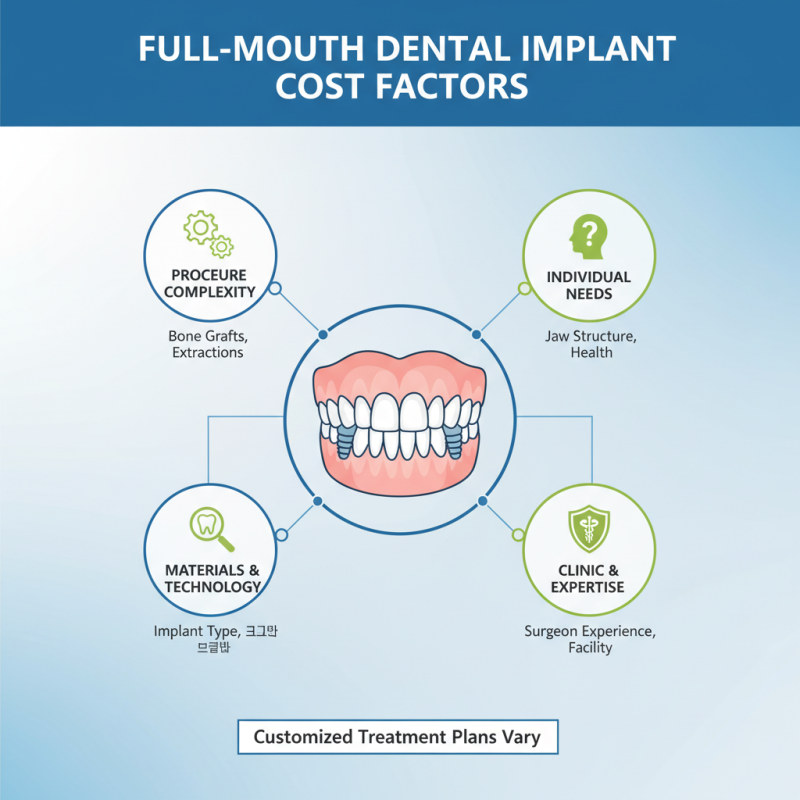
When considering full mouth dental implants, several factors can influence the overall cost. The complexity of the procedure plays a significant role. More complex cases require additional resources and expertise, which can raise expenses. For instance, if bone grafts are needed, this will add to the total. Each individual has unique needs that may increase the cost unpredictably.
Location is another crucial element affecting pricing. Dental practices in urban areas might charge more than those in rural settings. This price disparity can stem from higher operational costs in cities. Additionally, the skill level of the dental professional impacts the fee. Highly experienced specialists may demand a premium for their services, reflecting their extensive training and expertise.
Material choices also contribute significantly to the final bill. The quality of dental implants varies, influencing durability and appearance. Some materials may be more aesthetically pleasing but come at a higher cost. Patients often face a difficult decision: choose a cost-effective alternative or invest in higher-quality materials. Balancing personal budget constraints with desired outcomes can be challenging, leading to regrets later if the choices do not meet expectations.
Success Rates of Full Mouth Dental Implants: What the Data Shows
When considering full mouth dental implants, success rates are crucial. Data indicates that the overall success rate for these implants ranges from 90% to 95% within the first five years. In some studies, complications can occur, impacting long-term success. Factors such as patient health, bone density, and oral hygiene play significant roles in these outcomes.
In regions like China, full mouth dental implants are becoming increasingly popular. A recent survey found that 60% of patients reported satisfaction after five years of receiving implants. However, not all patients experience seamless results. Some may face issues like implant failure or complications during healing. These challenges highlight the importance of thorough consultations before surgery.
Moreover, many patients overlook the long-term maintenance required for implants. Regular check-ups and proper oral care are vital. Lapses in these areas can lead to complications. Thus, understanding these factors is essential for anyone considering China Full Mouth Dental Implants. Clear communication with dental professionals is a must for achieving desired results.
The Role of Bone Density in Full Mouth Implant Success
Bone density plays a crucial role in the success of full mouth dental implants. When planning for implants, dentists assess the jawbone's density. A strong bone structure ensures proper support for the implants. Studies show that patients with adequate bone density have a 90-95% success rate. This is significantly higher than in those with lower density. In patients with diminished bone mass, the options can become limited. Techniques like bone grafting may be required to enhance the jawbone's foundation. However, this can add time and cost to the procedure. A report by the American Academy of Implant Dentistry indicates that nearly 30% of adults over 65 have insufficient bone structure for implants without augmentation. Understanding individual bone health is essential. Some may be surprised to learn their bone density isn’t ideal for implants. Regular dental evaluations, including bone density scans, can help identify potential issues. This proactive approach can lead to better outcomes and less invasive solutions. Implants are a significant investment in oral health. Ignoring underlying bone health can lead to complications.
Bone Density and Its Impact on Full Mouth Dental Implants
This chart illustrates the correlation between bone density and the success rate of full mouth dental implants. Higher bone density generally leads to a higher success rate.
Choosing a Qualified Dental Professional for Full Mouth Implants
Choosing a qualified dental professional for Full Mouth Implants is crucial for a successful outcome. The process involves both skill and experience. According to the American Academy of Implant Dentistry, about 3 million people in the U.S. have dental implants. This number continues to grow. Each implant requires precision, and a well-trained dentist can make a significant difference.
Tips: Look for professional credentials. A dentist should be certified in implantology. Check their experience with Full Mouth Implants specifically. Some dentists may promote themselves with flashy claims. However, real expertise lies in their case studies. A portfolio showcasing past work is beneficial. Reviews from previous patients can offer insight.
Communication is essential. A dental professional should explain the entire process clearly. Patients should feel comfortable asking questions. The cost of Full Mouth Implants can vary widely. Transparency about fees is vital to avoid surprises. According to a survey, many patients regret not discussing costs upfront. Taking time to find the right professional is worth it. You deserve quality care that meets your needs.
Post-Operative Care and Maintenance for Full Mouth Implants
Post-operative care for full mouth dental implants is crucial for long-term success. Patients should first focus on maintaining good oral hygiene. Gentle brushing and rinsing with saltwater can alleviate discomfort. Studies show that over 50% of implant failures are linked to poor oral habits. Regular dental check-ups are vital. These visits can help catch potential issues early.
Diet also plays a key role during recovery. Soft foods are recommended initially. Avoiding hard or sticky items can prevent complications. About 30% of patients report discomfort from biting too hard on the implants before full healing. Hydration is equally important; patients should drink plenty of fluids. This simple habit can aid in faster recovery.
Finally, being aware of potential signs of trouble is essential. If swelling or severe pain persists, contacting a dentist is vital. These signs shouldn't be ignored. Understanding the need for proper maintenance can greatly impact the longevity of your implants. Research indicates that diligent care can increase implant lifespan significantly. For those considering options, exploring Wholesale Full Mouth Implants may offer a balance of cost and quality.
Best Full Mouth Dental Implants Options to Consider
| Implant Type | Success Rate | Cost Range | Post-Operative Care Tips |
| Traditional Implants | 95% | $3,000 - $4,500 each | Avoid hard foods, maintain oral hygiene |
| All-on-4 Implants | 98% | $20,000 - $30,000 for full mouth | Follow diet guidelines, regular check-ups |
| Zygomatic Implants | 90% | $15,000 - $25,000 for full mouth | Gentle cleaning, no smoking |
| Immediate Load Implants | 92% | $5,000 - $6,500 each | Wear a soft diet, ice pack for swelling |
FAQS
: The main purpose is to enhance efficiency and improve daily tasks.
It is suitable for a wide range of users, from professionals to students.
Yes, it includes user-friendly interfaces and customizable options.
Support is available through various channels, including online resources.
Troubleshooting guides are provided. Reflect on the steps you took.
A limited warranty is offered. Check the details before purchase.
With proper care, the product can last several years but varies by usage.
Many forget to read the instructions thoroughly, which can cause problems.
Yes, sharing feedback helps improve future versions. Every detail matters.
Most users find it intuitive, but some require time to adapt.
Conclusion
Full mouth dental implants are a comprehensive solution for individuals facing significant tooth loss, offering both fixed and removable options. This article provides an overview of the various types of implants available, highlighting the differences between fixed and removable solutions. It also discusses essential factors that influence the cost of these implants, along with their success rates, emphasizing the importance of bone density for optimal outcomes.
Choosing a qualified dental professional is crucial for the successful placement of full mouth dental implants, as their expertise directly impacts the procedure's effectiveness. Post-operative care and maintenance are also critical in ensuring the longevity of the implants. Overall, understanding these aspects can help patients make informed decisions about their dental health and choose the right option for their needs.