Hey there!If you’re into dentistry, you probably know how quickly things are changing in this field. Choosing the right abutment solutions for Dental Implants isn’t just a minor detail—it’s actuallysuper important for making sure everything turns out well. Funny thing is, recent reports say the global dental implant market might hit around 13.4 billion USD by 2025, growing steadily at about 7.5% each year. And a big part of this growth? The abutments – those connectors between the implant and the prosthetic device. They really are essential.
Now, speaking of innovation, Zhejiang Trusyou Medical Instruments Co., Ltd., which started back in 2012, is really leading the charge. They offer a wide variety of dental Implant Systems and digital solutions that cover all bases. Their main goal? To help dental professionals around the world pick the best abutments and improve patient results. In this blog, I’ll share a handy checklist to help practitioners choose the most suitable abutment solutions tailored to their unique needs. Hope you find it useful!
Factors to Consider When Selecting Abutment Types for Dental Implants
When you're choosing the right abutment for dental implants, there are a few key things you really want to keep in mind to make sure everything turns out well in the long run—both for the implant itself and the surrounding tissues. One major factor is the shape and design of the abutment, like how the axial wall is angled and its diameter. These aspects can actually affect how well the cemented crown stays put. Studies show that even small tweaks in the abutment’s design can seriously influence crown retention, so it’s really worth paying attention to during planning.
Also, don’t forget about the materials you pick for the abutments. Recent advancements have shown that using biocompatible materials is crucial—they not only bond better with the bone but also help lower the chances of issues like mucositis or peri-implantitis. And, with new surface treatments, like adding nanoparticles, we’re seeing some pretty promising results in boosting osseointegration and overall implant success. As this field keeps evolving, it’s important to think about more than just the mechanical parts—understanding how the biomaterials interact with the biological environment is just as vital.
So yeah, choosing the right abutment isn’t just about the mechanics; it’s a mix of design, material science, and biology all rolled into one. It’s all about making sure the implant works smoothly and stays healthy over time.
Understanding Different Materials Used in Abutment Solutions
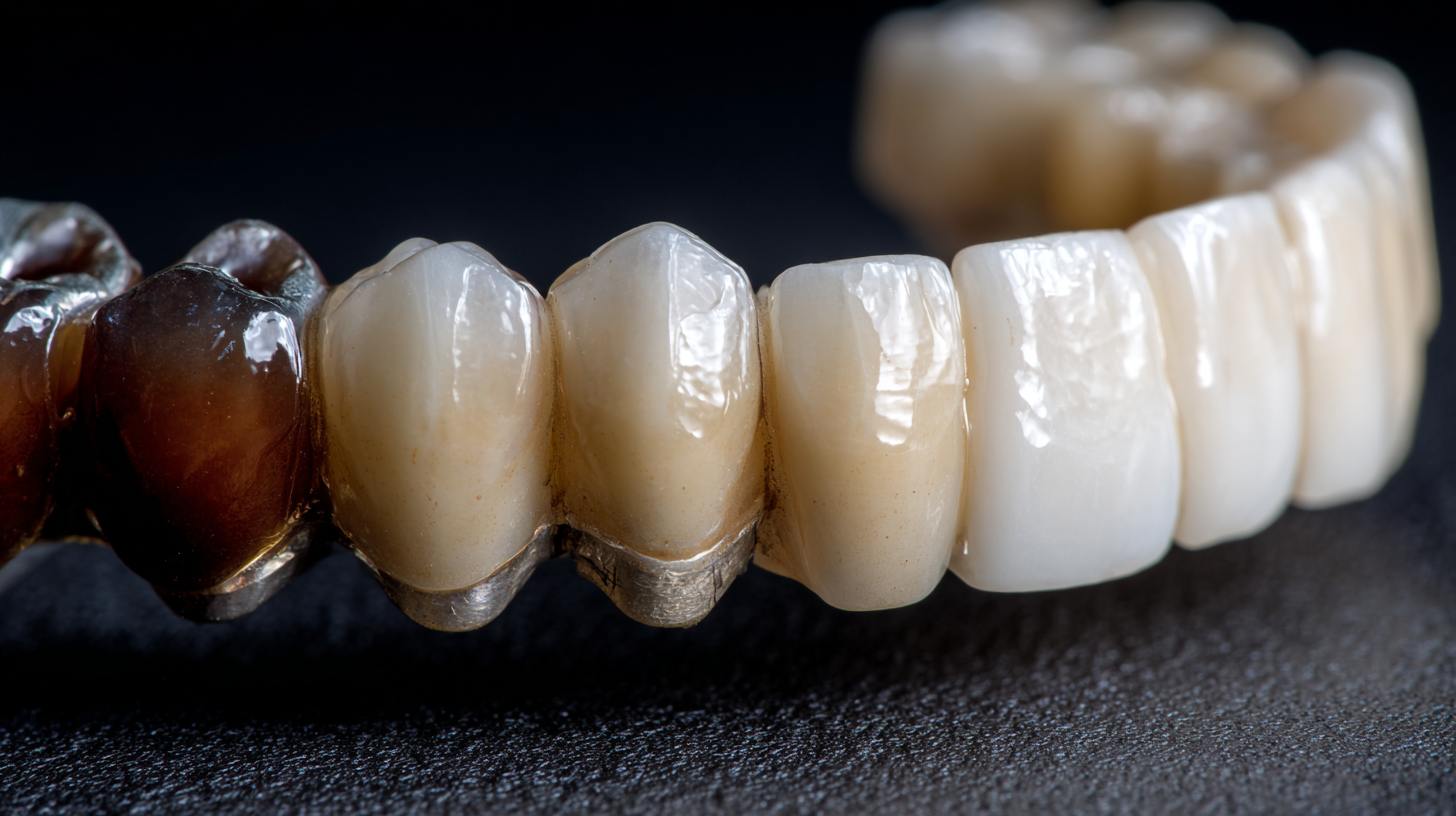
When it comes to choosing abutment solutions for dental implants, you really wanna get a good grasp of the different materials out there. It can make all the difference in the long run and in how satisfied your patients are. Typically, you'll hear about titanium, zirconia, and gold—those are the big players. So, a study from 2020 published in the International Journal of Oral Implantology pointed out that titanium still holds the top spot because it’s super biocompatible and strong as heck. On the flip side, zirconia’s been gaining ground, especially in front teeth restorations where looks really matter. In fact, a report from the Journal of Prosthetic Dentistry mentioned that patients tend to be more happy with zirconia abutments visually, giving it an average aesthetic satisfaction score around 90%—not too shabby!
Quick tip: When you're picking out materials, think about what your patient really needs. Go for titanium if it’s a tough case that demands durability. But if aesthetics are the priority, zirconia might be the way to go.
Gold’s still in the game too, mainly because of its durability and resistance to corrosion. Yeah, it can be pricier, but the good news is gold abutments tend to last a long time — like, longer than some other options. A 2021 report on dental materials noted that gold abutments had a survival rate of over 95% after 10 years in real-world cases, which is pretty impressive.
Another tip: Make sure to chat with your patients about the pros and cons of each material. Helping them understand what works best for their unique situation will always make for smarter, more satisfying choices.
Evaluating the Role of Implant System Compatibility
When it comes to picking the right abutment for dental treatments, making sure it plays well with the implant system is a big deal. Recent studies highlight just how important it is to carefully evaluate things, especially the hemocompatibility—that’s a fancy way of saying how blood-contacting materials interact with the body. Doing in vitro tests, basically lab analyses outside the body, becomes super important because they reveal how these materials behave biologically, which can really make or break the success of the procedure.
On top of that, there's been a lot of focus lately on how well soft tissue bonds with the implant. While osseointegration—the process where the bone fuses with the implant—has always been the star of the show, making sure the surrounding soft tissue also integrates properly is just as crucial for long-term stability and function. Research shows that the way an abutment is designed and chosen can significantly influence this soft tissue connection. By paying attention to both system compatibility and these biological factors, dentists can improve the chances of successful, predictable implant results. Staying up-to-date with the latest research helps clinicians make smarter choices that truly match what patients need, while also keeping up with the newest advances in the field.
The Importance of Customization in Abutment Selection
When it comes to picking out dental abutments, you really can’t overlook how important customization is. Basically, custom abutments are designed to fit each patient's unique mouth perfectly, which means a better fit and better function overall. Did you know that according to the American Academy of Implant Dentistry, over 3 million people in the U.S. have dental implants? And that number keeps climbing — about 500,000 new ones every year. With so many implants being done, it’s clear that having tailored solutions isn’t just nice to have, it’s pretty much essential.
Plus, research backs this up. There’s a study in the Journal of Prosthetic Dentistry showing that using customized abutments can cut down complications by up to 30%. Not only that, but when implant placement is precise, it looks better and patients tend to be way more satisfied. That’s a huge deal in restorative dentistry, where aesthetics and comfort matter. Offering personalized options helps make the restorations work better and also builds trust with your patients — they see you’re giving them something tailored just for them. All in all, customizing abutments really is a game-changer when it comes to getting the best results and keeping patients happy.
Clinical Considerations for Abutments in Complex Cases
When you're dealing with really complicated dental cases, picking the right abutment is super important if you want both strength and a good look. Doctors need to consider a bunch of clinical stuff, starting with the patient’s unique anatomy. Things like how dense the bone is, the health of the soft tissues, and where nearby teeth are all play a part in figuring out the best type of abutment. For example, if there's not much bone height or width, you might need to go for a more specialized abutment to give the final restoration the support it needs.
But it’s not just about the anatomy — the abutment’s function matters too. Clinicians should check how the abutment relates to the bite, making sure it can handle the chewing forces well. Sometimes, custom abutments are a better choice because they fit better and look nicer — especially when it’s front teeth where appearance is really important. Using digital tools to plan and customize abutments can make a huge difference, allowing for precise tweaks that improve both how it works and how it looks. If you think through these different factors carefully, you can make smarter decisions that lead to solid implant-supported restorations, even in those tricky cases.
Cost-Effective Strategies for Choosing Abutment Dental Solutions
When you're choosing Abutment Dental solutions, cost is definitely a big deal—it's something we all think about. The market for dental implants is really booming, growing pretty fast from about $5.11 billion in 2025 to an estimated $8.17 billion by 2032. That kinda shows how important it is to pick options that not only work well clinically but also give you good bang for your buck. Doing a proper cost-utility analysis helps dentists weigh the financial pros and cons of different choices, so they can make smarter decisions that help both their practice and their patients.
Now, using some pretty cool tech—stuff like chairside milling and 3D-printed restorations—can really cut costs in the long run and make patients happier. Bringing high-quality restorations in-house means faster service and lower overhead costs. Plus, with new innovations popping up all the time in dental restorations, staying updated on these advances is super helpful. It means you can offer the best, most affordable solutions out there. All in all, having a solid, strategic approach when picking abutment solutions will help dental practices stay competitive and successful in today's busy world.
Ultimate Checklist for Choosing the Right Abutment Dental Solutions
FAQS
: Common materials include titanium, zirconia, and gold.
Titanium is favored for its biocompatibility and strength, making it suitable for a wide range of dental applications.
Zirconia is gaining popularity for its aesthetic appeal, particularly in anterior restorations where aesthetic outcomes are crucial.
Zirconia abutments contribute to a higher satisfaction rate, with an average of 90% in aesthetic evaluations according to studies in cosmetic dentistry.
Gold abutments are durable, resistant to corrosion, and can last longer, making them a worthwhile investment for patients prioritizing longevity despite the higher cost.
Compatibility is crucial for ensuring successful integration and function of the implant, as it affects both the biological response and overall stability.
The design and choice of abutments significantly impact soft tissue integration, which is essential for long-term stability and function.
Conducting a cost-utility analysis helps practitioners assess financial efficiency, allowing them to make informed choices that benefit both their practice and patients.
Incorporating advanced technology like chairside milling and 3D printing can lower long-term costs, improve patient satisfaction, and enhance service speed.
By staying updated on advancements in dental technology and strategies for selecting abutments, practices can implement effective and economical solutions.
Conclusion
Picking the right abutment solutions for dental implants is pretty important if you want things to turn out well. When you're choosing a type of abutment, there's a lot to think about—like what materials are used, how well they work with the implant system, and whether you need something customized. Knowing your options in terms of materials can really make a difference for how long the implant lasts and how well it functions. And let’s not forget, customization can be a game-changer, especially in tricky cases where off-the-shelf solutions just don’t cut it.
Here at Zhejiang Trusyou Medical Instruments Co., Ltd., we get how crucial these factors are. Since we started back in 2012, our focus has always been on innovation and quality. We want dental pros to have access to top-notch products that meet the needs of their patients without breaking the bank. By emphasizing advanced digital solutions and dependable surgical tools, we’re all about helping dentists achieve the best possible outcomes and keep their patients happy.


