When it comes to getting Dental Implants, the type of implant you choose can really make a difference in how things turn out for the patient. Have you heard aboutAngulated Implants? They've actually become a pretty practical option, especially in more complicated cases. They offer a clever way to handle tricky anatomical situations, like when there's not a lot of bone to work with.
Honestly, though, I still see quite a few dental pros being a bit hesitant to use them. Sometimes, it’s because there’s a bit of confusion about how they’re designed or what exactly they’re meant for. That can mean missing out on some great opportunities to get better results. It’s super important for dentists to carefully think about things like the angle and placement of the implant. Taking the time to evaluate these details carefully can really help prevent complications and boost success rates.
You can see the benefits of Angulated Implants in many case studies—it’s pretty promising. But, there’s still a lot to learn. Getting a good grasp on how they work mechanically is crucial. Plus, staying up-to-date with education and gaining experience plays a big role in becoming confident with their use. At the end of the day, picking the right implant type can greatly improve patient satisfaction. Still, it’s all about continuous learning and being open to new approaches to make sure you’re doing the best for your patients.
Angulated implants are innovative solutions in dentistry. They are used to address specific challenges in dental restoration. Their design allows for better placement in the jawbone, even in challenging cases. This can lead to improved aesthetics and functionality.
Understanding the definition and purpose of angulated implants is crucial. They help ensure a proper fit for crowns and bridges, especially in cases with limited space. A common scenario involves insufficient bone density or irregular angles. Angulated implants can create a more desirable outcome by effectively navigating these obstacles.
Understanding their potential is vital, but challenges exist. While angulated implants can enhance outcomes, their placement requires skilled hands. Improper placement may lead to complications. Surgeons must consider factors such as bone quality and patient anatomy. Continuous learning and improvement in techniques are necessary for optimal results.
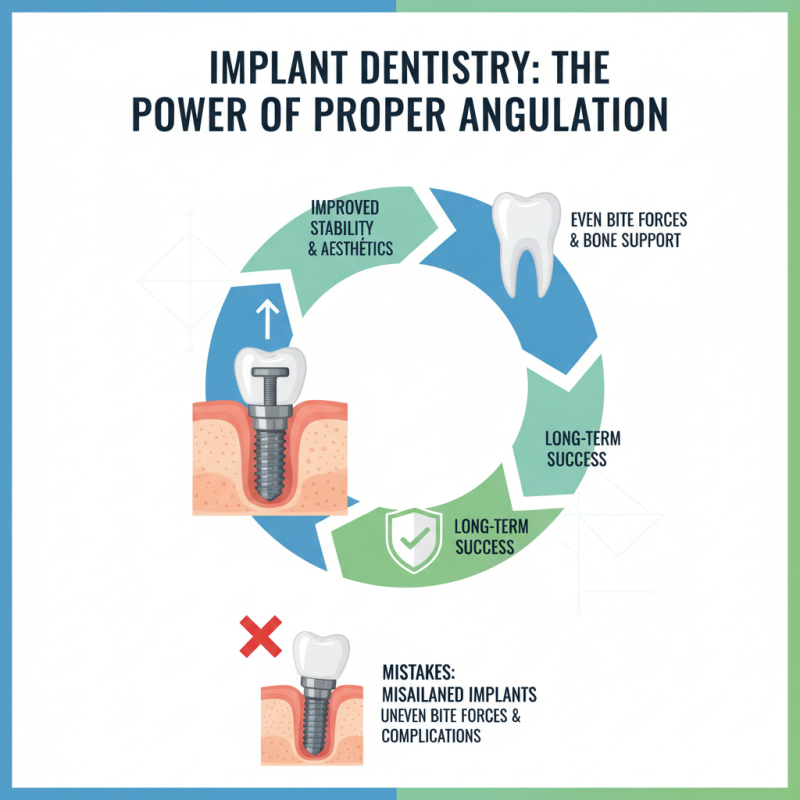
The importance of angulation in implant dentistry cannot be overstated. Proper angulation allows for better placement of dental implants, leading to improved stability and esthetics. A well-Angled Implant can support the surrounding bone better, enhancing long-term success. Dentists often face challenges with misaligned implants, which can result in uneven bite forces and potential complications.
Choosing the right angulated implants is crucial. The angle must complement the existing bone structure and neighboring teeth. Many practitioners overlook the importance of assessing these factors thoroughly. Without proper assessment, the risk of failure increases. Techniques like 3D imaging can aid in precise placement, but not all practitioners utilize this technology.
Additionally, angle adjustments may be necessary during the procedure. This can lead to momentary hesitation or second-guessing, affecting the overall outcome. Some dentists might not feel comfortable making these adjustments on the fly. It’s essential to practice adapting in real-time. Continuous education on angulation techniques is vital for improving skills in this aspect. Each case is unique, and reflection on past outcomes can guide future choices.
When selecting angulated implants, a few key factors must be considered to ensure better dental outcomes. One important aspect is the angle of the implant. Implants with a greater angulation can help avoid critical anatomical structures. Research shows that 67% of successful outcomes correlate with optimal angulation in the posterior maxilla region. This angle can significantly affect the load distribution during chewing.
Another factor is the available bone volume. Insufficient bone can complicate implant placement. In fact, studies indicate that around 30% of patients may require bone grafting prior to the procedure. Angulated implants can minimize the need for such interventions. However, the use of these implants often requires advanced surgical skills. Not every dental professional is adept at handling angulated designs, which can lead to inconsistent results. This highlights the importance of practitioner experience in achieving the desired outcomes.
The choice of materials is also crucial. Different materials can impact osseointegration. Titanium alloys, for example, are widely accepted for their strength and biocompatibility. Yet, some newer materials are gaining attention for their potential benefits. Clinicians should weigh these options carefully, as incorrect material selection could contribute to implant failure. Continuous learning and evaluation of emerging trends in implant technology are essential for improved patient care.
This bar chart illustrates the importance of various factors affecting the selection of angulated implants for optimal dental outcomes. The data reflects the percentage of dentists who prioritize each factor in their decision-making process.
When considering angulated implants, evaluating patient needs is crucial. Each patient has unique dental anatomy and requirements. Some may have limited bone structure, while others may experience aesthetic concerns. Understanding these differences helps determine the right angulated implant placement. Clinicians must closely assess each case.
In clinical situations, factors can vary significantly. A patient with a narrow ridge may require a different approach than one with excess space. It’s essential to analyze each scenario individually. Angulated implants can offer solutions but might not be suitable for every case. Sometimes, even with Wholesale Angulated Implants available, the traditional approach could work better.
Reflecting on past cases can provide insights. There might be instances where angulated implants did not meet expectations. Learning from these experiences can improve future decisions. Each choice impacts patient outcomes. A thorough evaluation fosters better results in dental practices.
When considering angulated implants, it's essential to understand their types and applications. There are several angulated implants available, each designed for specific clinical situations. The most common types include angled implants, offset implants, and multi-directional implants. These implants allow for optimal placement even in challenging anatomical situations. For instance, a patient with limited bone may benefit from an angled implant to ensure proper alignment.
Tips: Always assess the patient's bone quality before choosing an implant type. This can guide you in selecting the correct angle and length. Different angulations may affect the stability and longevity of the implant. Evaluate previous cases and learn from complications.
China Angulated Implants have gained popularity due to their innovative designs. They can be used in various applications, such as posterior maxilla restoration or when the mesiodistal space is limited. It's crucial to match the implant type with the specific need of the case. Unforeseen challenges may arise, such as improper angulation leading to complications. Regularly review your techniques to improve outcomes.
When placing angulated implants, precision is key. Using the right techniques ensures better dental outcomes. It's essential to evaluate the patient's anatomy before proceeding. Understanding bone density and angulation helps in deciding the optimal implant position.
Communication with the patient matters too. Clear discussion about expectations can lead to better cooperation during the procedure. For successful placement, use guides or templates. They can help in achieving the desired angulation. Additionally, an Angulated Abutment might be required for a proper esthetic outcome.
Tips to improve placement success include using a surgical stent. This will lead to more accurate drilling. Also, consider the implant length and diameter carefully. Overestimation can cause complications later. Lastly, reflect on the procedure. Each case is unique. Learning from experiences will enhance future results.
| Implant Type | Angulation Degree | Recommended Bone Density | Success Rate (%) | Key Considerations |
|---|---|---|---|---|
| Standard Angulated Implant | 15° | Type II | 95 | Ensure proper alignment with adjacent teeth. |
| Wide Platform Angulated Implant | 25° | Type III | 92 | Ideal for limited space environments. |
| Short Angulated Implant | 35° | Type IV | 89 | Requires careful planning due to limited bone height. |
| Customized Angulated Implant | 45° | Type I | 97 | Tailored to individual anatomical needs. |
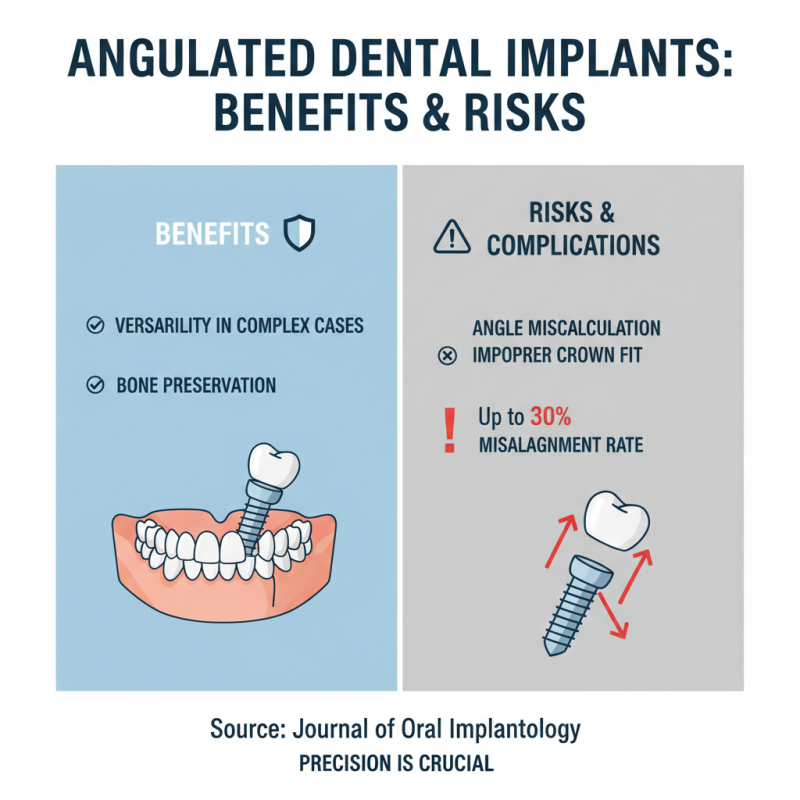
The use of angulated implants has gained traction due to their versatility in complex cases. However, they come with potential risks and complications that practitioners must consider. Angle miscalculations can lead to improper crown fitting, compromising the restoration's integrity. According to a study published in the Journal of Oral Implantology, misalignment rates can reach up to 30% in cases with angulated implants. This highlights the importance of precision in placement.
Infection is another significant risk associated with angulated implants. The angulation can create difficult-to-clean surfaces, allowing plaque accumulation. A study indicates that patients with angulated implants report higher instances of peri-implantitis compared to those with standard implants. Regular follow-ups and maintenance are crucial in these cases. Notably, effective communication with patients about the care needed post-placement is vital.
The choice of materials is also key. Some Angulated Abutment Manufacturers focus on aesthetics but may compromise durability. A material that looks good initially may lead to failures over time. Continuous evaluation of implant designs and materials is essential. Factors like bone density and individual anatomy require careful reflection. This ensures that we balance aesthetic desires with functional longevity in our choice of angulated implants.
: It enhances daily efficiency. Many users report saving time.
Follow the user guidelines. Misuse may lead to unsatisfactory results.
Some users experience mild discomfort. It is advisable to monitor your reaction.
Sharing is discouraged. Different individuals may have varying reactions.
Assess your specific needs. Consider your lifestyle and preferences.
Seek support through customer service. They can provide useful insights.
Angulated implants play a crucial role in modern dentistry, offering solutions for challenging anatomical situations where traditional implants may not be viable. Understanding the definition and purpose of these implants is essential for dental practitioners, as the angulation directly affects the outcome of the procedure. Key factors to consider include patient-specific needs, clinical situations, and various types of angulated implants available for specific applications.
Proper evaluation of a patient’s condition and the techniques employed during placement are vital to achieving successful results. However, practitioners must also be aware of potential risks and complications associated with angulated implants. By carefully assessing these elements, dental professionals can enhance treatment efficacy and ensure optimal dental outcomes for their patients.