Inquiry
Form loading...
0%

Choosing the right Angulated Implants is a pretty important decision when it comes to dental restoration. They can really make a difference in patient outcomes, you know? These implants have a special design that allows for better angles, especially in tricky dental cases. In today's dental world, having that kind of flexibility is a game-changer — it helps us get around complicated anatomical areas more easily. But here's the thing: picking the wrong type can cause a whole bunch of issues down the line, so clinicians need to assess each case with care to make sure the placement is spot on.

There are quite a few brands out there offering different kinds of angulated implants, but not all of them are suitable for every patient or situation. So, it’s really important to consider each case individually. Looking back on past experiences can often help guide us in making better choices next time. Weighing the pros and cons of each option can lead to smarter, more effective dental solutions overall.
How to Choose Angulated Implants for Optimal Dental Solutions?

Understanding Angulated Implants and Their Advantages in Dentistry

Angulated implants have become a game-changer in modern dentistry. They allow for optimal positioning even in challenging anatomical situations. Traditional implants often require extensive bone augmentation or grafting procedures. Data suggests that over 15% of patients may need additional surgeries to accommodate non-angulated implants.

With angulated implants, the angle of placement can be adjusted without compromising strength. This flexibility helps maintain bone integrity. According to a recent study, angulated implants show a success rate of over 95% in specific cases. This is significantly higher than traditional methods that often fall around 90%.

However, not every dentist is familiar with the benefits these implants offer. Many still rely on older techniques. There’s a learning curve involved in mastering angulated placements. Yet, the potential rewards are substantial. Patients often experience reduced recovery times and less discomfort. Embracing this innovation may require some risk. But the potential for better outcomes should not be overlooked.

Key Factors Influencing the Selection of Angulated Implants

When selecting angulated implants, several key factors come into play. The patient's bone quality is crucial. For instance, softer bone may require specific approaches to ensure stability. Additionally, the location of the implant matters significantly. Angulation can help avoid vital structures, like nerves, ensuring a safer procedure.

Another factor is aesthetic outcome. Angulated implants can improve the alignment of teeth in challenging areas. For anterior teeth, proper angulation helps achieve a natural look. On the other hand, complications may arise if the angles are not well-planned. Misalignment could lead to functional issues later on.

The experience of the dental professional is also pivotal. A skilled dentist can assess multiple variables during the implant placement. Sometimes, an experienced clinician might opt for a non-standard approach, creating uncertainties. Yet, this adaptability can lead to better solutions, although it requires careful consideration. These elements collectively shape the decision-making process for optimal dental solutions.

Clinical Indications for Utilizing Angulated Implants in Dental Procedures

When considering angulated implants, clinical indications are key. Angulated implants are essential in situations where traditional implant placement is difficult due to anatomical limitations. A study indicated that up to 25% of patients have insufficient bone volume in critical areas. This can lead to complications with standard implant techniques.

In cases of severe bone resorption, angulated implants allow for a better angle, improving the chances of successful osseointegration. For instance, Zitzmann et al. (2017) reported a 92% success rate with angulated implants in environments where bone grafting was not feasible. However, not all clinicians feel confident in placing these implants. Some express concerns regarding mechanical complications over time.

Another clinical scenario includes the posterior maxilla, where sinus proximity can hinder treatment. Angulated implants can help avoid sinus structures and maintain a favorable surgical outcome. Despite these advantages, clinicians must evaluate the long-term maintenance of these implants. Clinical guidelines suggest monitoring patients more closely, especially in the first five years post-placement. Inclusion of angulated implants in treatment plans may require additional training for optimal results, making ongoing education necessary for dental professionals.

How to Choose Angulated Implants for Optimal Dental Solutions?

Indication Implant Type Angle of Inclination Bone Density Recommended Clinical Outcome
Posterior Maxilla with Sinus Lift Angulated Implant 30° - 45° Low to Medium Successful bone integration and restoration
Narrow Ridge Short Angulated Implant 15° - 30° Medium to High Optimal aesthetic results
Implant Failure or Lack of Space Angulated Screw Vent Implant 20° - 35° Medium Restoration of occlusion and function
Implants Adjacent to Existing Teeth Angulated EDK Implant 25° High Improved alignment and aesthetics

Comparative Analysis of Angulated vs. Straight Implants: Success Rates

How to Choose Angulated Implants for Optimal Dental Solutions?

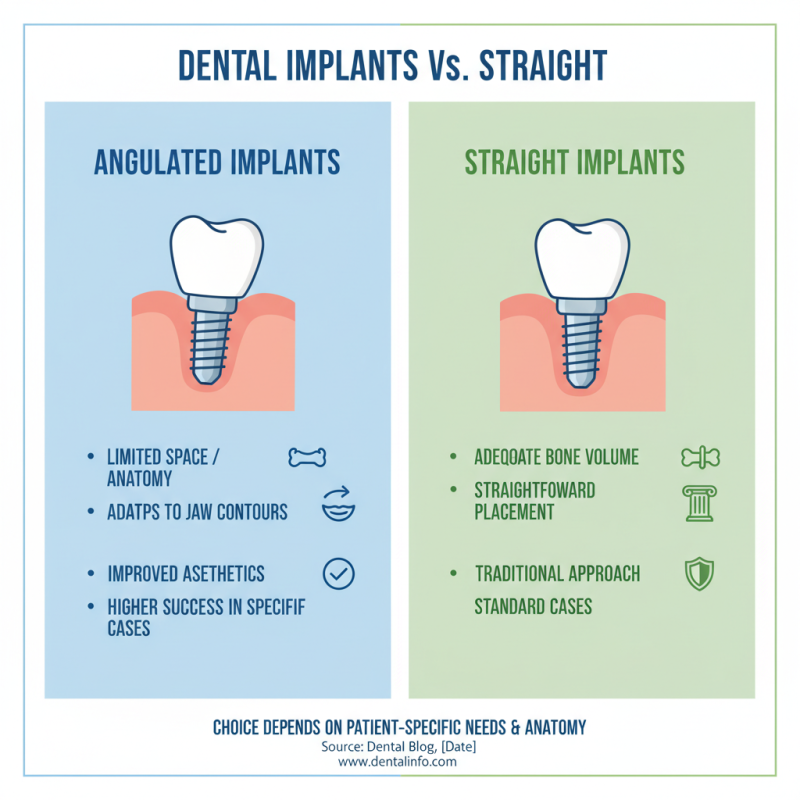
When considering Dental Implants, the choice between angulated and straight implants can be pivotal. Success rates vary based on functionality and placement. Angulated implants may be a better fit for cases with limited space or complex anatomical considerations. These implants allow for better adaptation to the jaw's contours, which can improve overall aesthetics.

However, the success rate of angulated implants is not without debate. Some studies suggest they might have a slightly lower success rate compared to straight implants due to potential stress distributions. This can lead to complications over time. Each patient's specific needs should guide the decision-making process.

It's crucial to assess the individual case thoroughly. Have there been any previous failures? What are the bone conditions? Evaluating these factors can shine a light on the best options. While angulated implants offer flexibility, their long-term stability may require additional scrutiny. Balancing these considerations can lead to more optimal outcomes in dental restoration.

Technical Considerations for Angulated Implant Placement and Angles

When considering angulated implants, placement angles are critical. Proper alignment can lead to improved aesthetics and functionality. The ideal angle often depends on the specific anatomical features of the patient’s jaw. For instance, inadequate bone width might necessitate a more aggressive angulation. However, this can complicate the placement process.

Using a 30-degree angle may enhance stability for certain posterior restorations. It allows for better access and visibility during surgery. Care must be taken to avoid damaging adjacent roots or structures. Not all cases suit this approach, and dental professionals should evaluate each patient individually. Reflecting on previous cases can help identify potential pitfalls. Sometimes, what seems like the best angle can lead to complications later.

It's essential to balance clinical outcomes with the art of implantology. Angulation should not solely focus on immediate results. Long-term success also hinges on patient comfort and oral health. Continued education and practice are necessary. Bottom line: choosing the right angle is as much an art as it is a science.

Case Studies Highlighting Success with Angulated Implants

How to Choose Angulated Implants for Optimal Dental Solutions?

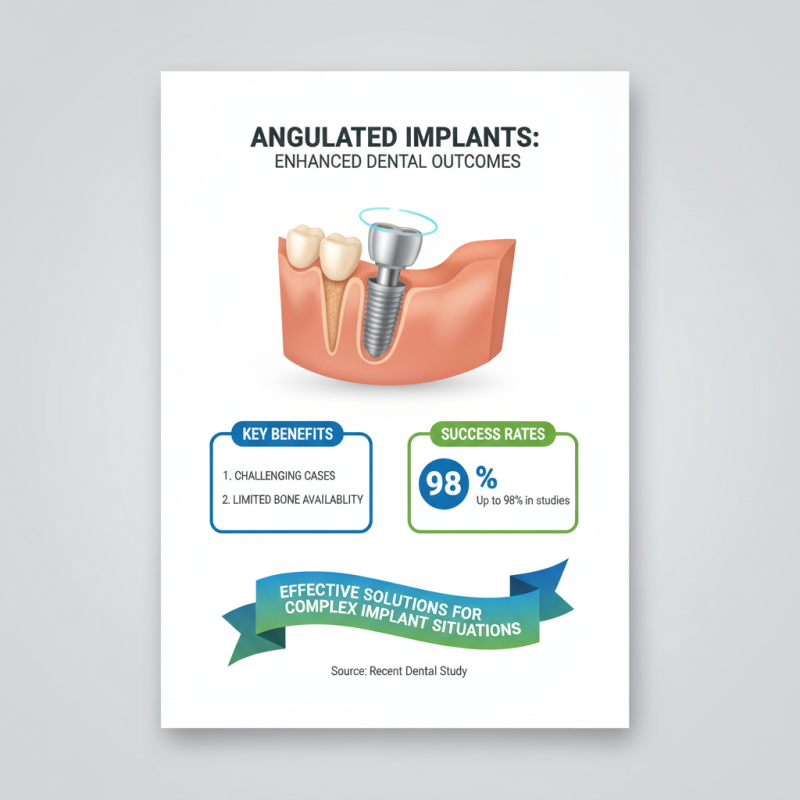
Angulated implants have gained attention in the dental field for their ability to enhance outcomes in challenging cases. A recent study reported success rates of up to 98% with angulated implants, particularly in sites with limited bone availability. Dentists are increasingly turning to these solutions to effectively address complex implant situations.

In one case study, a patient presented with severe bone resorption. The use of angulated implants allowed for optimal placement without the need for extensive grafting. This approach not only minimized surgical time but also improved aesthetic results. Another case highlighted a patient with a tilted maxillary sinus. Angulated implants successfully restored function and aesthetics, demonstrating their versatility in diverse scenarios.

**Tip:** Evaluate bone density before deciding on angulated implants. A cone beam CT scan can provide valuable insights.

**Tip:** Communicate with your patient about potential drawbacks. Not every case may benefit equally from angulated implants, and discussing risks can lead to better outcomes.

It's essential to keep in mind that while angulated implants show promise, their use is not devoid of challenges. Improper placement can lead to complications. Surgeons must continuously refine their skills in this evolving area to ensure optimal results.

Future Trends in Angulated Implant Technology and Patient Outcomes

Angulated implants are revolutionizing dental solutions. These implants allow for better placement in challenging anatomical scenarios. They can enhance esthetics and functionality for patients. As we look to the future, advanced technology will play a crucial role in improving outcomes.

Tips:
Consider using a digital workflow for planning. This approach can help in visualizing the best implant placement. Engage with 3D imaging tools; they can provide detailed insights.

Patient outcomes will likely improve with these advancements. However, it’s important to reflect on potential complications. Each case is unique, and clinicians must evaluate the patient's specific needs. Continuously adapt techniques based on patient feedback and results. The aim is always to ensure optimal comfort and satisfaction.

Future Trends in Angulated Implant Technology and Patient Outcomes

FAQS

: What are the main benefits of this product?

: It helps improve efficiency. Users report time savings. It also enhances overall productivity.

How is the installation process?

Installation is relatively straightforward. However, some users need extra assistance. Patience is key during setup.

Can I customize the features?

Yes, there are options for customization. Users can adjust settings based on individual needs. This may require some trial and error.

What are common issues encountered?

Some users face technical glitches. Connectivity problems are often mentioned. A few tweaks usually fix these issues.

Is support available for troubleshooting?

Yes, support is offered. However, response times can vary. Be aware that resolution might take longer than expected.

How often should I maintain the product?

Regular maintenance is recommended. Users should check components periodically. Neglecting this may lead to bigger problems later.

Conclusion

Angulated implants have emerged as a vital solution in modern dentistry, offering significant advantages for patients requiring dental restoration. Understanding the key factors that influence the selection of angulated implants is essential, as they are often indicated in cases where traditional implants may not be viable. A thorough comparative analysis reveals that angulated implants can achieve comparable, and sometimes superior, success rates to straight implants depending on clinical scenarios.

The technical considerations surrounding the placement of angulated implants are critical, as the correct angles can enhance stability and aesthetics. Case studies highlight the effectiveness of angulated implants in diverse situations, showcasing successful outcomes that improve patient satisfaction. As technology continues to advance, the future trends in angulated implant design promise to refine techniques further and enhance patient outcomes, solidifying their role in dental solutions.

Aria

Aria

Aria is a dedicated marketing professional at Zhejiang Zhuoshiyou Medical Equipment Co., Ltd., where she leverages her extensive knowledge of the company's products to drive effective communication and engagement. With a strong background in medical technology, Aria possesses a deep understanding......
Previous Global Insights on Full Mouth Dental Implants Market Trends for 2025