Inquiry
Form loading...
0%

In the world of orthopedic surgery, picking the right Bone Substitutes can really make a difference in how well a patient recovers. There are so many options out there, each made for different types of cases, so it’s pretty important to understand what makes each one special.

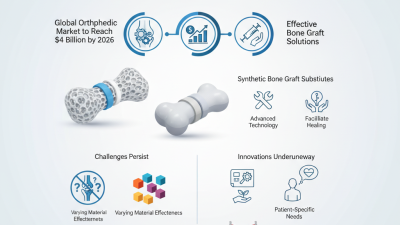
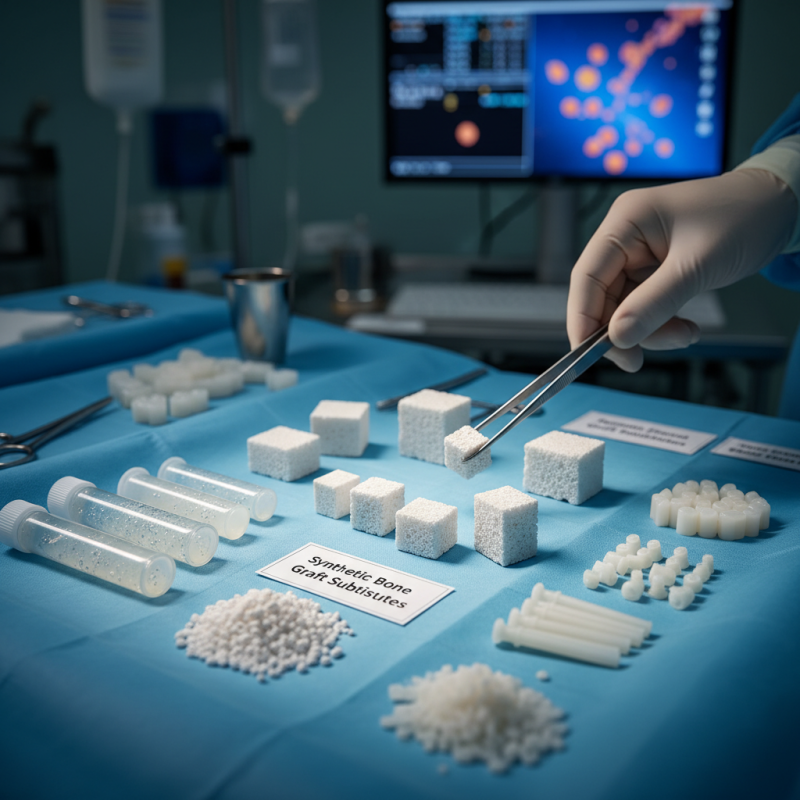
You might have heard a lot about Synthetic Bone Graft Substitutes — they’ve become pretty popular lately because they tend to be pretty consistent and reliable. But not all bone substitutes are made equal. Some might not be really biocompatible, or they just don’t help the bone heal as well as you’d hope.

Figuring out the best choice isn’t just a quick decision, though. You’ve gotta weigh a few things—like what kind of injury it is, the patient’s overall health, and the specific properties of the material. It's always smart to chat with experts and take a look at clinical studies before making a final call. After all, the right choice can really boost healing, whereas the wrong one might do more harm than good.

When you’re selecting a bone substitute, knowing your stuff truly matters. The right product can be a game-changer for recovery, but it’s easy to overlook these details. Taking the time to reflect on all this is super important, especially for healthcare pros aiming for the best patient outcomes.
How to Choose the Best Bone Substitutes for Your Needs?

Understanding Bone Substitutes: Definition and Types

Bone substitutes are essential in orthopedic surgery and dental applications. They promote healing and provide structural support. Understanding the types can make a significant difference in the outcome of procedures.

The common types of bone substitutes include autografts, allografts, and synthetic materials. Autografts use the patient's bone, promoting better integration. However, they require an additional surgical site, which can increase recovery time. Allografts come from donors, which simplifies the process but carries a risk of disease transmission. It’s crucial to trust the source and ensure thorough screening. Synthetic substitutes, often made from materials like calcium phosphate, offer versatility. These materials can mimic bone properties but may vary in their effectiveness.

Choosing the best option involves assessing the specific clinical situation and patient needs. Many factors come into play, including the type of surgery, the location of the defect, and the patient's health. Consulting with a specialist is vital. It helps navigate the complexities of each choice. Ultimately, understanding these substitutes can lead to more successful outcomes in bone repair.

Evaluating Your Specific Bone Healing Needs

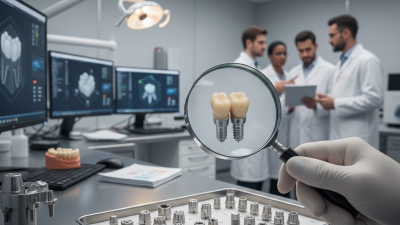
When evaluating your specific bone healing needs, it’s essential to understand the available options. Bone Substitutes In Dentistry vary widely, each designed to address distinct situations. For example, synthetic grafts can provide predictable results for routine procedures. Meanwhile, natural grafts may offer superior biocompatibility.

Consider the location and extent of bone loss. A study by the American Academy of Oral and Maxillofacial Surgeons revealed that up to 50% of patients experience inadequate bone volume for implants. Proper selection can influence healing outcomes drastically. Analyze patient history, bone density, and the desired timeline for recovery before making a decision.

Tips: Consult with a dental specialist to assess your specific needs. Gather information on the types of grafts proposed. This will help make informed choices.

Moreover, it’s crucial to reflect on potential complications. Not all substitutes integrate seamlessly with the body. Research indicates that about 10% of patients may face rejection. Therefore, discussing both options and risks with a professional will ensure that you are prepared for any eventuality. Understanding these factors enhances treatment success and patient satisfaction.

Comparing Synthetic vs. Natural Bone Substitutes

When choosing between synthetic and natural bone substitutes, understanding their differences is crucial. Synthetic substitutes, like hydroxyapatite and bioglass, often provide consistent properties. These materials can be manufactured to specific standards, ensuring predictable outcomes. Reports indicate that synthetic options can yield lower rates of complications and are often sterile. They support healing but may lack biological integration for some patients.

Natural bone substitutes, such as demineralized bone matrix and allografts, possess inherent bioactivity. They encourage cellular growth and have a lower risk of rejection. However, natural options can vary significantly in quality and composition depending on the source. Studies show that around 20% of natural grafts may lead to inconsistent results. This variability can complicate the healing process and recovery timeline.

Tips: Always consult with a professional to evaluate your specific situation. Consider your recovery goals when choosing a substitute. Not all options work the same for everyone. Personalized treatment is essential. The right bone substitute can impact healing outcomes significantly.

Comparison of Synthetic and Natural Bone Substitutes

Assessing Biocompatibility and Biological Integration

How to Choose the Best Bone Substitutes for Your Needs?

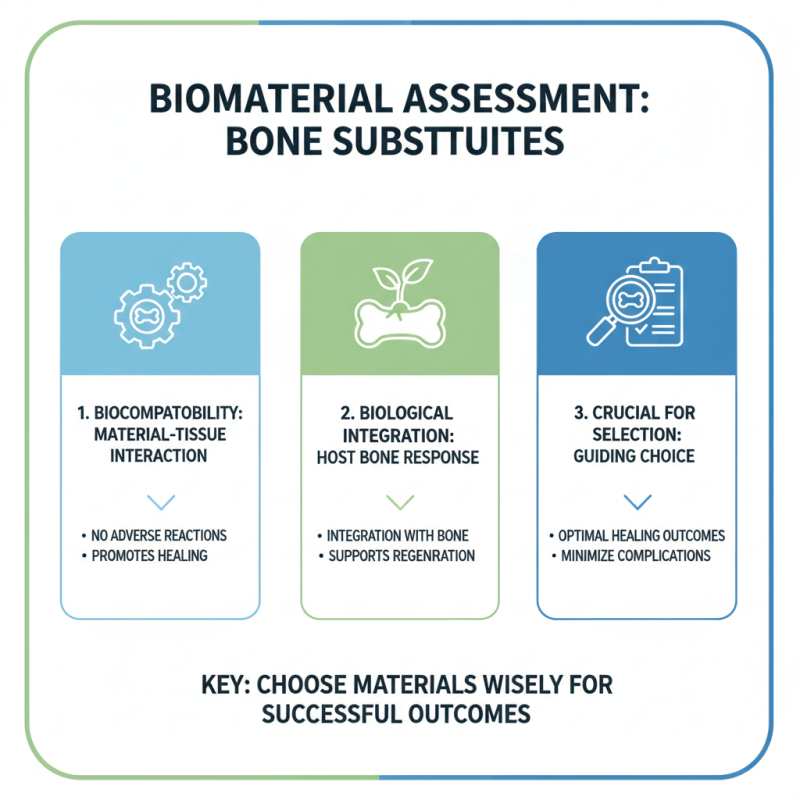
Assessing biocompatibility is crucial when choosing Bone Substitutes. Biocompatibility refers to how well a material interacts with surrounding tissues. A suitable substitute should not provoke an adverse reaction. It must promote healing and integration with the host bone. Understanding the biological response to these materials can guide your selection.

Different bone substitutes exhibit varying degrees of biological integration. Some materials encourage new bone growth while others may not bond effectively. It’s essential to consider factors like porosity and surface properties. A porous structure can enhance cell infiltration and nutrient exchange. Observations in clinical settings reveal that some substitutes result in better healing outcomes. However, some may lead to complications or slower recovery.

Evaluating pre-clinical studies can provide valuable insights. These studies often reveal how well a material performs under biological conditions. It’s a complex decision-making process, influenced by patient needs and specific conditions. The ideal choice may involve trade-offs, as no single material suits every scenario. Therefore, careful assessment and consultation with experts remain paramount in the selection of bone substitutes.

Analyzing Cost and Availability of Bone Substitute Options

When selecting the best bone substitutes, cost and availability are crucial factors. Various options, like synthetic materials, bioactive glass, and demineralized bone matrix, all have different price points. It’s essential to understand that cheaper alternatives may lack the quality or effectiveness needed for certain conditions. Prices can vary significantly based on the supplier and geographic location, making research imperative.

Tips: Compare multiple suppliers to find competitive pricing. Look into bulk purchasing options if your needs are substantial.

For long-term success, consider the reliability of the material. Some bone substitutes may not integrate well with the body. This can lead to complications, requiring further interventions. Availability is another key aspect; not all substitutes are accessible in every region. Some may require special ordering, which can delay treatment.

Tips: Always check local availability before making a decision. Consult with healthcare providers who are familiar with your specific needs to guide your choices effectively.

Considering Regulatory Approvals and Clinical Evidence

How to Choose the Best Bone Substitutes for Your Needs?

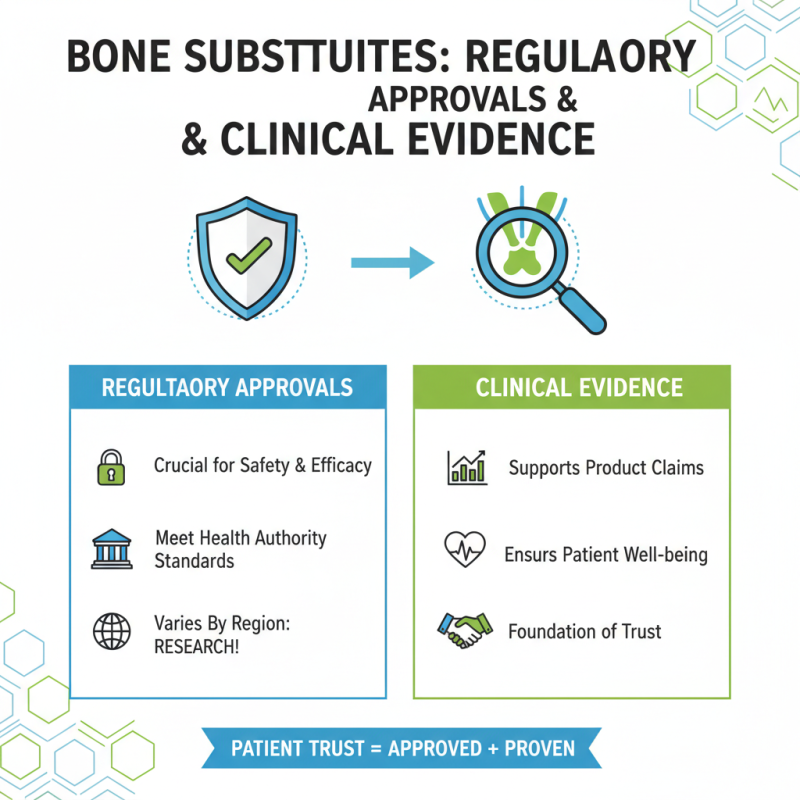
When considering bone substitutes, regulatory approvals play a crucial role. Products need to meet stringent standards set by health authorities. This ensures they are safe and effective. Each region may have different requirements. It's essential to research these regulations thoroughly. Patients rely on these approvals for their well-being.

Clinical evidence must also be evaluated. Look for scientific studies showcasing the performance of different substitutes. Trusted journals often publish this data. However, not all products have extensive evidence. Some may only have preliminary data, raising questions about their reliability. Synthetic Bone Graft Substitutes Manufacturers often strive for extensive research. Still, potential users should ask for specific studies or outcomes. This information can guide your decision-making process.

Finally, understanding both regulatory and clinical perspectives can be challenging. There are many materials to sift through. Sometimes, the data can be overwhelming. Connecting with healthcare professionals can aid in navigation. Their insights can clarify the complexities of choosing the right substitute. Be open to questions and discussions to ensure a well-informed choice.

Consulting with Healthcare Professionals for Best Choices

Choosing the right bone substitute is crucial for successful surgical outcomes. Consulting with healthcare professionals is a vital step. They can provide personalized advice based on your specific condition and needs. A thorough assessment often highlights the most effective options tailored to your situation.

When discussing choices with your doctor, clarify your concerns. Ask about the differences between various substitutes. Some may perform better for specific bones or conditions. Reliable insights can help you understand which substitutes offer the best longevity and stability.

Tips for making informed decisions include seeking second opinions. Engaging multiple professionals broadens your perspective. Researching reputable sources, including insights from Synthetic Bone Graft Substitutes Manufacturers, enhances your knowledge. Understand potential risks and benefits associated with each option. No single solution fits all; personalization is key.

How to Choose the Best Bone Substitutes for Your Needs? - Consulting with Healthcare Professionals for Best Choices

Bone Substitute Type Composition Indications Advantages Disadvantages
Ceramic-Based Substitutes Hydroxyapatite, tricalcium phosphate Bone defects, Dental Implants Biocompatible, promotes bone growth Brittle, may lack mechanical strength
Natural Bone Grafts Allograft or autograft Bone regeneration, complex fractures Excellent integration, good scaffold Limited availability, risk of disease transmission
Synthetic Polymers Polycaprolactone, polylactic acid Fractures, osteochondral defects Flexible, customizable shape Degradation products may cause inflammation
Composite Materials Hydroxyapatite mixed with polymers Bone defects, load-bearing applications Good mechanical properties, promotes healing Complex manufacturing process

Enhancing Plant Health: The Benefits of High-Quality Bone Meal Fertilizer for Optimal Growth and Nutrition

High-quality bone meal fertilizer has gained significant attention in the realm of plant nutrition and health. It is derived from animal bones and is rich in essential nutrients such as phosphorus and calcium, which are crucial for optimal plant growth. The slow-release nature of bone meal allows plants to absorb these nutrients gradually, ensuring that they receive sustenance over an extended period. This not only supports robust root development but also enhances the overall health of the plant, making it more resilient to environmental stressors.

Moreover, the incorporation of bone meal into soil promotes improved microbial activity, contributing to a more fertile growing environment. The nutrients present in bone meal encourage beneficial microorganisms that aid in nutrient breakdown and availability, leading to healthier plants with improved growth rates and yields. As gardens and landscapes strive for sustainable practices, the use of organic fertilizers like bone meal reflects a growing understanding of plant biology and the importance of nurturing ecosystems. By enhancing soil quality and plant health, bone meal helps gardeners achieve a thriving and vibrant garden.

FAQS

: What is biocompatibility in bone substitutes?

: Biocompatibility measures how well a material interacts with tissues. It should not cause adverse reactions.

Why is the biological integration of bone substitutes important?

Biological integration promotes healing and proper bonding with host bone. It can impact recovery times.

How do porosity and surface properties affect bone substitutes?

A porous structure enhances cell access and nutrient exchange. This can lead to better healing outcomes.

What should I consider about the cost of bone substitutes?

Costs vary widely among materials. Cheaper options may lack quality and effectiveness for specific conditions.

How can availability impact my choice of bone substitutes?

Not all substitutes are available in every area. Some may need special ordering, potentially delaying treatment.

Why is it important to consult healthcare professionals?

Professionals provide tailored advice based on your condition. Their insights help in making informed choices.

What should I do if I'm unsure about my bone substitute options?

Seek second opinions from multiple experts. This broadens perspective and enhances decision-making.

Can different bone substitutes lead to complications?

Yes, some may not integrate well, leading to complications or slower recovery. Evaluation is essential.

How can I prepare for discussions with my doctor about bone substitutes?

Clarify your concerns and ask about differences among options. This helps in understanding the best choices.

Is there a one-size-fits-all bone substitute?

No, each situation is unique. Personalization is key to finding the right substitute for individual needs.

Conclusion

When considering bone substitutes for various medical needs, it is essential to understand the different types available and how they may align with specific healing requirements. Bone substitutes can be classified into synthetic and natural options, each with unique benefits and drawbacks. A critical evaluation of biocompatibility and how well these substitutes integrate biologically into the body is also necessary.

Furthermore, factors such as cost, availability, regulatory approvals, and supporting clinical evidence should be considered to ensure the best choice is made. Consulting with healthcare professionals can provide valuable insights tailored to individual cases, ultimately aiding in selecting the most effective bone substitutes for optimal recovery.

Aria

Aria

Aria is a dedicated marketing professional at Zhejiang Zhuoshiyou Medical Equipment Co., Ltd., where she leverages her extensive knowledge of the company's products to drive effective communication and engagement. With a strong background in medical technology, Aria possesses a deep understanding......
Previous What is Denture Implants Benefits and Costs Explained?