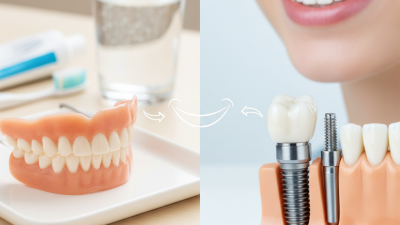
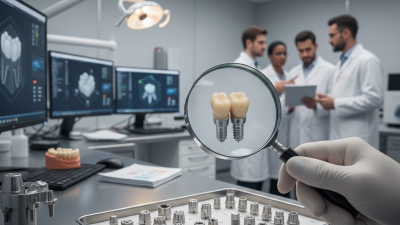
Choosing the right Dental Implant Crownisn't exactly a walk in the park. Honestly, every person’s got unique needs, so what works for one might not work for another. When you're picking a crown, things like the material, shape, and color all matter. Sure, Dental Implants do a great job restoring both function and looks, but the crown itself is actually a pretty big deal when it comes to lasting results. Using top-notch materials like porcelain or zirconia can really make a difference—they're durable and look good too.
Most dental pros will tell you to seek advice from an expert—they can help customize the crown to fit your mouth perfectly. It’s super important that the crown feels right, both in shape and how it fits — nobody wants something uncomfortable or poorly fitted. Choosing the wrong one could lead to issues down the line or leave you feeling pretty unhappy.
Also, don’t forget to consider your lifestyle and personal preferences. Sometimes people overlook how a well-fitting crown plays a big role in your overall oral health. So, don’t rush into it. Take your time, weigh your options, and don’t hesitate to ask questions. A thoughtful decision now can really make your smile look awesome and stay healthy for years to come. Trusting a dental pro to guide you through the process will usually get you the best outcome—and that’s what really counts.
Understanding Dental Implants and Their Components
When considering dental implants, it's essential to understand their components. A dental implant typically consists of a titanium post, an abutment, and a crown. The post serves as the root, embedded in the jawbone. The abutment connects the post to the crown, which is the visible part that mimics a natural tooth. According to the American Academy of Implant Dentistry, dental implants have a success rate of about 95% after ten years, making them a reliable option for tooth replacement.
Choosing the best Dental Implant Crown requires careful thought. Crowns can be made from various materials, such as porcelain, metal, or a combination. Each material has its benefits and drawbacks.Porcelain crowns blend well with natural teeth, while metal crowns offer durability. However, metal can be noticeable and may not appeal to everyone.
Tips: Always consult with your dentist about the most suitable type for your needs. You might be surprised to learn that the choice of crown can influence the implant's longevity. Consider your lifestyle and personal preferences. For example, if you grind your teeth, stronger materials might be necessary.
Additionally, patents for crowns vary widely in pricing. Custom crowns can be costly, often leading patients to consider options like Wholesale Dental Implant Crowns, which can save money. However, the quality might not always match that of custom solutions, requiring careful evaluation. Remember, the best choice balances appearance and functionality while adhering to your budget.
Types of Dental Implant Crowns: An Overview
Dental implant crowns are crucial for restoring function and aesthetics in dental replacements. There are several types, such as porcelain-fused-to-metal (PFM), all-ceramic, and metal crowns. Each has unique benefits tailored to individual needs. According to the American Academy of Implant Dentistry, over 3 million people in the U.S. have dental implants. However, selecting the right crown can be confusing.
PFM crowns combine the strength of metal with the natural appearance of porcelain. They are durable but may not provide the best aesthetic for front teeth. All-ceramic crowns offer a more natural look and are suitable for patients seeking appearance over strength. However, they may not be as durable as PFM, especially in heavy bite situations.
Factors such as the location of the implant, the patient’s bite force, and aesthetic preferences play significant roles in decision-making. Research indicates that 70% of patients prioritize aesthetics when choosing crowns. It's essential to consult with a dental professional who has experience and specializes in implants. This choice's long-term impact on oral health and appearance should not be underestimated. Each type of crown presents challenges and advantages that require thoughtful consideration.
Factors to Consider When Choosing a Dental Implant Crown
When considering a dental implant crown, several key factors come into play. Material choice is crucial. Crowns can be made from porcelain, ceramic, or metal. Each material offers different benefits. For example, porcelain crowns are aesthetically pleasing, blending well with natural teeth. However, metal crowns offer durability, crucial for back teeth.
Shade matching is also important. The crown should match the surrounding teeth to achieve a natural look. Finding the right color can enhance your smile. Good communication with your dentist is vital here. Discuss your expectations openly.
Tips: Always ask your dentist about the longevity and maintenance of your chosen material. Some materials may require more care than others. Additionally, consider the cost involved. Compare prices but don’t compromise on quality.
Consult professionals with expertise in dental restorations. Their knowledge will guide you in choosing the best option. Consider local options, like China Dental Implant Crown, which often offer quality solutions at varying price points. Be aware of the trade-offs and reflect on what matters most for your dental health. Your comfort and confidence in your smile are invaluable.
Material Options for Dental Implant Crowns: Pros and Cons
Choosing the right material for your dental implant crown is crucial. Various materials offer different benefits. Common options include ceramic, metal, and zirconia. Each material has its own pros and cons.
Ceramic crowns are popular for their natural appearance. They blend well with surrounding teeth. Research shows they can last 10-15 years with proper care. However, they may chip under pressure, causing concern for some patients. Metal crowns are durable and can withstand significant forces. They typically last longer than ceramics but may not provide the aesthetic quality you desire. In fact, a study from the American Dental Association indicates that while metal crowns last longer, patients sometimes prefer the look of porcelain alternatives.
Zirconia crowns combine durability with aesthetics. They resist wear and fracture better than traditional ceramics. The challenge lies in their cost, which can be higher than other types. For those considering an "Implant Crown And Abutment," it's essential to weigh these factors carefully. Consulting with a dental professional can help clarify your options. Remember, choosing the right crown material can impact both the longevity of your implant and your smile's appearance. Finding a balance between function and appearance is key.
How to Choose the Best Dental Implant Crown for You? - Material Options for Dental Implant Crowns: Pros and Cons
| Material | Pros | Cons | Lifespan | Cost |
| Porcelain Fused to Metal (PFM) | Natural appearance, strong | Can show a metal margin, heavier | 10-15 years | Moderate |
| All-Ceramic | Excellent aesthetics, biocompatible | Less durable than metal options | 5-15 years | Higher |
| Zirconia | Very strong, natural look | Limited translucency compared to porcelain | 10-20 years | Moderate to high |
| Metal (Gold or Alloys) | Extremely durable, good for back teeth | Not aesthetic, can be expensive | 15-30 years | High |
| Resin | Least expensive, aesthetic | Least durable, can wear down | 5-10 years | Low |
The Importance of Aesthetic Considerations in Crown Selection
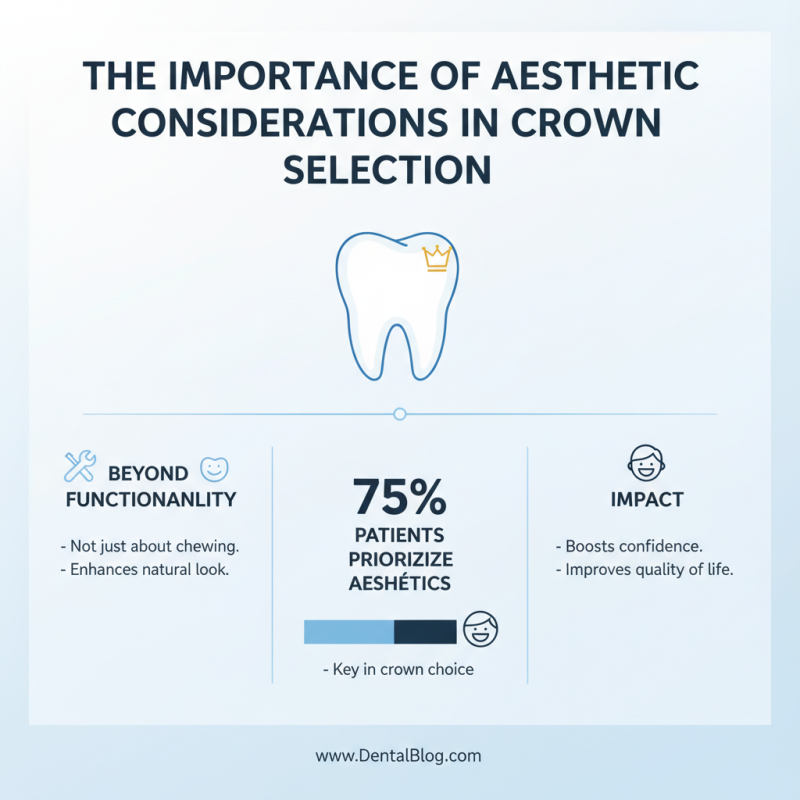
Selecting the right dental implant crown involves much more than just functionality. Aesthetic considerations play a crucial role in achieving a natural look. Research indicates that nearly 75% of patients prioritize aesthetics when choosing their crowns. The right crown can greatly enhance one’s smile, leading to increased confidence and improved quality of life.
Materials used in crown fabrication greatly influence both appearance and durability. Porcelain crowns are popular for their ability to mimic natural teeth. They offer a translucency that allows light to reflect like enamel, making them a top choice. However, they may not be as strong as metal-based crowns. The American Dental Association suggests evaluating the trade-off between aesthetics and durability. This highlights the importance of personal circumstances in crown selection.
Implant placement and crown design must work in harmony. A well-designed crown ensures proper alignment and functionality. Yet, flaws in the design can diminish effectiveness. Patients should engage in discussions with their dental professionals about aesthetic goals. Open communication helps tailor decisions that reflect individual needs while achieving a visually appealing outcome. Proper understanding leads to more satisfactory results in the long run.
Consulting with Your Dentist: Questions to Ask
When considering a dental implant crown, consulting your dentist is crucial. Understanding your options is vital for a successful outcome. Ask your dentist how the crown material affects durability. Research shows that over 80% of dental implant failures are linked to poor material selection. Knowledge about materials can save you complications later.
Another important question is about the Abutment For Implant Crown placement. The abutment can influence the crown's appearance and function. Discuss with your dentist the most suitable options for your specific case. Consider asking about the attachment process, as this may vary. Many patients report discomfort due to improper fitting during this stage, highlighting the need for informed discussion.
Inquire about the longevity of different crowns. Some materials last longer than others. Studies show that ceramic crowns can last up to 15 years with proper care. However, they may be more prone to chipping. Reflect on what matters most to you: longevity or aesthetics. Having a transparent conversation with your dentist can lead to better choices tailored to your needs.
Maintenance and Care for Your Dental Implant Crown
Caring for your dental implant crown is crucial for maintaining oral health. Regular maintenance can extend the longevity of your crown. According to a 2022 report from the American Academy of Implant Dentistry, 95% of dental implants can last over a decade with proper care. This illustrates the importance of establishing a routine.
Daily brushing and flossing are essential. Use a soft-bristle toothbrush and fluoride toothpaste to prevent plaque buildup. Flossing can remove debris between the crown and your natural teeth. A gentle rinse of an antibacterial mouthwash can provide additional protection. It's reported that poor oral hygiene can lead to peri-implantitis in 30% of patients within ten years. Neglecting hygiene can lead to complications and unexpected costs.
Regular dental visits are equally important. Schedule check-ups at least twice a year. Your dentist can evaluate the condition of your crown and surrounding gums. Early detection of issues can prevent further deterioration. Many patients forget this step, thinking implants don't need attention. However, the success of a dental implant depends heavily on proactive maintenance.
Maintenance and Care for Your Dental Implant Crown
FAQS
: Common types include porcelain-fused-to-metal, all-ceramic, and metal crowns, each offering unique benefits.
Aesthetic preferences greatly influence crown selection. Many patients want crowns that blend with their natural teeth.
Ceramic crowns can chip under pressure. This durability issue worries some patients during their decision-making.
With proper care, ceramic crowns can last about 10-15 years, a significant lifespan for dental restorations.
Experienced professionals provide insights on crown options. Their expertise helps tailor decisions for individual patient needs.
Yes, zirconia crowns can be more expensive than ceramic or metal alternatives, posing a consideration for patients.
A well-chosen crown enhances the smile, boosting confidence and improving overall quality of life for many patients.
Bite force is a critical factor; stronger crowns may be needed for patients with significant biting pressure or habits.
Yes, improper design can lower a crown's effectiveness and function, emphasizing the need for careful planning.
Patients should communicate their aesthetic goals and concerns to ensure their choices align with personal preferences and needs.
Conclusion
Choosing the best dental implant crown involves understanding the various components of dental implants and the types of crowns available. An overview of crown types highlights their differences, helping patients identify the most suitable option for their needs. Key factors to consider include the material options, which each come with their own pros and cons, as well as aesthetic considerations that play a vital role in achieving a natural look.
Consulting with your dentist is crucial, as they can provide guidance on the most appropriate dental implant crown based on individual circumstances. Patients should prepare specific questions for their dentist to ensure they make an informed decision. Additionally, proper maintenance and care for the dental implant crown are essential to ensure longevity and functionality, contributing to overall oral health.