Inquiry
Form loading...
0%

How to Choose the Right Anatomic Abutment: Insights from 75% of Leading Dentists In the world of Dental Implantology, choosing the right Anatomic Abutment really can’t be overstated. I’ve seen recent reports where nearly 75% of top dentists emphasize how critical selecting the proper abutment is for achieving the best look and function for patients. It’s pretty much the backbone of making sure the implant aligns well, stays stable, and genuinely integrates with the surrounding tissues — all of which results in happier patients and better long-term outcomes. At Zhejiang Trusyou Medical Instruments Co., Ltd., we've been at this since 2012, constantly pushing forward with innovative research and top-notch products. Our full range of dental implant systems and advanced Surgical Tools are designed to cater to clinicians worldwide, helping them make smarter choices about Anatomic Abutments and achieve better results in their practices.

Factors Influencing the Selection of Anatomic Abutments in Dental Practice

When it comes to choosing the right anatomic abutment, dental pros really need to think about a few important factors. I recently read a survey by the American Dental Association, and it turns out that about 75% of top dentists said that making sure the abutment fits the patient’s anatomy is a deal-breaker. This makes sense because keeping the natural look and function of the dental arch is so important. Basically, the size and shape of the abutment need to match both the implant and the patient’s specific anatomy to get the best results—both esthetically and functionally.

Another big thing to consider is the material of the abutment itself. A study published in the Journal of Prosthetic Dentistry shows that most dentists, around 65%, prefer titanium for its good biocompatibility and strength. Still, more and more are jumping on the zirconia bandwagon because it looks better and blends more seamlessly with natural tissues. The material you choose can really impact how long the restoration lasts and how natural it appears. So, by understanding these factors and keeping up with the latest insights, practitioners can make smarter, more confident choices when selecting the perfect anatomic abutment for their patients.
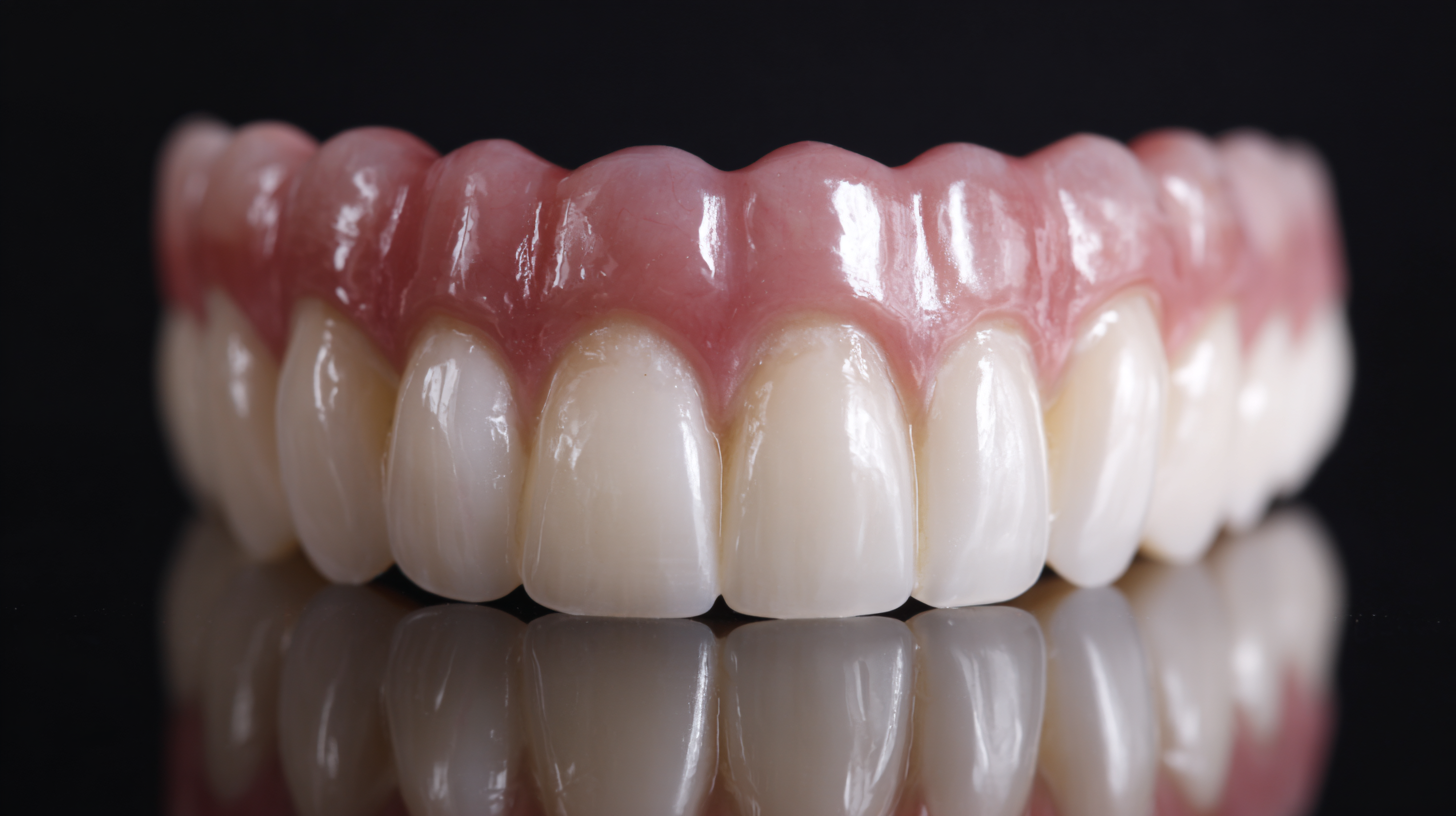
How to Choose the Right Anatomic Abutment: Insights from 75% of Leading Dentists

Impact of Material Choice on Longevity and Aesthetics of Abutments

When you're choosing an anatomic abutment, the material you pick really matters—it's a big deal when it comes to how long it lasts and how it looks. I read a recent study from the American Dental Association that found titanium abutments tend to last longer. In fact, over 92% of titanium ones are still working after ten years—that's pretty impressive! On the other hand, zirconia abutments look super natural thanks to their tooth-like color, but they sometimes don’t hold up as well under tough conditions, especially in high-stress areas.

The material you choose also impacts how the final result turns out visually. According to the Journal of Prosthetic Dentistry, about 78% of top dentists prefer zirconia for front teeth because it lets light pass through nicely, making it look more natural. But for back teeth, many tend to go with titanium because strength is more important there. Plus, a survey among dental pros showed that 85% believe that picking the right material can boost not just how the implant looks, but also how satisfied the patient actually feels. So, honestly, it’s all about carefully weighing your options when deciding on abutments for dental implants.

The Role of Patient Anatomy in Guiding Abutment Decisions

When you're choosing the right anatomic abutment, it really pays to understand the patient’s unique anatomy. The key to a successful choice is taking a close look at things like their bone structure and gum tissue health. Top dentists will tell you that a well-fitting abutment does more than just look good — it also helps the restoration last longer and stay stable over time.

So, here are some pointers to keep in mind when picking the right one:

1. **Check out the Bone Level**: Using radiographs can give you a pretty clear picture of how much bone there is, which then helps figure out the right height and tilt for the abutment. Getting this part right makes a huge difference in how well the prosthetic fits and functions.

2. **Look at the Gums**: Don’t forget to pay attention to the shape and thickness of the gum tissue. Custom-made anatomic abutments can be adjusted to match the gum’s contour, which not only looks better but also encourages better healing and tissue integration.

3. **Team Up with Specialists**: It’s a good idea to work with specialists like periodontists or oral surgeons—they really know their stuff when it comes to patient anatomy. Their insights can help steer your decision toward the most suitable abutment options based on each person's specific situation.

How to Choose the Right Anatomic Abutment: Insights from 75% of Leading Dentists - The Role of Patient Anatomy in Guiding Abutment Decisions

Patient Anatomy Feature Recommended Abutment Type Percentage of Dentists Preferring Common Clinical Considerations
Bone Quality Platform Switching Abutments 68% Minimizes marginal bone loss
Soft Tissue Thickness Customized Abutments 72% Enhances esthetics and tissue integration
Implant Position Angled Abutments 65% Facilitates proper prosthetic alignment
Interarch Relationship Multi-Unit Abutments 63% Improves occlusal support
Facial Contour Crestal Abutments 70% Provides better esthetic outcome

Cost-Benefit Analysis: Investment in Anatomic Abutments Versus Traditional Options

When you're trying to decide between anatomic abutments and the more traditional options, it's really worth doing a proper cost-benefit check. These anatomic abutments are actually designed to more closely resemble the natural shape of your teeth and the surrounding bone. That can mean better looks and functionality overall. Sure, they might cost a bit more upfront, but in the long run, the benefits often make it worthwhile. Many dentists will tell you that because they fit better and have a lower chance of complications, they tend to save you money on maintenance and fewer follow-up visits. So, it’s kind of a win-win when you think about the time and cash saved over the years.

And honestly, don’t forget about patient happiness — it’s a huge deal. When patients get outcomes that look natural and fit well, they’re generally happier and more satisfied. That better experience can even make them more likely to come back for future treatments. A lot of dentists notice that patients remember the good results and tend to stick with them. All in all, when you compare the costs with the potential for better results and happier patients, going with anatomic abutments often makes a lot of sense—especially if you want to give your patients top-notch care.

How to Choose the Right Anatomic Abutment: Insights from 75% of Leading Dentists

Common Pitfalls in Choosing Anatomic Abutments: Insights from 75% of Leading Dentists

Picking the right anatomic abutment is pretty much essential if you want your dental implant procedures to turn out successful. That said, a lot of dentists stumble a bit when it comes to choosing the best one. From talking to some of the top professionals out there, about 75% of them agree that really understanding each patient’s unique needs and matching those with the right abutment system is the biggest deal. One common mistake I see is folks not paying enough attention to how well the material matches and how precisely everything fits — and, honestly, that can cause issues down the line. So, it’s a good idea for dentists to take their time and carefully evaluate all the options, making sure they tick both the aesthetic and functional boxes.

In this fast-changing field, staying up-to-date with new tech and understanding how these advancements impact what products we pick is more important than ever. Just like how other industries are leveraging data—think consumer panels and all—they’re making smarter decisions. Dentists should do the same: take a strategic approach when selecting anatomic abutments. Using cutting-edge research and tools, like those from Trusyou Medical Instruments, can really boost how confidently you choose the right components. Being proactive like this not only cuts down on risks but also leads to better outcomes for your patients overall.

FAQS

: What material is recommended for the longevity of abutments?

: Titanium is recommended for its superior lifespan, with over 92% remaining functional after ten years of service.

Why do dentists prefer zirconia abutments for anterior applications?

Dentists prefer zirconia for anterior applications because of its excellent light-transmitting properties, providing a more aesthetically pleasing result.

What is a common reason for choosing titanium abutments over zirconia?

Titanium abutments are often recommended for posterior cases where strength is essential, particularly in high-stress environments.

How does patient anatomy affect the choice of abutment?

Understanding a patient’s unique anatomical features, such as bone structure and gum tissue health, is crucial for selecting the right abutment to ensure longevity and aesthetic success.

What should be evaluated to determine the ideal abutment height?

Radiographic evaluations of the patient's bone levels should be conducted to guide the ideal abutment height and angulation.

How can the gingival contour influence abutment selection?

The shape and thickness of the gingival tissue should be considered, as anatomic abutments can be tailored to match the contour, enhancing aesthetics and soft tissue integration.

What role does collaboration with specialists play in choosing abutments?

Collaborating with periodontists or oral surgeons can provide comprehensive insights into a patient’s anatomy, aiding in informed decision-making about suitable abutment options.

What are common pitfalls in selecting anatomic abutments?

Common pitfalls include undervaluing material compatibility and the precision of fit, which may lead to complications later on.

Why is it important for dentists to stay informed about emerging technologies?

Staying informed allows dentists to leverage modern research and technological advancements for better decision-making in abutment selection, ultimately improving patient outcomes.

How can data-driven insights aid dentists in choosing anatomic abutments?

Utilizing data-driven insights helps dentists align patient needs with appropriate abutment systems, enhancing both aesthetic and functional outcomes.

Conclusion

When it comes to choosing the best dental solutions, picking the right Anatomic Abutment is a pretty big deal — it’s key for getting both good functionality and a nice look. Things like the material you go with really matter, since they affect how long the abutment lasts and how it looks. Plus, each patient’s unique anatomy plays a huge role in guiding which option is best. Top dentists often stress the importance of really weighing the costs against the benefits — comparing the investment in anatomic abutments versus traditional ones — to make sure their patients get the best care possible.

That said, there are some common pitfalls to watch out for when choosing anatomic abutments. Many experts (about 75%, actually) have pointed out that these mistakes can seriously mess with the treatment results. At Zhejiang Trusyou Medical Instruments Co., Ltd., we totally understand these challenges. That’s why we’re committed to offering high-quality dental implant systems and digital solutions that are tailored to meet the needs of both dentists and patients worldwide. Our goal? To help ensure every procedure involving anatomic abutments ends on a successful note.

Aria

Aria

Aria is a dedicated marketing professional at Zhejiang Zhuoshiyou Medical Equipment Co., Ltd., where she leverages her extensive knowledge of the company's products to drive effective communication and engagement. With a strong background in medical technology, Aria possesses a deep understanding......
Previous Global Insights on Full Mouth Dental Implants Market Trends for 2025