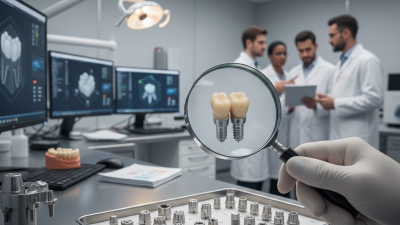
Picking the right Dental Crown Abutment can actually be more tricky than you might think. There’s quite a bit to consider. For starters, you really want an abutment that’s strong and durable — something that’s gonna hold up for years to come. No one wants to be back at the dentist’s chair because their abutment failed! A good choice here can make your dental crown work a lot better and last longer.
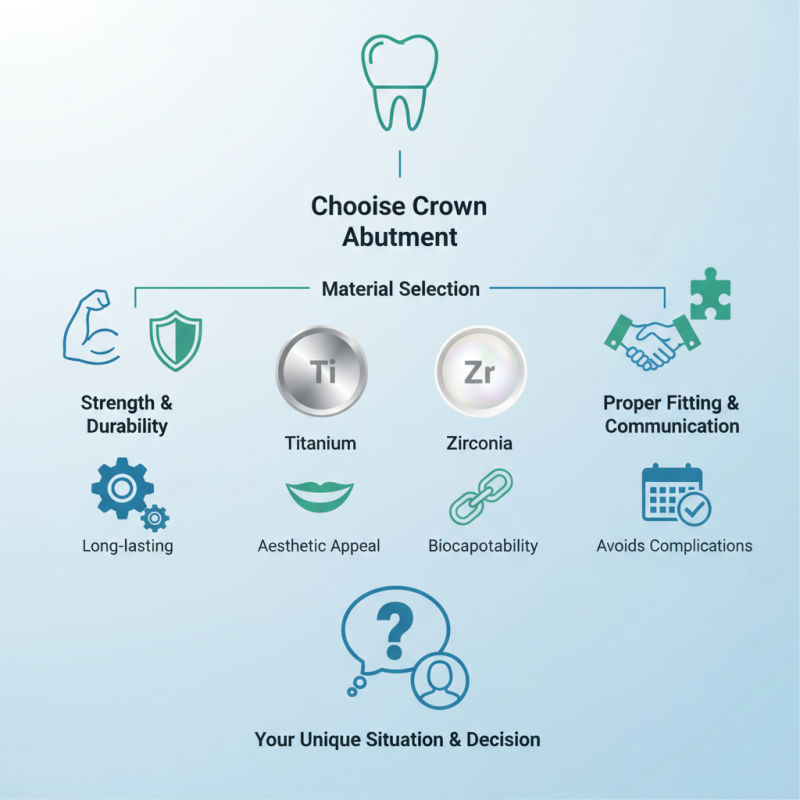
Then there’s the material to think about. You’ve got options like titanium or zirconia, and each has its own perks and quirks. Some folks care a lot about how it looks — the aesthetic side of things, you know. Others might prioritize strength or how well it gets along with your body (biocompatibility). It’s honestly a bit of a balancing act — knowing what’s most important for you helps a lot.
And don’t forget the importance of a proper fit. An abutment that doesn’t fit well can cause a bunch of problems down the line, maybe even needing more dental work. So, it’s super important to chat openly with your dentist about what you’re looking for and what your concerns are. Finding the perfect Dental Crown Abutment isn’t a one-size-fits-all kind of thing—it’s all about your unique situation. Take your time, weigh your options, and don’t rush it. The right choice is worth the effort.
Understanding Dental Crowns and Their Purpose
Dental crowns serve as essential components in restorative dentistry. They cover and protect damaged teeth. According to the American Dental Association, about 15 million people in the U.S. have crowns. They may restore function and aesthetics.
Choosing the right dental crown abutment is crucial. There are various types available. Each type has unique benefits. For example, porcelain crowns match natural teeth in color. Metal crowns are stronger but less aesthetic. You may face challenges in selecting the best one. Sometimes, consultations may yield different opinions. It’s important to ask your dentist about their recommendations based on your specific situation.
Tips: Always communicate your concerns. Understanding different materials can help narrow your options. Ask for visual aids to see examples. Remember that the best choice reflects both durability and appearance. Crowns can last over a decade with proper care. However, some factors can compromise their lifespan. These include grinding teeth or poor dental hygiene. Prioritizing a balanced approach is essential for long-term health.
Types of Dental Crown Abutments Explained
Choosing the right dental crown abutment can feel overwhelming. There are several types to consider, each with unique benefits and limitations. Two common options are titanium and zirconia. Titanium Abutments are strong and resilient. They’re often favored for their durability. Zirconia abutments offer a natural appearance. They blend well with existing teeth, making them aesthetically pleasing.
It's important to reflect on material compatibility. Some patients may experience allergies or sensitivities. In such cases, zirconia may be a safer alternative. Additionally, the design of the abutment matters. Custom-fit options can lead to better comfort and functionality. But these can also come with a higher price tag.
Considering your personal needs is crucial. Think about your lifestyle and budget. If you lead an active life, durability might be your priority. If appearance matters more, zirconia could be the way to go. Weighing these factors will help guide your choice. Each option has pros and cons that are essential to evaluate. Make sure to discuss these details with your dental professional.
Types of Dental Crown Abutments
Factors to Consider When Choosing a Crown Abutment
Choosing the right dental crown abutment involves several important factors. The type of material is crucial. Options include metal, ceramic, and resin. Each has its pros and cons. For instance, metal offers durability but may be less aesthetic. In contrast, ceramics blend well with natural teeth but might not be as sturdy.
When selecting an abutment, consider your dentist's recommendation. Their expertise can help you make informed decisions. It's also vital to evaluate your budget. Some options may be costlier than others. Comparing prices from various Dental Crown Abutment Manufacturers can be beneficial.
Always think about your long-term comfort. You might feel pain if the abutment doesn't fit properly. Regular check-ups can prevent some issues. Finally, reflect on your lifestyle. Active individuals might need sturdier options to avoid damage. Take time to weigh all these factors before making a choice.
How to Choose the Right Dental Crown Abutment for You?
| Factor | Description | Considerations |
| Material | The type of material used for the abutment (e.g., titanium, zirconia) | Durability, aesthetics, and biocompatibility |
| Size and Shape | The dimensions and form of the abutment | Proper fit ensures stability and function |
| Type of Crown | The design of the crown that will be placed on the abutment | Compatibility with crown types such as PFM, all-ceramic |
| Patient’s Oral Health | The overall dental health of the patient | Presence of gum disease, bone density |
| Cost | The price range for different abutment materials and types | Budget constraints versus quality of materials |
| Longevity | Expected lifespan of the abutment and crown combination | Maintenance and care required to maximize durability |
Consultation with Your Dentist: What to Expect
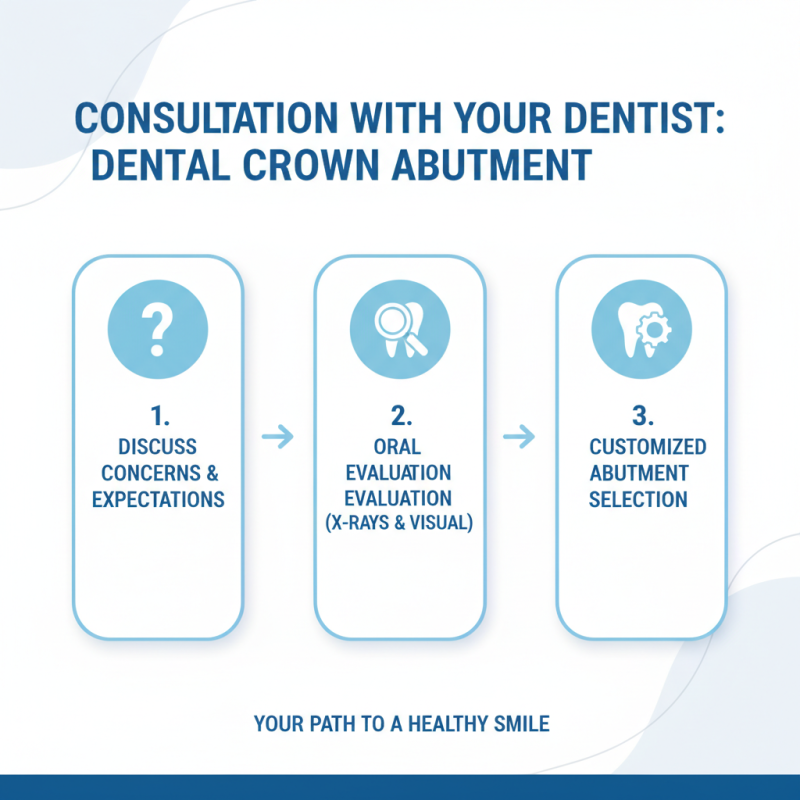
When considering a dental crown abutment, a consultation with your dentist is essential. This meeting provides a chance to address your concerns and expectations. Your dentist will evaluate your oral health through X-rays and visual inspections. Understanding your specific needs helps guide the selection process for the right abutment.
Industry reports suggest that approximately 69% of adults aged 35-44 have lost at least one tooth. This statistic highlights the prevalence of dental issues. During your appointment, discuss the materials and types of abutments available. Dentists often recommend metal, porcelain, or a combination. Each material has distinct benefits. Porcelain offers a natural look, while metal provides durability.
Take this opportunity to ask questions. You might feel overwhelmed by the options. It’s normal to be unsure. The choice of a dental crown abutment can affect both function and aesthetics. A well-informed decision is crucial. Don't hesitate to seek a second opinion if you're doubtful. Also, exploring a reputable Dental Crown Abutment Manufacturer could provide additional insights into quality. Your dentist is your ally in navigating these choices, ensuring you find the best solution for your dental health.
Material Options for Crown Abutments and Their Benefits
Choosing the right dental crown abutment can be challenging. One key factor is the material used. Various options are available, each with its unique benefits.
Porcelain is widely preferred. It resembles natural teeth very well. The aesthetics are remarkable, making it an excellent choice for front teeth. However, porcelain can be less durable than other materials. This is worth considering if you have a grinding habit.
Metal options, like gold or silver, offer exceptional strength. They endure wear and tear from chewing effectively. Yet, their metallic appearance might not be suitable for everyone. Some patients may prefer a more natural look.
Resin-based materials provide a balance between aesthetics and durability. They can be color-matched to your teeth, enhancing their overall appearance. Yet, they may not last as long as metal options. Patients should think about their lifestyle and personal preference when choosing. Each material has advantages, but none is flawless. Exploring these factors can lead to a better decision that suits your unique needs.
How to Care for Your Dental Crown and Abutment
Taking care of your dental crown and abutment is essential for maintaining oral health. Studies indicate that proper care can extend the lifespan of a dental crown to over 15 years. Routine hygiene practices like brushing and flossing are key. Most dentists recommend a non-abrasive toothpaste. It prevents damage to the crown and the surrounding gum tissue.
Regular dental check-ups are crucial. They help detect issues like decay around the abutment. According to the American Dental Association, nearly 20% of crown failures are linked to improper care. Rinsing with an antimicrobial mouthwash can also help reduce plaque buildup. Be mindful of potential irritants like hard candies or sticky foods, as they can dislodge or damage your dental crown.
Considering the variety of options available, choosing a Wholesale Dental Crown Abutment should never be taken lightly. Each type may have different care requirements. Consult with your dentist to understand the specifics of your abutment. Neglecting care can lead to complications, such as infections or the need for replacements. Focus on consistent, gentle oral hygiene practices. This will ensure your dental crown and abutment serve you well for years to come.
Common Issues and Solutions with Dental Crowns
Dental crowns are essential for restoring damaged teeth. However, many patients face common issues that stem from poor fitting or material choice. According to the American Dental Association, nearly 15% of crown procedures may require adjustments. This highlights the importance of selecting the right dental crown abutment for your specific needs.
One prevalent issue is discomfort or sensitivity. This often occurs when the crown does not align properly with neighboring teeth. If you feel pain when biting, it could indicate a misalignment. Consulting with your dentist promptly can help remedy this situation. Tips: Always communicate any discomfort you feel after a crown placement. Early intervention can prevent more significant problems.
Another concern is the durability of the materials used. Some crowns wear down faster, especially in high-stress areas. Research shows that zirconia crowns generally last longer than porcelain ones, but they may be less aesthetically pleasing. It’s crucial to consider both functionality and appearance when choosing your crown. Tips: Ask your dentist about the durability of materials from different Dental Crown Abutment Factories. Understanding your options can lead to better outcomes.
FAQS
: Dental crowns cover and protect damaged teeth, restoring function and aesthetics.
Consult your dentist about materials and options. Your specific needs matter.
Common types include titanium and zirconia, each with unique benefits and limitations.
Titanium abutments are known for their strength and durability. They can withstand significant force.
Zirconia offers a natural appearance and blends well with existing teeth, appealing to those prioritizing aesthetics.
Yes, some patients may have allergies to materials. Always discuss sensitivities with your dentist.
Grinding teeth, poor hygiene, and lifestyle choices can compromise crown longevity.
Prioritizing dental hygiene and regular check-ups can help maintain your crowns for over a decade.
Custom-fit options may cost more but offer improved comfort. Evaluate your budget and needs carefully.
Share your concerns and gather information. Make an informed choice with your dentist’s guidance.
Conclusion
Choosing the right dental crown abutment is a crucial step in restorative dentistry. Dental crowns serve to protect and enhance the function of damaged teeth, and the abutment is the underlying structure that supports the crown. When considering options, it's important to understand the different types of dental crown abutments available, including their materials and benefits. Factors such as durability, compatibility with your dental condition, and aesthetic preferences should be evaluated.
A consultation with your dentist is essential to determine the most suitable crown abutment for your needs. During this consultation, you can expect to discuss various options and what to anticipate from the procedure. Proper care for your dental crown and abutment is also vital to ensure longevity, alongside being aware of common issues that may arise. By staying informed and working closely with your dental professional, you can achieve the best results for your oral health.