 Lately, there's been a pretty noticeable jump in the demand for Dental Implants. If you look at the numbers, the global market is expected to hit around 12.6 billion USD by 2026, growing at about 5.6% annually. That kind of growth really highlights how important it is to choose the right implant—because the right one can make all the difference in how well the treatment turns out, both functionally and in terms of appearance.
At Zhejiang Trusyou Medical Instruments Co., Ltd., we've been in the game since 2012, providing dental implant systems and Surgical Tools. We get it—picking the right implant isn’t just about the technical stuff; it totally affects the final result. Thanks to all the recent advances in tech and materials, dental pros now have a whole bunch of options they didn’t have before.
In this guide, we want to make things a bit easier for both patients and practitioners, sharing some key points to consider when choosing the best dental implant for a successful and satisfying outcome.
Factors to Consider When Choosing a Dental Implant Type
Picking the right dental implant isn't just about the technical stuff; it really comes down to understanding each patient's unique needs and preferences. Recent studies highlight that what patients think and feel about implants can actually influence whether they go through with the procedure or not. So, good communication between you and your dental team is super important—to make sure everyone’s on the same page and that treatment plans match what the patient expects.
When you're figuring out which implant to choose, don’t forget to consider the anatomy—especially in trickier cases like when you're dealing with the maxillary sinus floor. It’s been shown that taking a close look at the residual bone height is key to picking the right implant type. Plus, research points out that the design of the implant itself, along with the prosthetic parts, really matters when it comes to long-term success. Things like the material you choose and how the abutment is designed can make a big difference.
Tip:
- Make sure to have in-depth chats with your patients—listen to what they’re worried about and what they’re hoping for. This helps tailor the treatment to what they really want.
- Pay close attention to anatomical details and choose surgical techniques that suit each patient’s specific situation for the best results.
- Keep up with the latest in implant tech and design—those small upgrades can really boost both patient happiness and success rates.
Understanding Different Types of Dental Implants Available
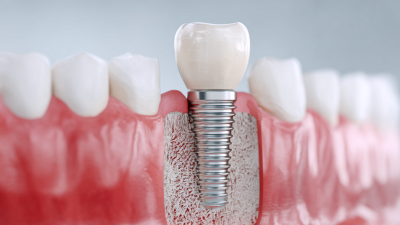
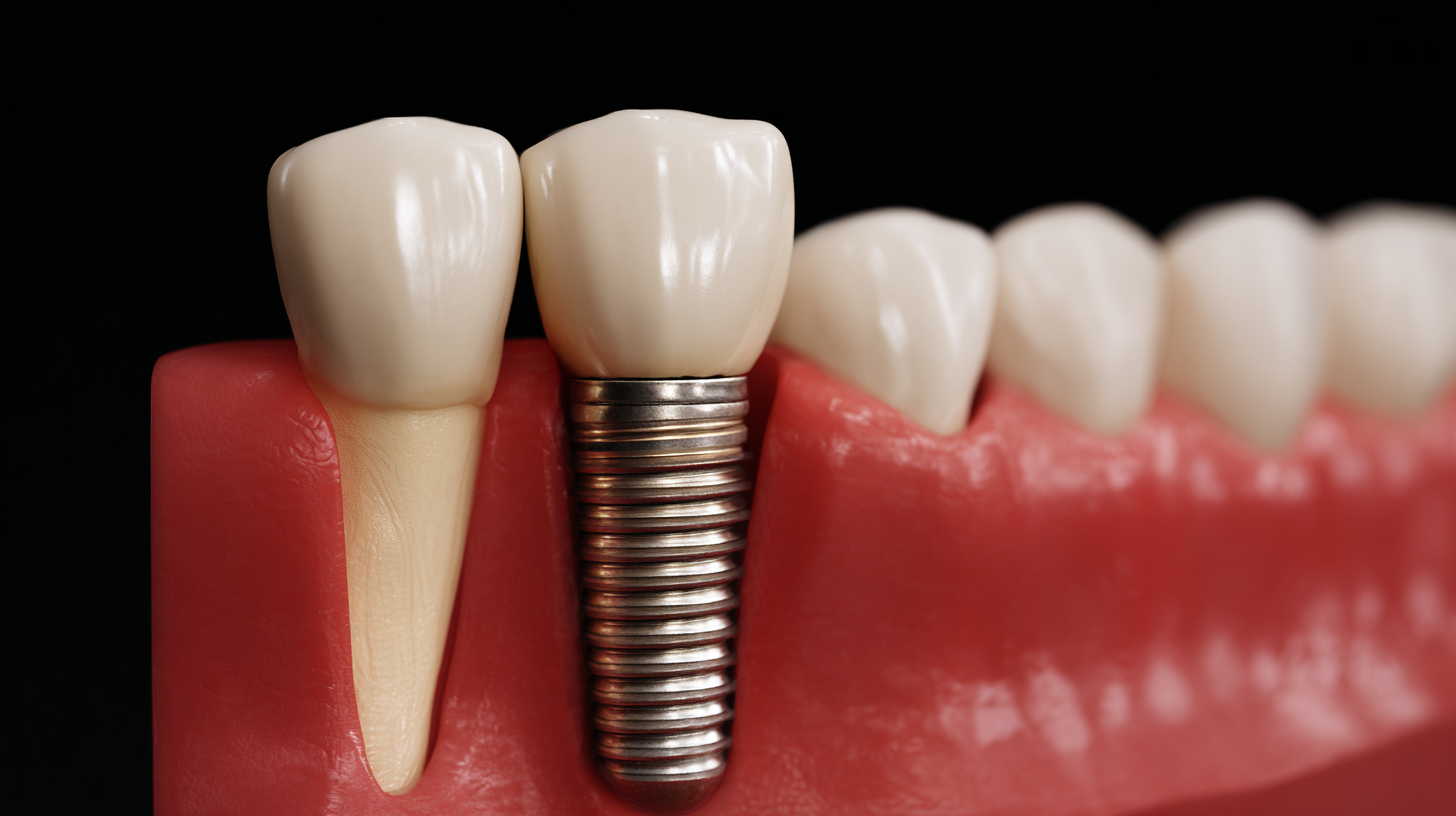
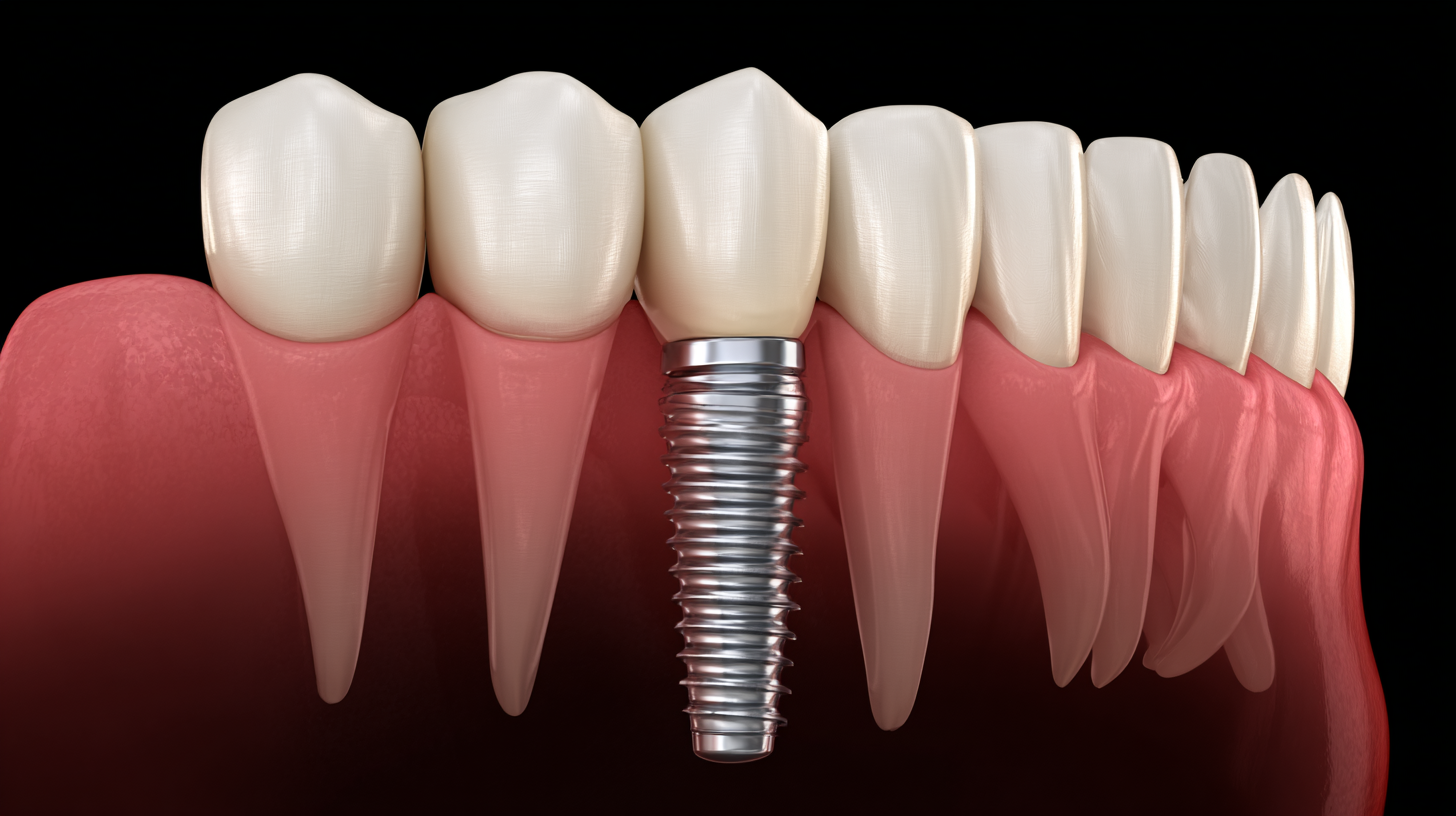
Thinking about getting dental implants? It’s pretty important to get a good handle on the different types out there, so you can make a choice that really works for you. The main kinds you’ll hear about are endosteal, subperiosteal, and zygomatic implants. Endosteal implants are the most common—they’re surgically placed directly into your jawbone and give a solid base for your replacement teeth. They usually work best if you've got enough jawbone density and are often made of titanium because it gets along well with your body.
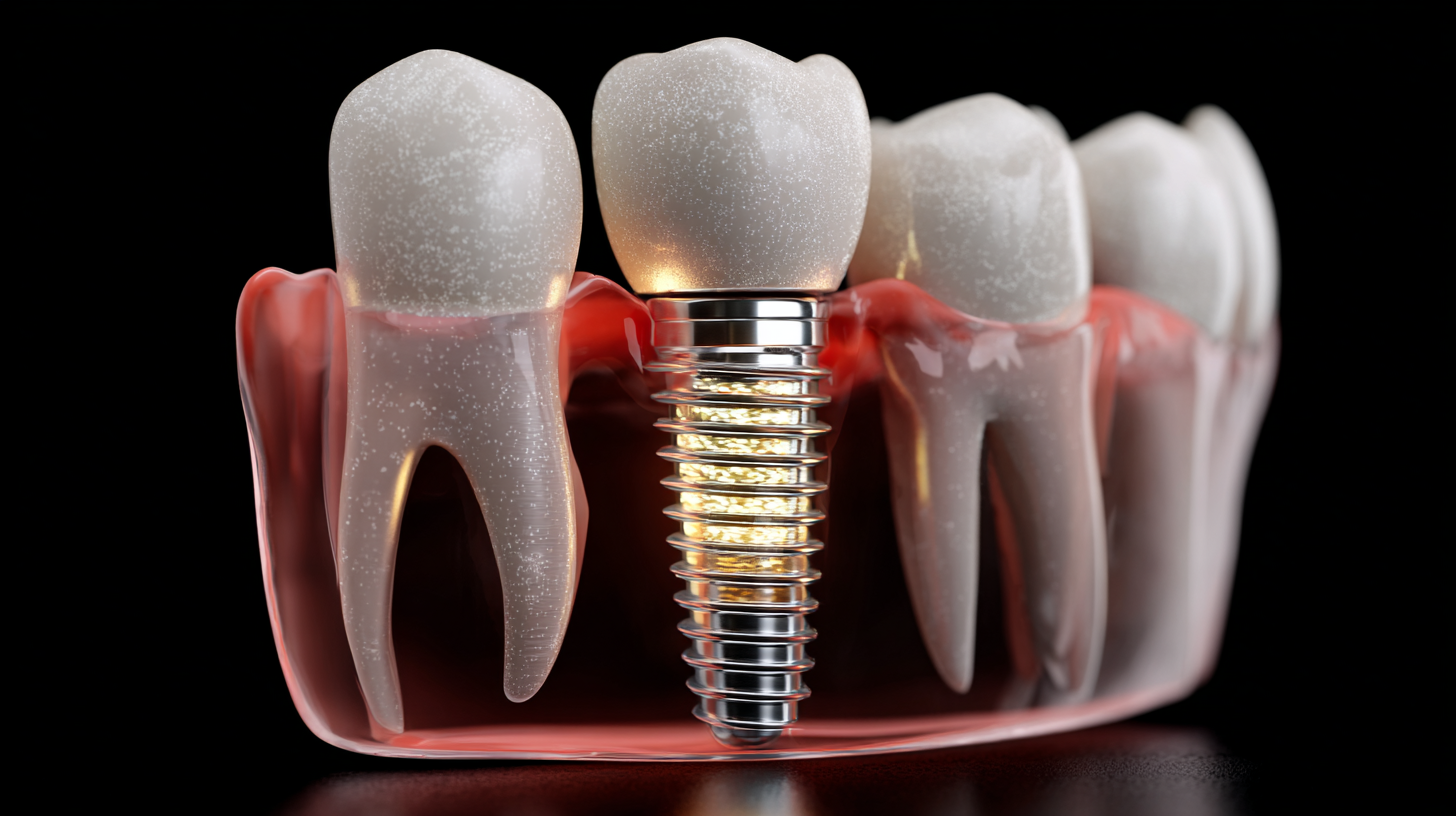
Now, Subperiosteal Implants are kind of a different story—they sit under the gums but above the jawbone. This might be a good pick if your jawbone isn’t quite enough for an endosteal implant but you aren’t keen on going through a bone graft. Then there are zygomatic implants, which are a bit more specialized—they’re anchored in the cheekbone, really handy if you've lost a lot of bone in your upper jaw. Knowing your options like this will make it easier to talk with your dentist and figure out what’s the best fit for your dental health and how you want to function day-to-day.
Evaluating Your Bone Structure for Optimal Implant Selection
When you're thinking about getting dental implants, checking out your bone structure is a pretty big deal. The health and density of your jawbone really play a big role in figuring out what kind of implant will work best. If your bone’s a bit soft or too thin, a regular implant might not cut it, and you might need to go for options like bone grafting or mini implants instead. Usually, your dentist will do some thorough checks — like X-rays or even 3D scans — to spot any issues and help figure out what’s the right move for you.
Knowing what’s going on with your bone isn’t just about picking the right implant; it also impacts how successful and long-lasting the whole thing will be. For example, someone with strong, healthy bone might be a perfect candidate for a standard implant, while someone with less bone density may need a more customized approach. Doing this kind of detailed assessment helps make sure the implant fits your jaw and aligns with your long-term dental health goals. Basically, taking the time to really evaluate your bone upfront means you’re more likely to end up with a treatment plan that works well and lasts over time, making your dental implants more likely to stay put and do their job for years to come.
Discussing Your Budget: Cost Factors in Dental Implants
When you're thinking about getting dental implants, one of the first things you'll probably want to consider is your budget. Honestly, the cost can really vary a lot depending on a bunch of things—like the type of implant, the materials used, and how complicated the surgery is. It’s a good idea to chat openly with your dentist about what you can comfortably afford, so you can explore options that actually fit your financial situation.
A handy tip? Do some homework on different implant systems out there. For example, companies like Zhejiang Trusyou Medical Instruments Co., Ltd. have a variety of innovative options and tools, often at prices that won’t break the bank. Also, don’t be shy about asking your dentist if they offer financing plans or payment options—that way, you can spread out the cost and make the whole thing more manageable.
And remember, it’s not just about the implants themselves. There might be extra costs involved, like preliminary procedures, imaging, or follow-up care. Having a honest chat with your dentist about all these potential expenses will help you get a clear picture and avoid surprises down the line. The more you know, the better equipped you'll be to choose the right implant system that works for your needs—and your wallet.
The Importance of Consulting with a Dental Professional
Picking the right dental implant isn't just a little decision — it really impacts your oral health and your general well-being too. There are so many types of implants and techniques out there, but honestly, chatting with a good dentist is usually the best way to figure out what's right for you. They’ve got the know-how to look at your specific situation — like your bone density, gum health, and even your personal preferences — and guide you toward the best option.
Plus, dentists keep up with all the latest in implant tech and procedures, so they can suggest the best materials and methods tailored just for you. They’ll also fill you in on any possible risks and benefits, so you’re not left in the dark about the whole process. Bottom line: working with an experienced dentist means you get personalized care, and it really boosts your chances of a successful, satisfying result.
Post-Procedure Care: Ensuring Long-lasting Dental Implants
Taking good care of your dental implants after the procedure is super important if you want them to last for the long haul. The American Dental Association’s studies show that, with proper care, around 90% of implants stay going strong for more than ten years. So, if you really want to give your implants the best shot, sticking to a solid care routine is the way to go.
Here are some tips to help you out. First off, keep your mouth as clean as possible. Brush gently around the implant area twice a day, and don’t skip that antibacterial mouthwash. It might seem small, but it’s really effective at preventing plaque from building up — which can lead to peri-implantitis, kind of an inflammation that messes with your gum tissue. Also, try to schedule follow-up visits with your dentist, especially within those first few months after getting your implant. Catching any issues early on can really boost how long your implant lasts.
And let’s not forget about your diet! During healing, avoid foods high in sugar — they encourage bacteria and could threaten your implant’s stability. Instead, go for a balanced diet rich in calcium and vitamin D, both of which are crucial for healthy bones. By following these simple steps, you’re setting yourself up for a longer-lasting, happier smile with your dental implants.
Maximizing Patient Outcomes: Insights from the Latest Data on the Excellence Series Implant System
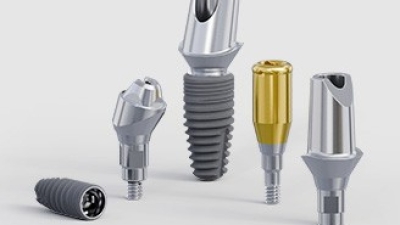
In the ever-evolving landscape of dental implants, the Excellence Series Implant System stands out not only for its cutting-edge technology but also for its commitment to enhancing patient outcomes. With world-class surface treatment technology and an innovative implant design, this system is meticulously engineered to provide patients with a seamless and comfortable experience. The tapered cylindrical profile of the implants ensures high affinity with bone tissue, resulting in excellent initial stability and outstanding clinical performance. This design fosters a quick and tight integration with surrounding tissues, significantly improving the treatment success rates.
By focusing on easy operation and safety, the Excellence Series also addresses common concerns in daily use, making it a preferred choice for dental professionals. The years of research and development, grounded in extensive customer feedback, have enabled the creation of an implant that not only reduces pain and accelerates healing but also enhances functionality and aesthetic outcomes. Each implant is a testament to the dedication of researchers and dentists working collaboratively to refine the patient experience, ensuring that individuals can enjoy a beautiful and lasting repair, ultimately maximizing their overall well-being.
FAQS
: Evaluating bone structure is crucial because the integrity and density of the jawbone directly influence the effectiveness of the implant. Poor bone quality may necessitate alternatives like bone grafting or mini implants.
Dentists may use X-rays or 3D imaging to thoroughly assess the bone structure and identify any deficiencies prior to selecting the most suitable implant option.
Patients with good bone density may be candidates for standard implants, whereas those with compromised bone health may need specialized approaches, ensuring that the chosen implant aligns with their dental health goals.
The cost of dental implants varies based on factors such as the type of implant, materials used, and the complexity of the surgical procedure.
To budget for dental implants, research different implant systems, discuss financial constraints with your dentist, and consider financing options or payment plans to spread out costs.
Yes, additional costs may include preliminary procedures, imaging, and follow-up care, so it's important to discuss the full scope of costs with your dentist.
If you have soft or thin bone, you may require alternative solutions such as bone grafting or the use of mini implants to ensure proper support for the implant.
Companies like Zhejiang Trusyou Medical Instruments Co., Ltd. offer a range of innovative implant solutions and surgical tools that provide quality care at competitive prices.
A detailed evaluation leads to a tailored treatment plan that increases the chances of successful integration and durability of dental implants, aligning with the physical realities of the patient’s jaw.
Conclusion
Picking the right dental implant is a pretty important step if you want good oral health and proper function. When you're choosing an implant, a bunch of things come into play—like the type of implant, your bone structure, and even your budget. It’s a good idea to get a handle on the different kinds of dental implants out there so you can make a choice that really fits your personal needs. Of course, chatting with a dental pro is super helpful—they can look at your unique situation and make sure you get an implant that lasts, especially if you follow their advice for aftercare.
At Zhejiang Trusyou Medical Instruments Co., Ltd., we’re all about offering innovative dental implant systems and solutions to make dental care better around the globe. Since we started back in 2012, we've really focused on R&D, which means we can provide high-quality surgical tools and digital options crafted to meet all sorts of dental needs. Our main goal is to make the process of choosing and using implants easier for you—so you get great results and a smile you can be confident in.