Picking the right Dental Implant is a pretty important decision when it comes to your oral health, you know? You've probably heard aboutZirconia Dental Implants — they’ve been getting a lot of buzz lately because they look good and tend to get along well with your body. But honestly, not all implants are the same. Knowing what to look out for can really make a difference, especially when it comes to how you heal and whether you'll be happy with the results.
Before you decide, it’s a smart move to check out your dentist’s experience with these implants. An experienced pro can walk you through what to expect and help you make a more informed choice. Oh, and don’t forget to look into the quality of the zirconia itself — not all materials are equal, and some might not last as long as you’d hope.
It’s also worth thinking about the long-term stuff — like how much maintenance they’ll need and how they’ll fit into your lifestyle. Even though Zirconia Implants might seem like the perfect pick, they’re not without their quirks. So, it’s good to weigh the pros and cons carefully, especially considering your daily habits and oral hygiene routine. Making the right call here can seriously boost your confidence and pretty much give your smile a glow-up for years to come!

Understanding Zirconia Dental Implants: Materials and Benefits
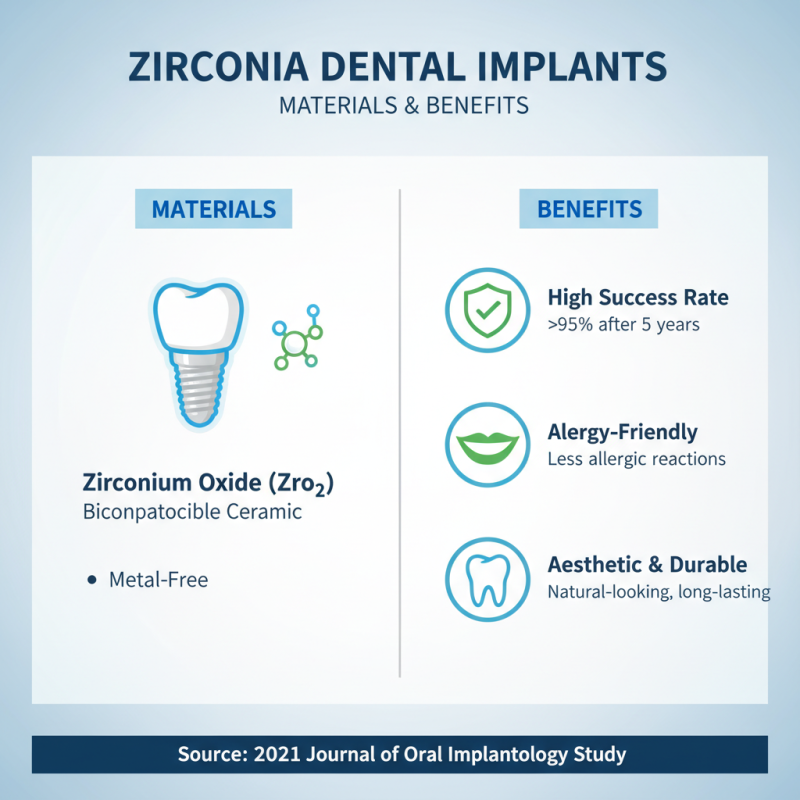
Zirconia dental implants have become increasingly popular due to their unique properties and benefits. Composed of biocompatible zirconium oxide, these implants are less likely to cause allergic reactions compared to metal alternatives. According to a 2021 study published in the *Journal of Oral Implantology*, zirconia implants boast a success rate exceeding 95% after five years of placement. This impressive statistic highlights the reliability of these materials in dental procedures.
Zirconia implants also provide aesthetic advantages. Their white color closely mimics natural teeth, making them a desirable choice for visible areas. Patients often prefer them for aesthetic restoration due to minimal gum discoloration. Research indicates that around 70% of patients reported higher satisfaction levels with the appearance of their zirconia implants as compared to traditional options. However, it is essential to evaluate their more brittle nature, which can lead to fractures in specific scenarios.
While zirconia implants present numerous advantages, practitioners must consider the challenges they pose. The necessity for specialized training when dealing with zirconia is crucial, as their placement requires precision. Inadequate techniques may lead to complications. Moreover, while some data suggest they are resistant to plaque accumulation, there have been concerns about their long-term durability in certain conditions. Balancing these aspects is essential for informed decision-making.
Comparing Zirconia Implants to Traditional Titanium Options
When choosing dental implants, patients often consider zirconia versus traditional titanium options. Zirconia implants offer aesthetic advantages due to their natural tooth-like color. This feature appeals to many seeking a more discreet dental restoration. Research indicates that about 70% of patients prefer the appearance of zirconia over titanium. However, titanium remains a popular choice due to its long history of successful integration with bone.
Longevity is another key factor. Titanium Implants boast a success rate of about 95% over ten years. In contrast, zirconia implants have been reported to have a success rate of around 85% in similar timeframes. This discrepancy might worry patients. While zirconia is highly biocompatible, it might not always bond as well with bone as titanium does.
However, advancements in zirconia technology are promising. Newer designs show improved integration capabilities. Studies show a growing trend toward the use of Wholesale Zirconia Dental Implants, indicating a shift in market preference. Patients should weigh these factors carefully when considering their options. Understanding the nuances between these materials is essential for making an informed choice.
Assessing Implant Size and Shape for Optimal Fit
When selecting zirconia dental implants, assessing implant size and shape is crucial for achieving an optimal fit. Studies indicate that poorly fitting implants can lead to complications, affecting both aesthetics and functionality. An article published in the Journal of Oral Implantology highlighted that up to 25% of dental implants experience failure due to improper sizing. This statistic underlines the need for precise measurements tailored to each patient’s unique anatomy.
Incorporating imaging technologies, such as 3D scans, can significantly enhance the accuracy of an implant's dimensions. These advanced techniques allow dental professionals to visualize bone density and structure before selecting a zirconia implant. Research from the International Journal of Oral Science noted that individualized planning can decrease the risk of misalignment and enhance the longevity of the implants.
Moreover, not all zirconia implants are created equal. Variations in shape can impact osseointegration—the process where bone integrates with the implant. A recent survey revealed that 60% of dental practitioners believe that implant shape is a primary factor in patient satisfaction. Understanding these nuances fosters a more informed decision, especially for those considering China Zirconia Dental Implants. This helps in minimizing trial and error, leading to better outcomes for patients.
Evaluating the Experience and Credentials of Dental Practitioners
When considering zirconia dental implants, evaluating the experience and credentials of dental practitioners is crucial. Research shows that around 60% of patients prioritize a dentist's experience when seeking implants. Look for professionals with specialized training in implant dentistry. They should be board-certified, possessing a strong understanding of both surgical and restorative procedures.
It's essential to review their background. A dentist with years of experience in placing zirconia implants is typically more reliable. You might find reports indicating that experienced practitioners have a higher success rate, often surpassing 95%. Peer-reviewed journals often highlight this correlation. Additionally, don’t hesitate to ask about the number of procedures they perform annually; this can impact their proficiency.
Consider their continuing education. Dental technology evolves rapidly. A practitioner committed to ongoing education reflects dedication to patient well-being. You can even inquire about any recent courses or certifications related to zirconia implants. Open communication is vital. Discuss potential concerns and outcomes; a good practitioner will address your questions thoughtfully.
Always take the time to research online reviews and patient testimonials. These can provide valuable insights into other patients’ experiences. Choosing a practitioner is a significant decision, and you deserve a qualified professional to guide your dental health.
Importance of Biocompatibility in Dental Implant Selection
Choosing dental implants is a significant decision. The material's biocompatibility is crucial. Biocompatible materials work well with human tissues. Zirconia Implants often offer advantages in this area. They integrate smoothly into the bone without triggering inflammation.
The success of any dental implant hinges on its compatibility with the body. Poor choices can lead to complications. Zirconia implants are less likely to cause allergies or reactions compared to metal options. This makes them a reliable choice for many patients. However, not every person is the same. Individual reactions can vary, leading to uncertainty.
Considering the biocompatibility of implants is essential. Not all zirconia implants are created equally. Understanding the specific type and quality can help ensure lasting results. Consulting with a dental professional can provide personalized insights. This can alleviate doubts and ensure a satisfactory outcome.
Top 5 Tips for Choosing Zirconia Dental Implants
The chart above illustrates the importance level (on a scale of 1 to 10) for five key factors to consider when choosing zirconia dental implants. Biocompatibility is the most critical factor, followed by aesthetic appeal, durability, cost, and maintenance.
Cost Considerations: Zirconia Implants vs. Alternatives
When considering zirconia dental implants, cost plays a significant role. Zirconia implants generally range from $1,500 to $3,000 per tooth, which can be higher than titanium implants. A study published in the "International Journal of Oral & Maxillofacial Implants" found that titanium implants average around $1,200 to $1,500. This difference in price is due to zirconia's material properties and the complexity of the manufacturing process.
Patients must also account for additional expenses. Costs for the surgical procedure, consultations, and possible grafting increase the overall investment. According to research from the American Dental Association, the total cost for implant treatment can be anywhere from $3,500 to $6,000 for titanium. Patients may feel pressured by these figures. The aesthetic benefits of zirconia, because of its natural tooth-like appearance, may justify the expense for some.
Long-term considerations are essential, too. The lifespan of zirconia implants can be promising, but not all cases ensure longevity. Some reports suggest a survival rate of approximately 90% after five years, which is slightly lower than titanium. Patients should reflect on their individual needs and expectations before deciding.
Balancing cost with the benefits of zirconia versus alternatives is crucial in the decision-making process.
Research Trends: Success Rates and Longevity of Zirconia Implants
Zirconia dental implants have gained popularity for their aesthetic benefits and biocompatibility. Recent studies indicate high success rates for these implants, often cited around 95% after five years. This statistic highlights their potential longevity compared to traditional titanium implants. However, the effectiveness can vary greatly based on several factors, including the skill of the surgeon and the conditions of the patient's jawbone.
Research published in the Journal of Oral Implantology identified common issues faced by patients with zirconia implants. These include surface wear and occasional cracks due to occlusal forces. It's crucial for practitioners to evaluate these risks carefully. Various reports show that while failure rates remain low, 5% to 10% of patients experience complications. This underscores the need for thorough patient assessment before proceeding.
Choosing Wholesale Zirconia Implants may seem financially savvy, yet it can come with trade-offs. Cost-cutting measures can impact material quality and classification. Studies suggest that the source of the implant significantly influences success rates. Thus, while affordability is appealing, prioritizing quality over price in implant selection is vital. Patient outcomes can hinge on these choices, emphasizing the importance of informed decision-making.
FAQS
: Zirconia implants are biocompatible and less likely to cause allergic reactions. They closely mimic natural teeth in color.
Zirconia implants have a success rate of over 95% after five years. However, their long-term durability can vary.
Their white color offers a more natural appearance. Patients often prefer them for aesthetic restoration in visible areas.
Zirconia is more brittle than titanium. This brittleness can lead to fractures, particularly if not placed correctly.
Titanium implants have a higher long-term success rate, about 95% after ten years, compared to approximately 85% for zirconia.
An experienced dentist typically has a higher success rate. They understand the complexities involved with zirconia implants.
Check for board certification and specialized training. Look for their experience with zirconia implants and ongoing education.
Reviews and testimonials provide insights into other patients' experiences, guiding your decision when selecting a dentist.
Some studies suggest they resist plaque, but concerns about their longevity remain. Regular dental care is still essential.
Open communication is crucial. Discuss potential outcomes, concerns, and ask about the dentist's experience with zirconia implants.
Conclusion
Zirconia dental implants offer a promising alternative to traditional titanium options, largely due to their aesthetic appeal and biocompatibility. These implants are made from zirconium oxide, a durable material that closely mimics the natural appearance of teeth. When choosing zirconia dental implants, it's important to consider various factors, including the size and shape of the implants to ensure an optimal fit, as well as the experience and credentials of the dental practitioner involved.
In addition, understanding the cost implications compared to other dental implant alternatives is crucial for informed decision-making. Research trends indicate that zirconia dental implants may offer comparable success rates and longevity to traditional options, making them an attractive choice for many patients seeking dental restoration solutions. Overall, thorough evaluation and understanding of these aspects will aid individuals in selecting the best zirconia dental implants for their needs.