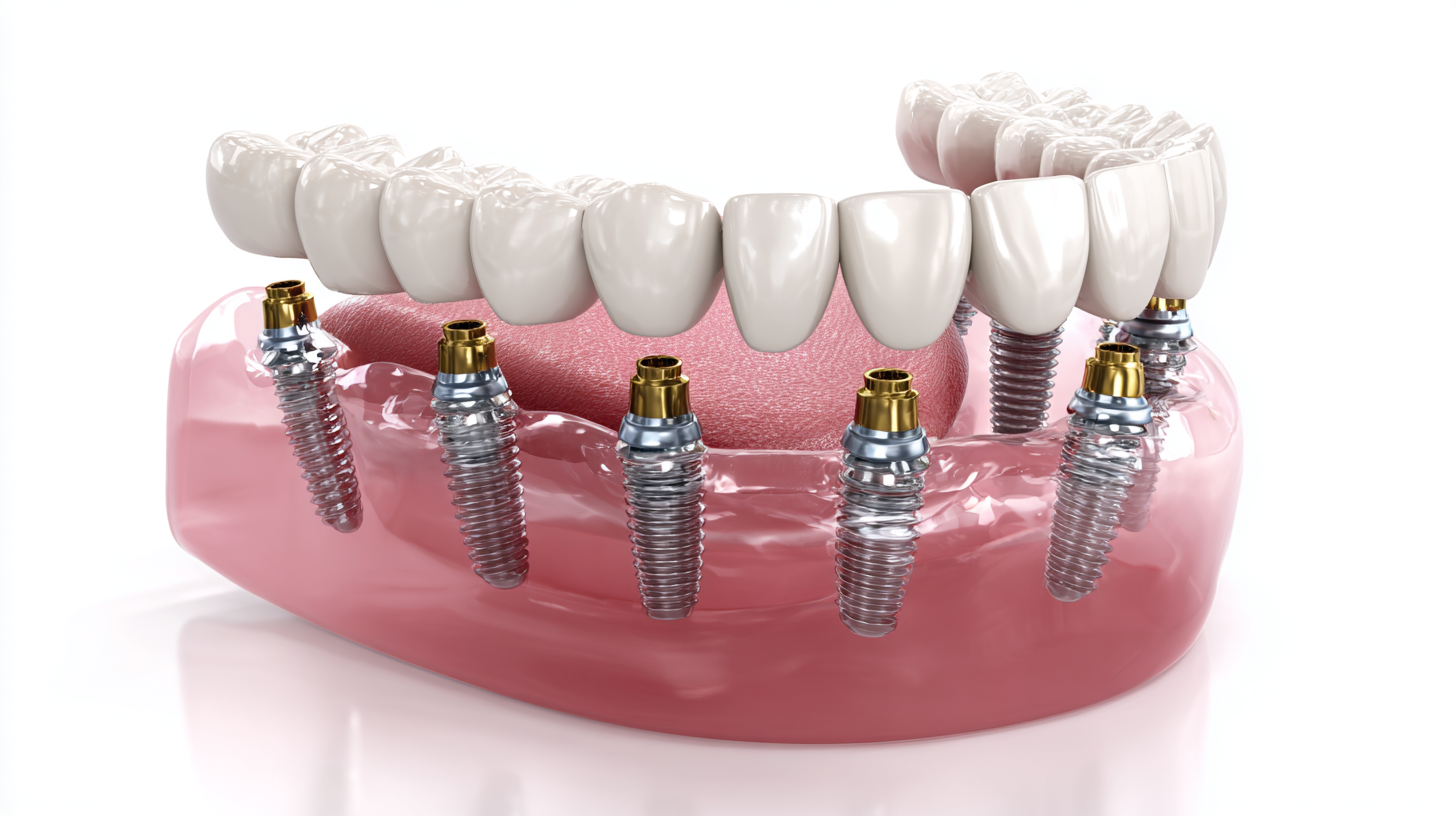
In the ever-changing world of Dental Implants, really getting a handle on Denture Implant Abutments is super important for buyers around the globe looking for top-notch options. Since it started out back in 2012, Zhejiang Trusyou Medical Instruments Co., Ltd.has been leading the way as a tech-savvy company, blending research, design, manufacturing, and sales of some really advanced dental Implant Systems. Think of this guide as your go-to checklist—it’s packed with info to help dentists and procurement pros understand the ins and outs ofDenture Implant Abutments. Because of our deep experience with surgical tools and our dedication to providing complete digital solutions, we hope to make your buying process smoother and help ensure your patients get the best results possible with dental implants.
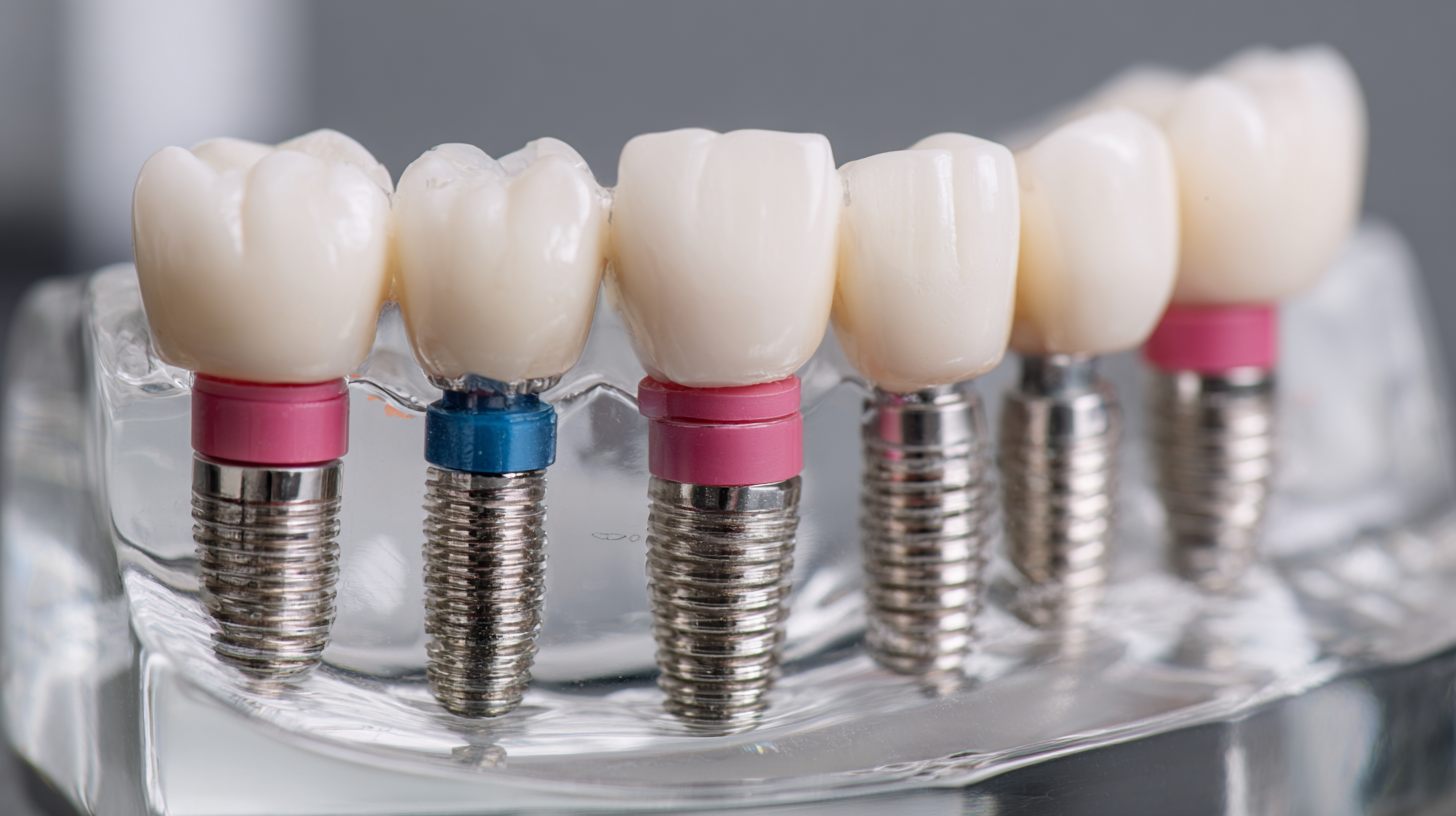
Denture implant abutments are pretty important when it comes to how effective your dental implant is gonna be. Think of these connectors as the bridge—they link the implant screw, which is screwed into your jawbone, to the teeth or dentures that you actually see. Knowing about the different types—like rounded, angled, or custom abutments—can really help you make smarter decisions that fit your specific situation. Each type has its own purpose, whether it’s providing a solid base for full dentures or improving how things look with individual implants.
When you’re choosing an abutment, there are a few things to keep in mind—materials, the angle of your implant, and what kind of restoration you need. For instance, titanium abutments are pretty popular because they’re strong and friendly to your body. And if you’ve got unique needs, custom abutments can be made just for you, offering a fit that’s both functional and looks good.
**Pro tip:** Make sure to chat with your dentist or dental specialist—they’ll help you figure out what kind of abutment works best for your treatment plan. Also, don’t forget that taking good care of your implants long-term is key; proper maintenance can seriously boost how long your abutments and dentures last. And a quick heads-up—costs can vary depending on the type of abutment you go with, so keep that in mind when planning your budget.
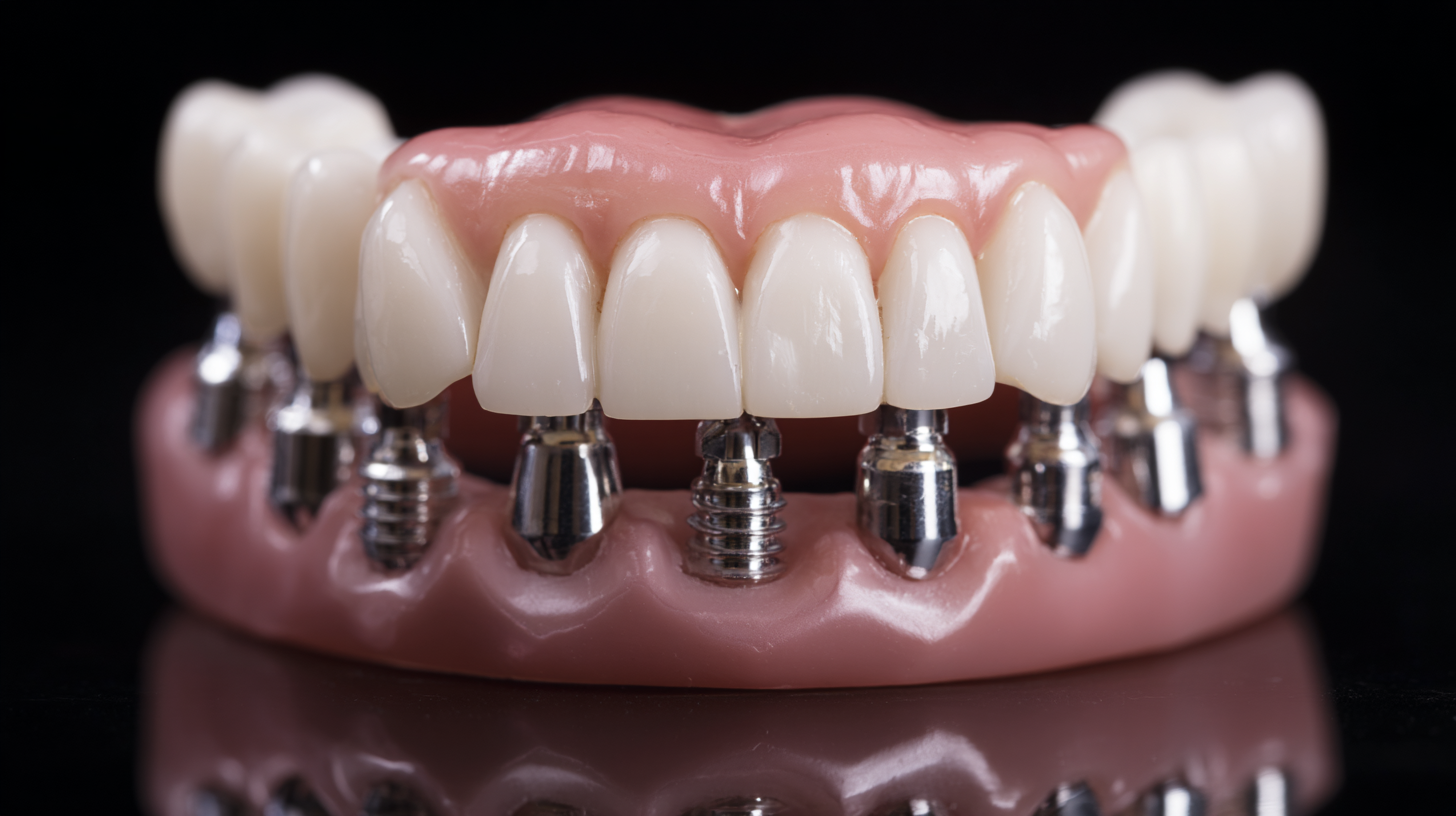
When you're trying to pick out the right denture implant abutments, there are quite a few things you really want to keep in mind—because messing this up can seriously impact how well your dental restoration turns out. First off, it's super important to make sure that the abutment is compatible with your specific implant system. You see, different implants can have different designs, connection types, and sizes, so grabbing abutments that are made for your implant makes sure everything fits securely and works smoothly. It’s a good idea to check out the manufacturer’s recommendations, too—that way, you’re making informed choices and dodging costly mistakes early on.
Another thing to think about is what material the abutment is made of. Usually, you’ve got options like titanium or zirconia, and each of these has its perks. Titanium is tough, long-lasting, and really friendly with your tissues, so it’s a solid all-around choice. Zirconia, on the other hand, is great if you’re worried about how it looks—since it mimics the natural tooth color and looks pretty natural in visible areas. Honestly, figuring out what’s more important to you—whether it’s functionality or aesthetics—can help you decide what material fits best. In the end, understanding the compatibility stuff and knowing the pros and cons of each material is key to picking out the right abutments that will meet both your dental needs and personal style.
When you're choosing denture implant abutments, it's pretty important to get a good handle on what the top brands are offering. For folks around the world, understanding the differences can really make a difference when it comes to quality and how long things last. I read in a report from Grand View Research that the global dental implant market is heading toward a hefty USD 12.81 billion by 2028. That's mostly because of all the new tech coming out in dental care and more people wanting stuff done to restore their smiles. Now, within all this, the abutments you pick really matter — they can make or break the success of the implant in the long run.
Nobel Biocare, Straumann, and Zimmer Biomet all have their own lines of abutments, each with their own special features. For example, Nobel Biocare is known for using certain materials that help the implant fuse better with the bone, giving a more secure base for the fake tooth. A study in the Journal of Oral Implantology even found that implants with Nobel Biocare abutments had a 97% success rate over five years — not too shabby! On the other hand, Straumann’s tissue-level abutments focus more on keeping the surrounding soft tissues healthy, which is super important if you care about how everything looks and how happy your patients are. These differences just go to show that it really pays to consider what each case needs and pick the right brand to get the best results in implant dentistry.
Getting denture implant abutments fitted is a pretty key step if you’re aiming for a smile that's both functional and looks great. It all starts with your dentist doing a thorough exam—sometimes that means taking X-rays or CT scans—to figure out the best type of abutment for you and to make sure everything lines up perfectly with the implants that are already in place. Once they know what they’re working with, they’ll prepare the site. This usually involves making a small cut in your gums to gently expose the implant. Then, the dentist carefully attaches the abutment, often using a special torque wrench to make sure it’s on tight and secure. After that, they might place a healing cap to help your tissue recover smoothly. The final step is stitching things up, and you’ll get instructions on how to take care of everything during healing—stuff like keeping it clean and avoiding certain foods. All of this might seem like a lot, but it really helps ensure your implants last longer and function properly, letting you enjoy a confident, natural-looking smile.
Taking good care of your denture implant abutments is super important if you want them to last and work well. Did you know that, according to the American Academy of Implant Dentistry, about 29% of folks with implants run into some kind of complication? Because of that, staying on top of regular maintenance really pays off. Simple daily habits like brushing around the abutments and using an antimicrobial mouthwash can go a long way in preventing issues like peri-implantitis — that’s the fancy term for inflammation happening around your implant tissues.
Also, don’t forget those dental visits! Seeing your dentist every six months for a check-up is key. A study in the Journal of Dental Research showed that catching problems early can boost the success rate of implants to over 95%. During those visits, professionals do cleanings and check if everything’s secure and working as it should. Basically, taking these small steps not only helps your abutments stay in good shape longer, but it also keeps your overall implant system healthy. Trust me, a little regular maintenance makes a big difference!
The global market for denture implant abutments is really going through some exciting changes right now, thanks to ongoing tech advancements that are reshaping everything. If you look at the forecasts, the overall dental implants market is expected to skyrocket, hitting around $8.17 billion by 2032. A big part of this growth comes from more folks wanting innovative dental solutions, especially since people today really care about not just functionality but also how their teeth look.
It’s important for anyone involved in this space to stay on top of the latest trends in denture implant abutment tech. For example, one trend that’s really gaining traction is the use of CAD/CAM technology. By 2032, it’s projected to bring in roughly $5.5 billion in revenue. What’s cool about this is that it helps make restorations more precise, which means better fit, improved function, and a more natural look for patients.
**A couple of tips:** When you’re exploring different options for denture implant abutments, pay close attention to the materials used—advancements in biocompatibility are a game changer for patient comfort and success. Also, it’s a smart move to keep yourself updated on new tech emerging in the field. This way, you can make smarter choices that better meet your clients’ needs. And don’t forget, working with suppliers who offer good support and education can really make the whole process smoother and more successful.
: The first step is a thorough assessment by a dental professional to determine the right type of abutment for the patient's needs, often involving imaging techniques like X-rays or CT scans.
The dentist prepares the implant site by gently exposing the implant through a small incision in the gum tissue.
A specialized torque wrench is commonly used to ensure that the abutment is securely fastened to the implant.
The healing cap is placed to aid in the recovery process after the abutment is secured.
Patients should have routine dental check-ups every six months to monitor the condition of their abutments and implants.
Daily practices like brushing around the abutments and using antimicrobial mouthwash can significantly reduce the risk of complications like peri-implantitis.
Around 29% of patients may experience complications related to implant components, highlighting the importance of regular maintenance.
Early detection of potential problems can improve the success rate of implants to over 95%, making routine check-ups crucial.
Preventive measures include daily oral hygiene, routine dental check-ups, professional cleanings, and assessments to ensure abutments are secure and functioning properly.
When it comes to dental solutions, getting a good grip on Denture Implant Abutments is pretty important—for both dentists and patients alike. This guide aims to break down the different types and how they work, making it easier for folks to figure out what’s best for their unique needs. We also take a look at some of the top brands out there, sharing helpful insights so you can make smarter choices. Plus, we walk through the installation process step-by-step, so practitioners can get it right without any fuss. If you’re wondering how to keep these abutments in shape and last longer, we’ve got some practical tips for that too. And of course, we touch on the latest trends and coming innovations in this field, because things are always changing. At Zhejiang Trusyou Medical Instruments Co., Ltd., they’re really dedicated to staying ahead in high-quality dental implant systems and serving clients worldwide with the newest technology. It’s all about helping everyone get the best smile possible.