Inquiry
Form loading...
0%

Picking the right abutment dental solutions is super important if you want to give your patients top-notch care. With so many options out there, it really helps to understand what benefits each kind offers—so you can make smarter, more informed choices that fit your practice’s specific needs. Abutment components are like the backbone of successful Dental Implants, playing a huge role not just in how well they work but also in how good they look. Here at Zhejiang Trusyou Medical Instruments Co., Ltd., we get how vital it is to provide high-quality abutment solutions that keep up with what dentists around the world need. Since we started back in 2012, we’ve been all about innovation and delivering the best—constantly pushing ourselves to incorporate the latest research and tech into our implant systems and surgical tools. In this post, I’ll share five key tips to help you pick the right abutment solutions for your practice—so you can achieve the best results for your patients and feel confident in your choices.
5 Essential Tips for Choosing the Right Abutment Dental Solutions for Your Practice

Understanding the Role of Abutments in Dental Solutions

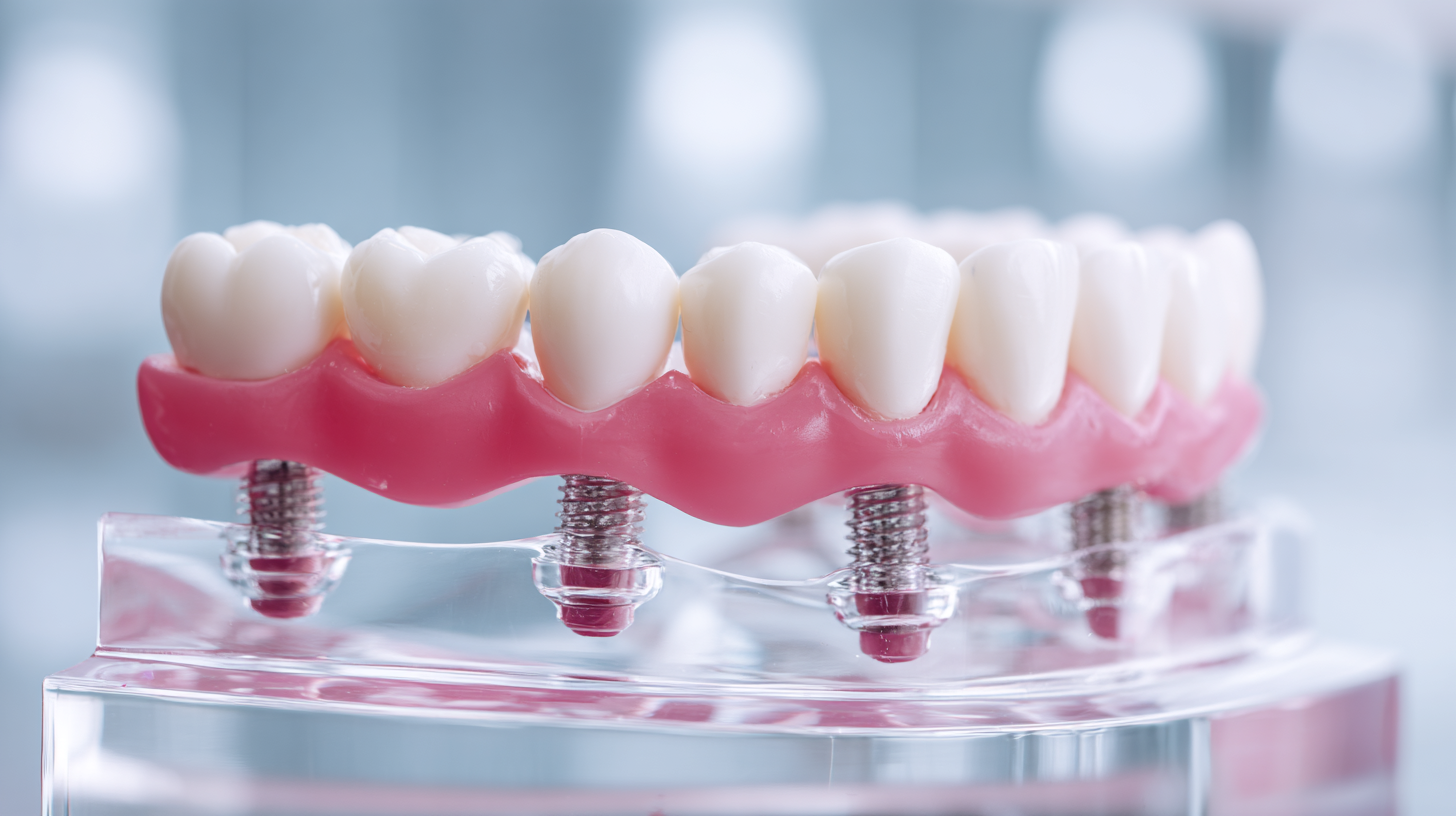
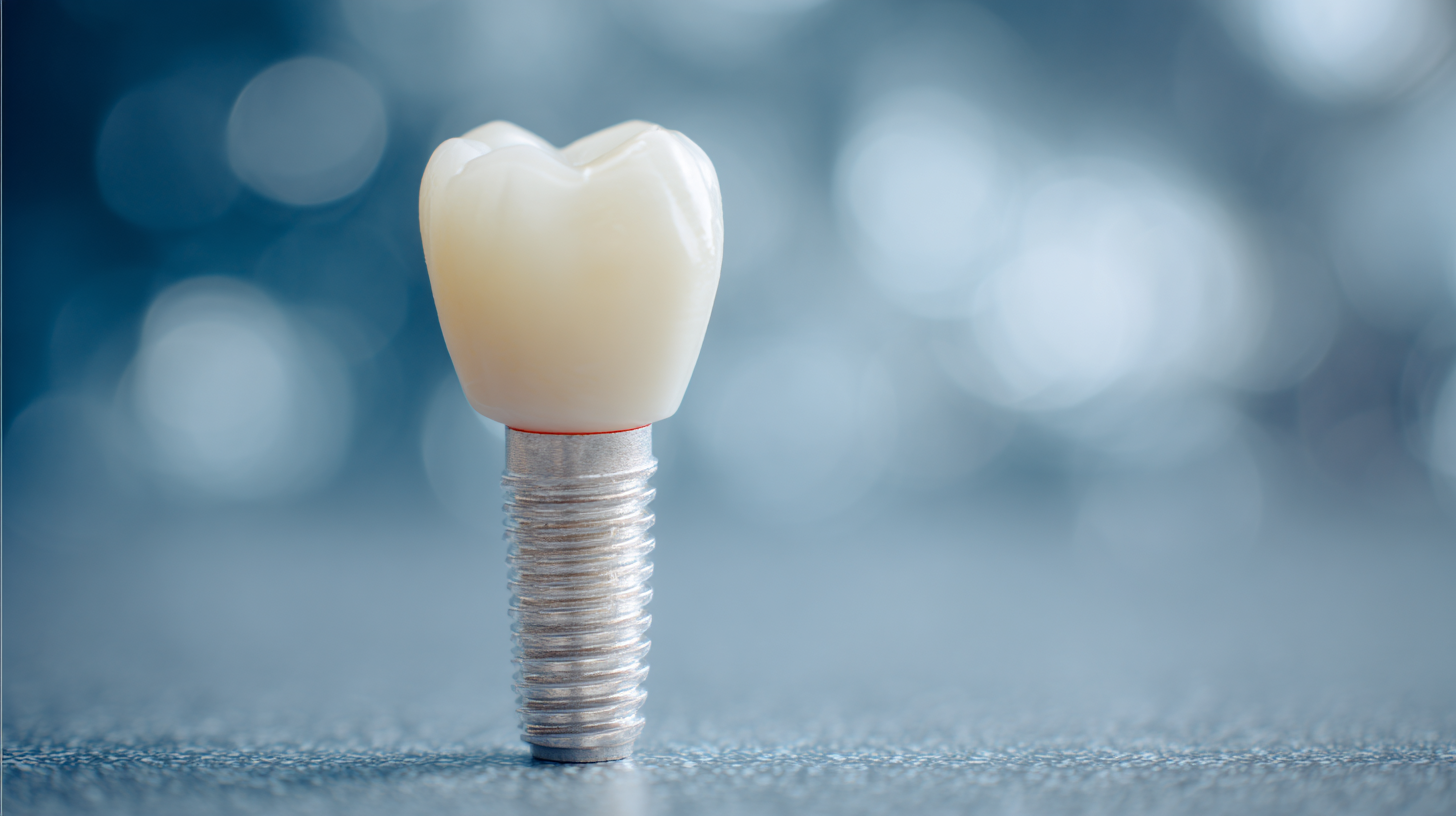
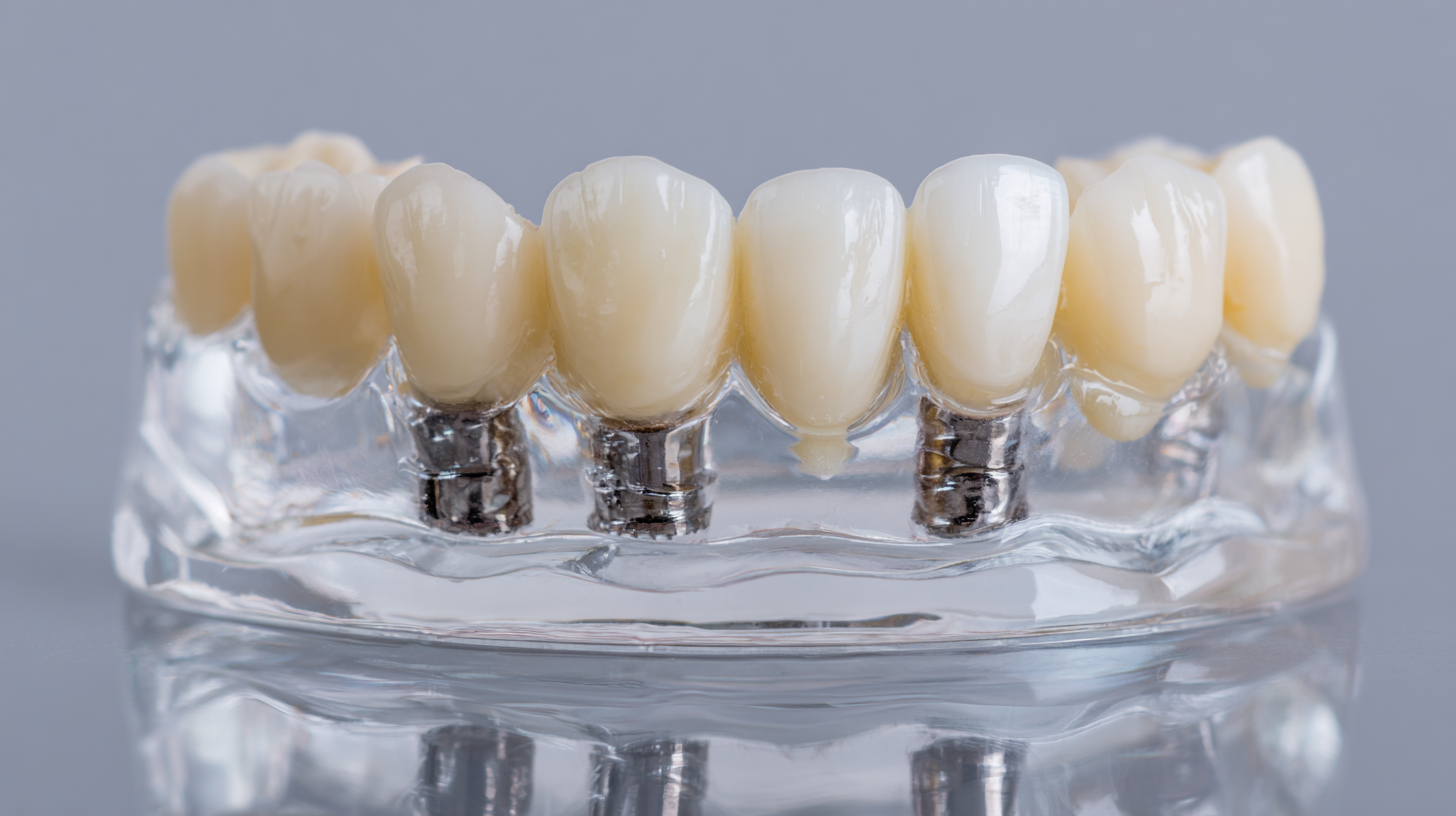
Abutments might not be the most glamorous part of dental work, but trust me, they’re absolutely essential. They kinda act like the bridge between the implant itself and the crown or bridge you end up seeing and chewing on. Picking the right abutment is super important — it can really make or break how long your restoration lasts and how good it looks and functions. When you choose the right one, it just boosts everything — aesthetics, stability, you name it. That’s why dentists really need to be familiar with all the different options out there.

One thing to think about when choosing an abutment is the material. Titanium’s a go-to because it’s strong and gets along well with the body, but zirconia is also gaining popularity—especially if you’re after a more natural look in front teeth. Another key point is the angulation; making sure the angle of the abutment aligns well can really help reduce complications and ensure the final prosthesis looks and fits just right.

And don’t forget about the connection type with the implant. A screw-retained abutment can be a lifesaver if you ever need to access or adjust things later on — it’s way easier to retrieve. On the flip side, cement-retained options can give you a sleeker, more natural look, especially when esthetics are a top priority. Bottom line: knowing these different factors makes a huge difference in delivering top-notch care to your patients.

5 Essential Tips for Choosing the Right Abutment Dental Solutions for Your Practice

Tip Description Considerations Recommended Material
1. Assess Clinical Needs Evaluate the specific clinical cases to determine the best abutment type. Patient's bone quality and restoration type. Titanium or Zirconia
2. Consider Customization Choose abutments that can be tailored to fit unique patient anatomy. Need for specific angles or heights. Custom Titanium Abutments
3. Evaluate Connectivity Ensure proper compatibility with implants and restorative components. Implant system compatibility. Standardized Connection Types
4. Know the Aesthetic Requirements Choose abutments that enhance the aesthetic outcome of the final restoration. Location and visibility of the restoration. Zirconia Abutments
5. Consider the Cost-Benefit Ratio Analyze the cost versus the benefits of each abutment type for your practice. Overall budget and expected outcomes. Economical Titanium Abutments

Key Factors to Consider When Selecting Abutment Materials

When choosing materials for dental abutments, dentists really need to think about a few key things to make sure their patients get the best results. First off, biocompatibility is a huge deal. I mean, according to a study in the Journal of Prosthetic Dentistry, titanium and zirconia are pretty much the go-to options—mainly because they play well with body tissues and don’t corrode easily. That’s a big plus because it helps the healing process and keeps the chances of nasty reactions low, making them great choices for the long haul.

5 Essential Tips for Choosing the Right Abutment Dental Solutions for Your Practice

Comparing Different Abutment Design Options for Diverse Cases

When you're trying to pick the right abutment design for different cases in your dental practice, it's super important to really understand the differences between the various options out there. Each type of abutment comes with its own set of applications, pros, and potential quirks. For example, screw-retained abutments are often the go-to because they're easy to remove if needed—great for cases where you might want to do some future tweaks or repairs. On the other hand, cement-retained abutments tend to look more natural in certain situations, especially when you’re concerned about the emergence profile, making the final restoration look seamless and realistic.

5 Essential Tips for Choosing the Right Abutment Dental Solutions for Your Practice

One thing I’d definitely recommend is thinking about what your patients actually need. Every patient has their own unique anatomy, and that can really influence which abutment works best. For instance, patients with limited space or tricky anatomy might benefit from custom abutments—they tend to fit better and work more smoothly.

And don’t forget to check that the abutments you choose are compatible with the various implant systems you're using. Making sure they match up properly helps you avoid any headaches down the line and ensures reliable results. Staying up-to-date with the latest in abutment tech is also a smart move—this way, you can really tailor your approach to fit the diverse needs of your practice and, ultimately, give your patients a better experience.

Evaluating the Compatibility of Abutments with Implant Systems

When you're choosing abutment options for your dental practice, it’s super important to think about how well they work with your implant systems. Every implant system is a bit different — they’ve got their own designs and specs that can really affect how well your restorations hold up and how long they last. So, taking the time to do a bit of research on the available abutments for your specific implant system is a smart move. You’ll want to pay attention to things like the connection types, the height, and the angles of the abutments because these details can really impact how well everything fits and functions.

Beyond just the technical specs, don’t forget to look at what materials the abutments are made from. Good quality materials can make a big difference — they help your restorations last longer and can lower the chances of problems like implant failure or peri-implantitis. It’s also a good idea to work with reputable manufacturers who give clear guidance on compatibility, which makes the whole process way easier. When you choose abutments that match up perfectly with your existing implant systems, you'll see better results for your patients and keep your practice running smoothly. Honestly, taking these steps makes all the difference in the long run!

5 Essential Tips for Choosing the Right Abutment Dental Solutions for Your Practice

Future Trends in Abutment Design and Technology for Dental Practices

The future of abutment design and tech is moving super fast, opening up more possibilities for smarter, more effective dental treatments. You know, as materials like titanium, ceramics, and stainless steel keep getting better, dentists and specialists can look forward to abutments that not only last longer but also look better. Plus, there’s a wider variety of options now, so they can match up with each patient's style and needs more easily.

On top of that, new design approaches—like non-removable and removable abutments—are really changing the game. They’re all about making things work smoothly while fitting in seamlessly with orthodontic devices. It’s a huge plus for practitioners who want to get things done faster and more efficiently. And let’s not forget how digital tech is playing a big role now. With more precise, customized designs being possible, patient care and satisfaction are stepping up big time. As these trends keep evolving, dental practices that jump on the latest abutment tech will be in the best spot to meet what today’s dentistry demands.

FAQS

: What is the primary role of abutments in dental solutions?

: Abutments serve as connectors between dental implants and prosthetic devices, such as crowns or bridges, playing a crucial role in the success and longevity of dental restorations.

What materials are commonly used for abutments, and what are their advantages?

Titanium is commonly used due to its biocompatibility and strength, while zirconia offers excellent esthetics, especially in anterior restorations.

How does the choice of abutment angulation impact dental restorations?

Choosing the ideal abutment angle can minimize the risk of complications and improve the alignment of the final prosthesis.

What is the difference between screw-retained and cement-retained abutments?

Screw-retained abutments provide easier access for retrievability, while cement-retained options enhance esthetic results in specific cases, particularly where the emergence profile is critical.

Why is it important to consider individual patient needs when selecting abutment designs?

Every patient has unique anatomical characteristics that can influence the suitability of particular abutments, allowing for optimal fit and function in their dental solutions.

What advancements in abutment technology are expected in the future?

Future trends include improved materials for durability and aesthetics, innovative designs like non-removable and removable abutments, and the integration of digital technology for precision and customization in design.

How does compatibility of abutments with implant systems affect dental practice?

Evaluating the compatibility ensures reliable solutions across different cases and enhances the overall patient experience by meeting diverse needs.

What impact does digital technology have on abutment design?

The integration of digital technology allows for greater precision and customization in abutment design, ultimately elevating patient care and satisfaction.

What should practitioners stay informed about regarding abutment technologies?

Practitioners should stay updated on the latest advancements in abutment technologies to better cater to diverse patient needs and enhance practice effectiveness.

What is the significance of custom abutments in dental practice?

Custom abutments are beneficial for patients with limited space or complex anatomical structures, allowing for improved fit and function tailored to individual needs.

Conclusion

Picking the right abutment solutions for dental implants isn’t something to take lightly if you want to really give your patients the best care possible. Getting a good handle on what abutments actually do in dental implants lays the groundwork for making smarter choices. You’ll want to carefully consider things like the materials used, how well they match up with different implant systems, and what design options are out there. These factors aren’t just details — they play a big role in whether the implant will be successful in the long run, and whether the restoration will last and function smoothly.

Looking ahead, staying up-to-date on the latest trends in abutment design and tech can really help dentists and dental teams offer top-notch, advanced solutions to their patients. Zhejiang Trusyou Medical Instruments Co., Ltd. is all about supporting dental professionals with innovative abutment products that fit right into their existing workflows — making sure they can handle all kinds of clinical situations without a hitch.

Sophie

Sophie

Sophie is a dedicated marketing professional at Zhejiang Zhuoshi You Medical Devices Co., Ltd., where she plays a crucial role in promoting the company’s innovative healthcare products. With a profound understanding of the medical device industry, she specializes in creating engaging blog posts......
Previous Global Insights on Full Mouth Dental Implants Market Trends for 2025