When it comes to dental restorations, using Dental Healing Caps effectively can really make a difference in patient outcomes and speed up recovery. Dr. Emily Carter, who’s a pretty well-known expert in restorative dentistry, stresses how important it is to apply these caps correctly. She mentions, “Getting a Dental Healing Cap set up right not only safeguards the surgical site but also helps tissues heal and grow back beautifully.” As the dental world keeps advancing, it’s more important than ever for both dentists and patients to understand how to get the most out of these caps.
Dental healing caps are a crucial part of the Dental Implant process. They’re designed to help soft tissue heal properly while also supporting and protecting the implant underneath. When used properly, they can improve how the final results look and boost the success rate of dental implants. That said, a lot of dental pros still find some of the application tricky. So, in this article, I’ve put together ten handy tips to help practitioners get the most out of these caps. By following these, dentists can do a better job and make sure their patients leave with happy, healthy smiles.
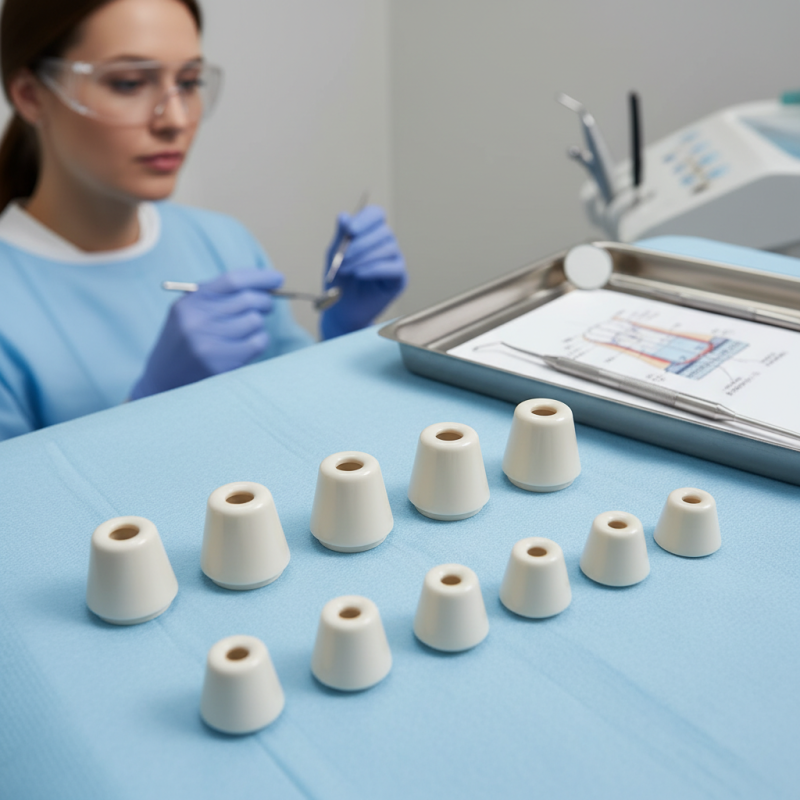
Dental healing caps, often referred to as Healing Abutments, play a crucial role in the dental implant process. These devices are strategically placed on the dental implants after they have been inserted into the jawbone, promoting proper healing and gum tissue development. According to a study published in the Journal of Oral Rehabilitation, approximately 95% of dental implants placed in healthy patients remain functional for over ten years, highlighting the importance of ensuring optimal healing conditions immediately post-surgery. Healing caps facilitate this by allowing the gum tissue to form accurately around the implant, ensuring a proper fit for the final prosthesis.
The primary purpose of dental healing caps is to shape the surrounding soft tissue and create a natural emergence profile, which is vital for the aesthetic success of the final restoration. Research from the International Journal of Periodontics and Restorative Dentistry emphasizes that proper use of healing caps can significantly minimize complications such as infection or tissue overgrowth. When utilized correctly, healing caps can reduce the need for additional surgical procedures, which can account for about 20% of the overall treatment costs in complex cases. As a result, understanding the function and application of these devices not only enhances patient outcomes but also contributes to more efficient and cost-effective dental care.
When it comes to dental healing caps, selecting the right type is crucial for ensuring optimal recovery. Dental professionals emphasize that the choice of healing cap can significantly impact the success of dental procedures, particularly implant placements. According to a study published in the Journal of Prosthetic Dentistry, the right healing cap can enhance osseointegration—where the bone grows into the implant—by up to 30%. This is largely due to the design and material used in the caps, which can facilitate tissue healing and reduce inflammation.
In addition to the physical characteristics, patients must also consider their specific dental needs when choosing a healing cap. Factors such as the location of the implant, the type of procedure performed, and individual healing capacities should guide the selection process. The American Academy of Implant Dentistry reports that personalized treatment plans, which include tailored healing cap choices, result in a 20% higher patient satisfaction rate and lower complication risks. Therefore, consulting with a dental professional to assess these factors can lead to improved healing outcomes and better overall experiences in post-operative care.
| Tip Number | Tip Description | Type of Healing Cap | Recommended Use |
|---|---|---|---|
| 1 | Choose the right size for comfort. | Standard Healing Cap | Post tooth extraction |
| 2 | Consider a tapered healing cap for hard-to-reach areas. | Tapered Healing Cap | Implant sites |
| 3 | Use a soft cap to minimize irritation. | Soft Healing Cap | Sensitive gums |
| 4 | Opt for a ventilated cap to promote healing. | Ventilated Healing Cap | After surgical procedures |
| 5 | Select a cap with antimicrobial properties. | Antimicrobial Healing Cap | High-risk patients |
| 6 | Follow your dentist's instructions closely. | General Cap | Standard recovery |
| 7 | Replace caps as recommended to ensure hygiene. | Disposable Healing Cap | Daily use |
| 8 | Avoid excessive pressure on the cap. | Reinforced Healing Cap | For active patients |
| 9 | Keep the cap clean and dry. | Silicone Healing Cap | Post-operative care |
| 10 | Monitor for signs of infection or irritation. | Diagnostic Healing Cap | Consultation scenarios |
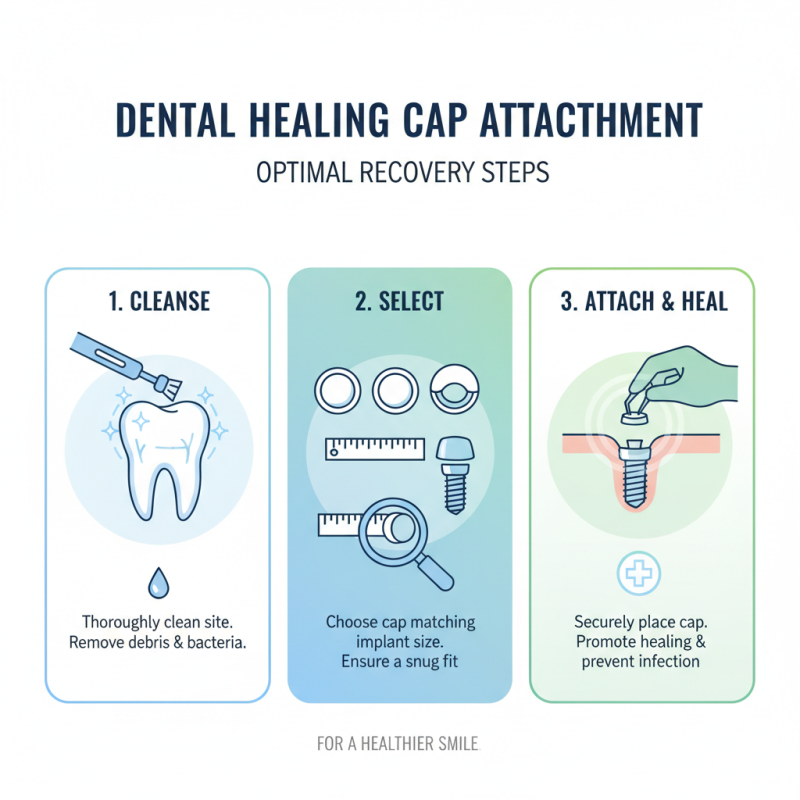
When it comes to attaching dental healing caps, ensuring a correct fit is essential for optimal recovery and functionality. Begin by thoroughly cleaning the dental site to eliminate any debris or bacteria that could interfere with the attachment process. This preparation step is crucial, as it minimizes the risk of infection and promotes healing. Once the area is clean, select the healing cap that matches the dimensions required for the implant, ensuring a snug fit.
With the correct cap in hand, gently position it over the implant site, making sure to align any grooves or markers designed to guide the attachment. Apply even pressure while securing the healing cap in place, allowing it to rest comfortably without forcing it. After attachment, it's important to monitor the site for any signs of discomfort or complication, which can be managed promptly with the help of a dental professional. Taking these steps will help ensure that the healing cap serves its purpose effectively, facilitating the healing process while protecting the underlying dental work.
Maintaining oral hygiene while using dental healing caps is crucial for a successful recovery and optimal health. Healing caps, often used after dental implants or surgeries, provide protection to the underlying structures while promoting healing. However, they can also create challenges in maintaining good oral hygiene, as food particles and bacteria may accumulate around them. It is essential to implement a rigorous oral care routine that adapts to the presence of these caps.
To ensure cleanliness, gently brush the teeth and the areas around the healing caps twice a day using a soft-bristled toothbrush. Incorporating an antimicrobial mouthwash into your routine can help reduce bacteria that may contribute to infection. Additionally, using interdental brushes or dental picks can aid in cleaning hard-to-reach areas without damaging the caps. It is also advisable to floss carefully to avoid dislodging the caps and to maintain the health of adjacent teeth and gums. Regular visits to the dentist for professional cleaning and check-ups will further support your oral hygiene efforts during this healing period.
Monitoring your healing progress when using dental healing caps is crucial for ensuring optimal recovery. One of the key signs to watch for is swelling in the area surrounding the cap. Mild swelling is normal initially, but if it persists or worsens, it might indicate a complication. Additionally, keeping track of any changes in pain levels is important; while some discomfort can be expected, increasing pain could signal a need for professional evaluation.
Incorporating effective tips into your routine can help enhance the healing process. Start by maintaining excellent oral hygiene; gently brushing around the healing cap can help prevent infection. Also, consider adjusting your diet to include softer foods that minimize irritation to the area. Remember to be patient as healing takes time, and avoid any activities that may disrupt the caps, such as aggressive chewing.
Another essential aspect is to keep a diary of your healing journey. Documenting observations about the healing site, including any unusual sensations, can provide valuable insight into your recovery. Regularly reviewing this diary with your dentist can help identify patterns and concerns that may require attention, ensuring a smoother healing experience.
When you receive dental healing caps, often used in restorative procedures such as implants or crowns, it’s crucial to understand when to consult your dentist. According to the American Dental Association, approximately 5-15% of patients experience complications during the healing process, some of which can be indicated by discomfort or abnormal symptoms. If you notice persistent pain, unusual swelling, or drainage around the healing cap, these could be signs of infection or misalignment, necessitating immediate consultation with your dentist.
Furthermore, it’s important to seek professional advice if you experience any significant changes in your oral health during the process. The Journal of Dental Research indicates that timely intervention can significantly improve healing outcomes and reduce the risk of complications. If your healing cap feels loose or if there's a change in color or texture, these issues could indicate a need for adjustment or replacement. Always keep a line of communication open with your dental care provider to ensure the best possible outcome following your treatment and to address any concerns you might have about your healing cap.
When using dental healing caps, managing discomfort is crucial for a smooth recovery process. One effective method is to apply a cold compress to the outside of the cheeks near the area of discomfort. This can help reduce swelling and numb the sensation, providing immediate relief. Additionally, over-the-counter pain relievers can be beneficial, but it's important to follow dosage instructions and consult a healthcare professional if pain persists. Keeping the head elevated, especially when resting or sleeping, can also minimize swelling and discomfort during the healing phase.
Promoting healing with dental caps goes beyond managing discomfort. Maintaining good oral hygiene is essential to prevent infection and ensure a quicker recovery. Gently rinsing the mouth with warm salt water can help keep the area clean while also providing antiseptic benefits. It's also advisable to avoid hard, sticky, or overly hot foods that might irritate the healing site. Instead, opt for soft, nutrient-rich foods that support the healing process. Regular follow-ups with your dental professional are important to monitor progress and make any necessary adjustments to your care routine.
: The right type of healing cap is crucial for optimal recovery as it can significantly impact the success of dental procedures, particularly implant placements. It can enhance osseointegration, where bone grows into the implant, by up to 30%.
When selecting a healing cap, patients should consider the location of the implant, the type of procedure performed, and their individual healing capacities. These factors help guide the choice to achieve the best recovery outcomes.
Personalized treatment plans that include tailored healing cap choices can lead to a 20% higher patient satisfaction rate and lower risks of complications, as reported by dental professionals.
Patients should consult their dentist if they notice persistent pain, unusual swelling, drainage around the healing cap, or any significant changes in their oral health, as these may indicate complications.
Symptoms such as persistent pain, unusual swelling, drainage, a loose cap, or changes in color or texture could indicate problems that require professional attention.
Timely intervention, when complications arise, can significantly improve healing outcomes and reduce the risk of further complications during the recovery process.
Keeping open communication with the dental care provider ensures that any concerns about the healing cap are addressed promptly, contributing to the best possible outcome following treatment.
Dental healing caps play a crucial role in the recovery process after dental procedures, designed to protect healing tissues and support optimal healing outcomes. Understanding their function and purpose is the first step towards effective use. Choosing the appropriate type of dental healing cap tailored to individual dental needs is essential for ensuring comfort and efficacy. Proper attachment techniques are vital to avoid complications, while maintaining excellent oral hygiene practices will promote healing with the caps in place.
Monitoring the healing process allows patients to recognize signs of improvement or potential issues. If any concerns arise, it’s important to consult your dentist for guidance. Additionally, managing discomfort and promoting healing can be aided by following recommended tips, ensuring a smoother recovery experience. By applying these essential strategies, patients can maximize the benefits of their dental healing caps.