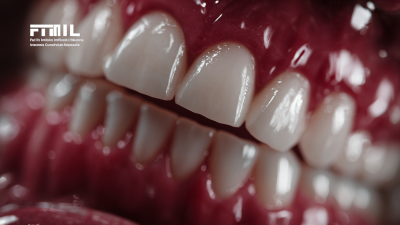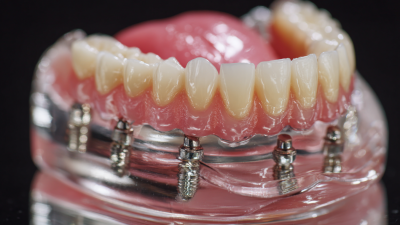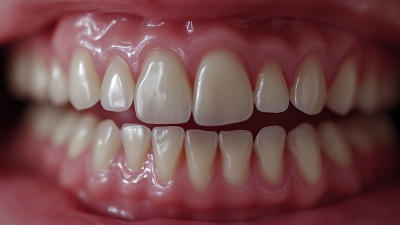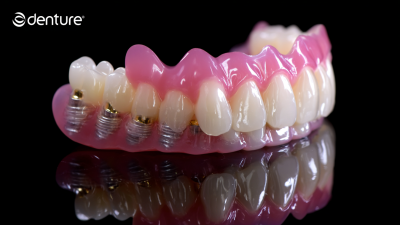
You know, in the fast-changing world of dental solutions, it’s super important to get a grip on all those export and import certifications and compliance standards—it really is the key to opening up global trade, especially when it comes to Denture Implants. With more and more people looking for top-notch dental products, companies like Zhejiang Trusyou Medical Instruments Co., Ltd.are leading the charge. Since 2012, they've been rolling out some really cool Dental Implant systems and surgical tools. This company is a modern, high-tech player that not only focuses on research and development but also brings in the latest design and production techniques to cater to the diverse needs of customers around the globe. By tackling those sometimes complex compliance standards, they can make sure their denture implants are available in markets all over the world. That way, we can all enjoy better access to advanced dental care while also helping the industry grow and stay strong.
You know, in today's fast-paced world of global trade, especially when it comes to the dental industry, really getting to grips with export-import certifications is super important if you want your business to succeed. The World Trade Organization (WTO) actually points out that sticking to international standards can really help cut down trade barriers and make it easier to access new markets. Just think about it: companies that deal with denture implants have to wade through a whole bunch of complicated regulations from organizations like the FDA in the U.S. and the European Medicines Agency (EMA) over in Europe. In fact, a recent study by the International Trade Centre found that around 70% of dental product exports are held up because they don't meet these certification requirements.
But here’s the thing: following these compliance standards doesn’t just help keep denture implants safe and effective. It also builds trust between healthcare providers and patients. A survey from the Dental Trade Alliance shows that roughly 65% of implant manufacturers believe that sticking to strict certification processes helps boost their reputation and even their sales. With markets growing and competition getting tougher, knowing your way around these export-import certifications isn't just a good idea anymore—it's a must if companies want to thrive in the global market.
So, if you're thinking about diving into international markets with denture implants, you really have to get your head around the compliance standards—that's key for making sure your products are top-notch and safe. Each country has its own set of rules that tell you how to certify dental devices. For instance, in the European Union, manufacturers need to snag a CE marking. This little badge indicates that they meet health, safety, and environmental standards. It's not just a matter of checking a box; it helps you look good in the market and gives healthcare providers and patients some peace of mind about how reliable your product is.
On top of the CE marking, many countries also want you to follow ISO standards, which are kind of like the global gold standard for quality management systems and product specs. ISO 13485 is especially important for dental implant makers because it’s all about meeting the regulatory requirements for medical devices. And, hey, if you're eyeing the U.S. market, just know that you’ll have to deal with the FDA’s pretty intense premarket approval process. That means you'll need to submit a bunch of paperwork proving that your device is both safe and effective. So yeah, getting a solid grasp on these compliance standards is absolutely crucial if you want to make a splash in global markets and earn your customers’ trust.
The denture implant market is poised for significant growth by 2025, with projections indicating an expansion from a valuation of $5.2 billion in 2025 to around $9.6 billion by 2034, reflecting a compound annual growth rate (CAGR) of 6.9%. This growth can be attributed to various factors, including rising oral health awareness, advancements in dental technology, and an increasing prevalence of dental diseases. Moreover, the ongoing improvements in surgical procedures and materials are making denture implants more accessible and appealing to a wider demographic.
In tandem with this market boom, the dental sterilization market is also set to flourish, expected to grow from $1.6 billion in 2024 to a more substantial size over the following decade. This surge is driven by the heightened focus on infection control and improving dental practices. As the global population grows and ages, the demand for reliable and effective dental solutions continues to escalate, creating ample opportunities for businesses that understand the complexities of export-import certifications and compliance standards in this competitive landscape.
Getting a grip on the tricky world of global trade in dental products—especially denture implants—really calls for an in-depth understanding of the regulatory hurdles out there. It’s a bit of a maze! Each country tosses its own compliance standards into the mix, dictating how dental devices can be imported or exported. These rules often come with a bunch of certification requirements, product testing, and strict safety protocols. So, if you're a manufacturer or an exporter, it’s super important to keep your finger on the pulse of these varied standards. Otherwise, you're risking some pretty costly delays, and you definitely want to make sure your products fit the bill for entering those foreign markets.
On top of that, the ever-changing nature of global trade agreements can really throw a wrench in things. With shifts happening in tariffs, trade policies, and even international relationships, the way dental products are traded around the world can get pretty complicated. Companies have to juggle keeping up with the laws back home and figuring out the legal landscape of their target markets too. It’s a balancing act, but getting it right is key to avoiding risks and keeping that competitive edge in an industry that’s moving fast. By putting some effort into solid export-import training and building strong relationships with regulatory agencies, businesses can tackle these challenges head-on and open up exciting new markets for their denture implants.
| Aspect | Description | Certification Type | Region |
|---|---|---|---|
| CE Marking | Indicates compliance with health, safety, and environmental protection standards for products sold within the European Economic Area. | Mandatory | European Union |
| FDA Approval | Approval required for dental devices, including denture implants, to ensure they are safe and effective. | Mandatory | United States |
| ISO 13485 | International standard for quality management systems specific to the medical device industry. | Voluntary | Global |
| Health Canada Approval | Regulatory approval for all medical devices sold in Canada, ensuring they meet safety standards. | Mandatory | Canada |
| TGA Approval | Therapeutic Goods Administration regulation for medical devices in Australia, ensuring safety and effectiveness. | Mandatory | Australia |
You know, with the dental implant industry really picking up steam, there are some exciting changes happening. Technology is advancing like crazy, and the international markets are opening up, which means tons of chances for innovation in the denture implant trade. Honestly, the future looks pretty bright! With better materials and techniques rolling out, patients are seeing some great outcomes, and there's definitely a growing demand for high-quality implant solutions. Manufacturers these days are all about designing implants that work seamlessly with existing tech, which really ramps up comfort and functionality for users.
And let’s not forget about the importance of keeping up with global export-import rules and certifications if businesses want to really thrive in this competitive landscape. Knowing these regulations is key—not only does it help maintain quality, but it also ensures that products meet international safety standards. Companies that focus on compliance training and get certified often find they have a leg up, making it easier to break into new markets. With continuous research and investment in innovative practices, the denture implant trade is set for some big changes, opening doors for growth and collaboration across borders!
Exporting dental implants can definitely be a tricky business, but if you want to make it in the global market, you really need to wrap your head around compliance standards. A big part of this puzzle is making sure your products comply with the rules both internationally and locally. Each country has its own set of certification requirements, which usually include things like safety standards, quality control measures, and the necessary paperwork for traceability. Getting a good grasp on these requirements doesn’t just speed up your export process; it also boosts your products' credibility out there on the world stage.
**Here are some handy tips for keeping compliant:**
1. **Do your homework on regulatory requirements:** Before you jump into exporting, take some time to really research the regulations of the country you're sending your products to. Check out government websites and trade associations—they’re pretty useful to stay up-to-date on any changes that might pop up.
2. **Create a solid Quality Management System:** Set up a strong quality management system (QMS) that fits international standards, like ISO 13485. Not only does this make your manufacturing process smoother, but it also boosts your compliance game across the board.
3. **Get some expert help:** Talking to consultants or legal experts who know the ins and outs of medical device regulations can be a game-changer. They can guide you through the tricky compliance waters and make sure all your certifications are sorted before you send your dental implants off overseas.
: The main regulatory challenges include varying compliance standards across countries, certification requirements, product testing, and adherence to safety protocols, which can complicate the import and export of dental devices.
Global trade agreements can impact compliance with regulatory standards through changes in tariffs, trade policies, and international relationships, affecting how dental products are exchanged across borders.
Staying informed about varying regulatory standards is essential to avoid costly delays and ensure that products meet the necessary criteria for entry into foreign markets.
Best practices include researching regulatory requirements, implementing quality management systems aligned with international standards, and seeking expert guidance from consultants or legal experts.
Manufacturers can enhance credibility by ensuring their products meet both international and local regulations, which often include safety standards and quality control measures.
A robust quality management system helps streamline manufacturing processes and strengthens compliance with various regulations, essential for successful exporting.
Businesses can research the regulatory framework of the destination country using resources such as government websites and trade associations to stay informed about compliance changes.
Consultants or legal experts specializing in medical device regulations can provide valuable insights and help ensure that all necessary certifications are in place before exporting.