You know, in the world of dentistry, things are changing pretty fast, especially when it comes to dentures. There are over 10 million Americans wearing them right now, and surprisingly, quite a few folks aren’t totally happy with the traditional options out there. Recent studies even show that almost 70% of denture wearers struggle with speaking and eating—big issues that really highlight the need for better, more advanced implant technology. That’s where Zhejiang Trusyou Medical Instruments Co., Ltd. comes in. Founded back in 2012, they’ve really positioned themselves as a leader in this space, combining research and development, design, manufacturing, and sales all in one place. They focus on creating high-quality Dental Implant systems and surgical tools, especially with digital solutions in mind. Their goal? To improve the patient experience, help people rebuild their smiles with confidence, and push the industry forward with effective, patient-focused implant options.
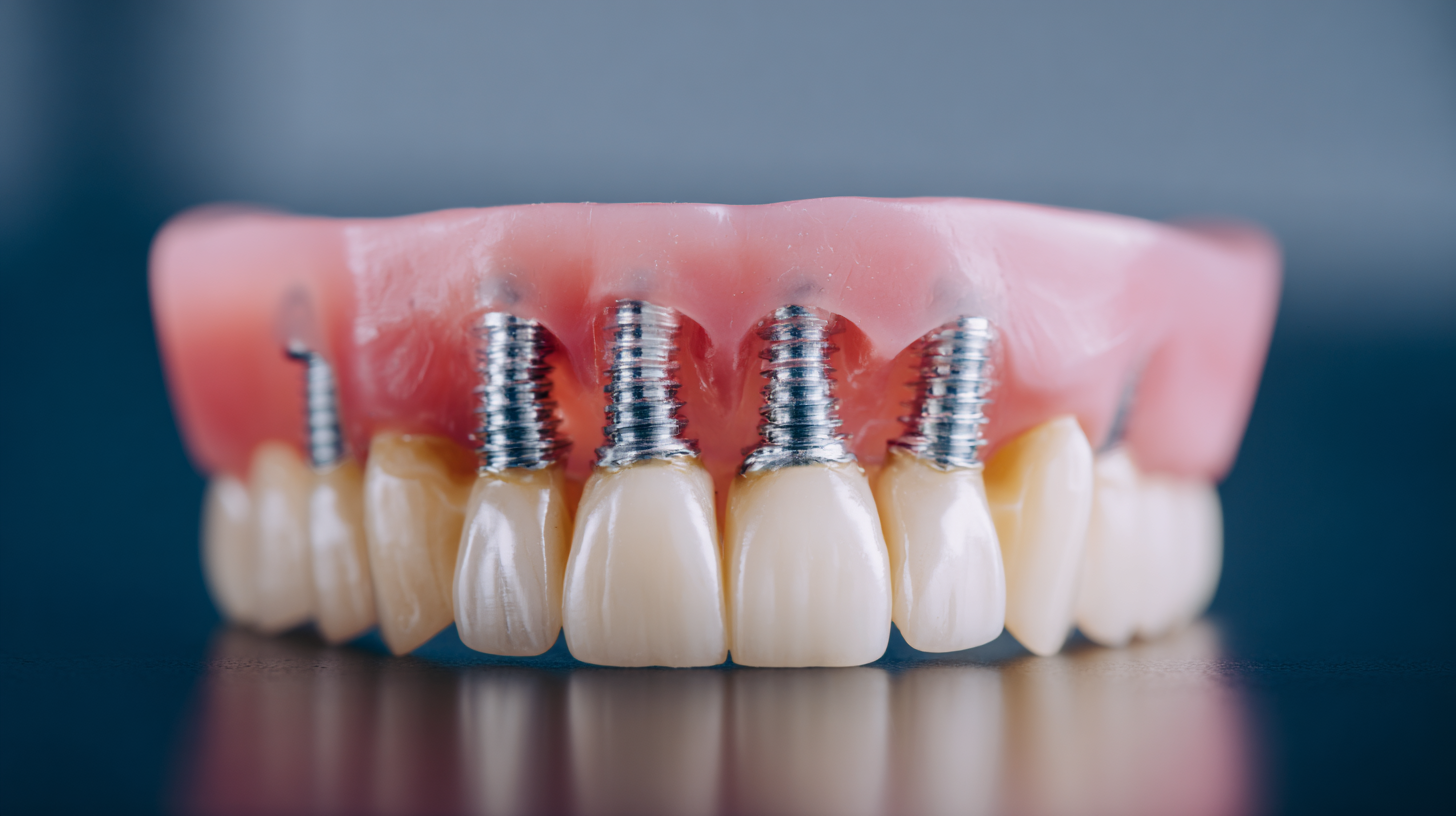
Understanding the Basics: What Are Denture Implants and How Do They Work?
Denture Implants are really agame-changer for anyone looking to get their smile back after losing teeth. Basically, they’re like tiny artificial roots that get anchored into your jawbone, giving you a solid base for either fixed or removable teeth replacements. What’s cool about these implants is how naturally they mimic real tooth roots, which means better function and a more natural look. If you’re wondering how they actually work, it’s all about how the implant fuses with your bone — a process called osseointegration — making sure they’re stable and last a long time.
As dental tech keeps moving forward, we’re seeing some pretty exciting new techniques and materials popping up. Things like 3D printing and robot-assisted surgeries are making placement more precise and personalized. That said, it’s super important for patients to understand that not all procedures go off without a hitch. Sometimes, mistakes made during the implant process—like inexpert placement—can cause problems, even implant failure. So, having skilled, well-trained dentists and knowing what to expect is key to making sure everything turns out great.
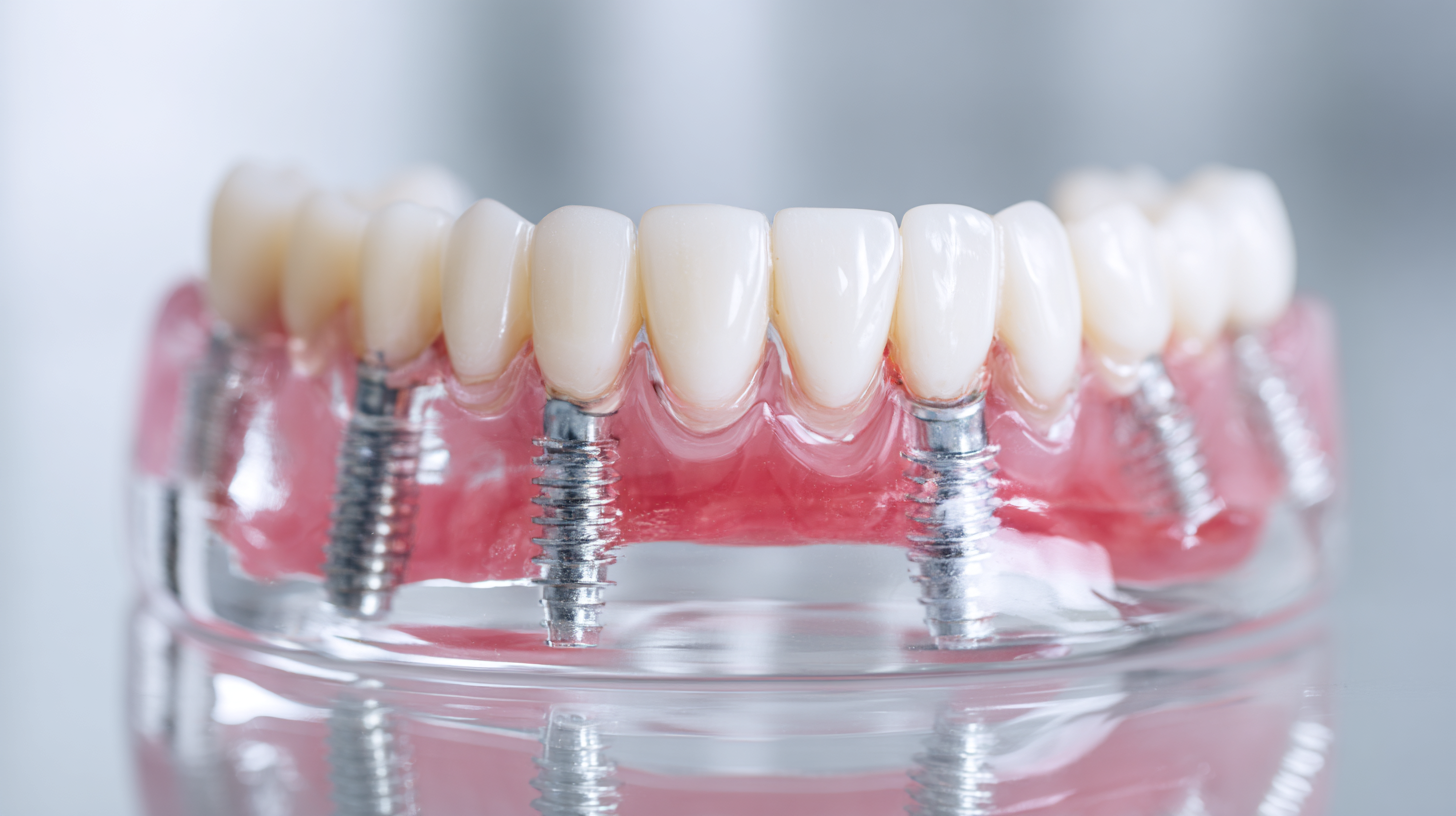
Types of Denture Implants: Which One is Right for Your Needs?
When it comes to selecting the right denture implants, understanding the various types available can significantly impact your decision. There are primarily three categories: conventional dentures, implant-supported dentures, and mini implant dentures. According to a 2021 survey conducted by the American Academy of Implant Dentistry, over 90% of respondents with implant-supported dentures reported a higher satisfaction level compared to those using traditional dentures. This suggests that implant-supported options may be more beneficial for those seeking stability and comfort.
Each type serves different needs and preferences. Conventional dentures are more affordable and suitable for individuals who may not qualify for implants due to bone density issues. On the other hand, implant-supported dentures provide enhanced functionality and aesthetics, allowing for improved chewing and natural appearance. A report published by the Journal of Prosthetic Dentistry indicates that patients with mini implants experienced an 80% improvement in their quality of life regarding oral comfort and functionality. As you consider your options, evaluating your lifestyle, budget, and personal comfort can help determine the most suitable type of denture implant for your smile.
Factors to Consider When Selecting Denture Implants for Your Smile
When you’re choosing denture implants to brighten up your smile, there are a few important things to keep in mind to make sure everything goes smoothly. One big factor is really understanding the quality and amount of your jawbone where the implant will go. Interestingly, a study in the Journal of Oral Implantology found that around 30% of folks might need a bone graft first since their jawbone isn’t quite enough on its own. That's where advanced imaging, like CBCT scans, come in handy—they help both you and your dental team get a clear picture of what's really going on with your bone health.
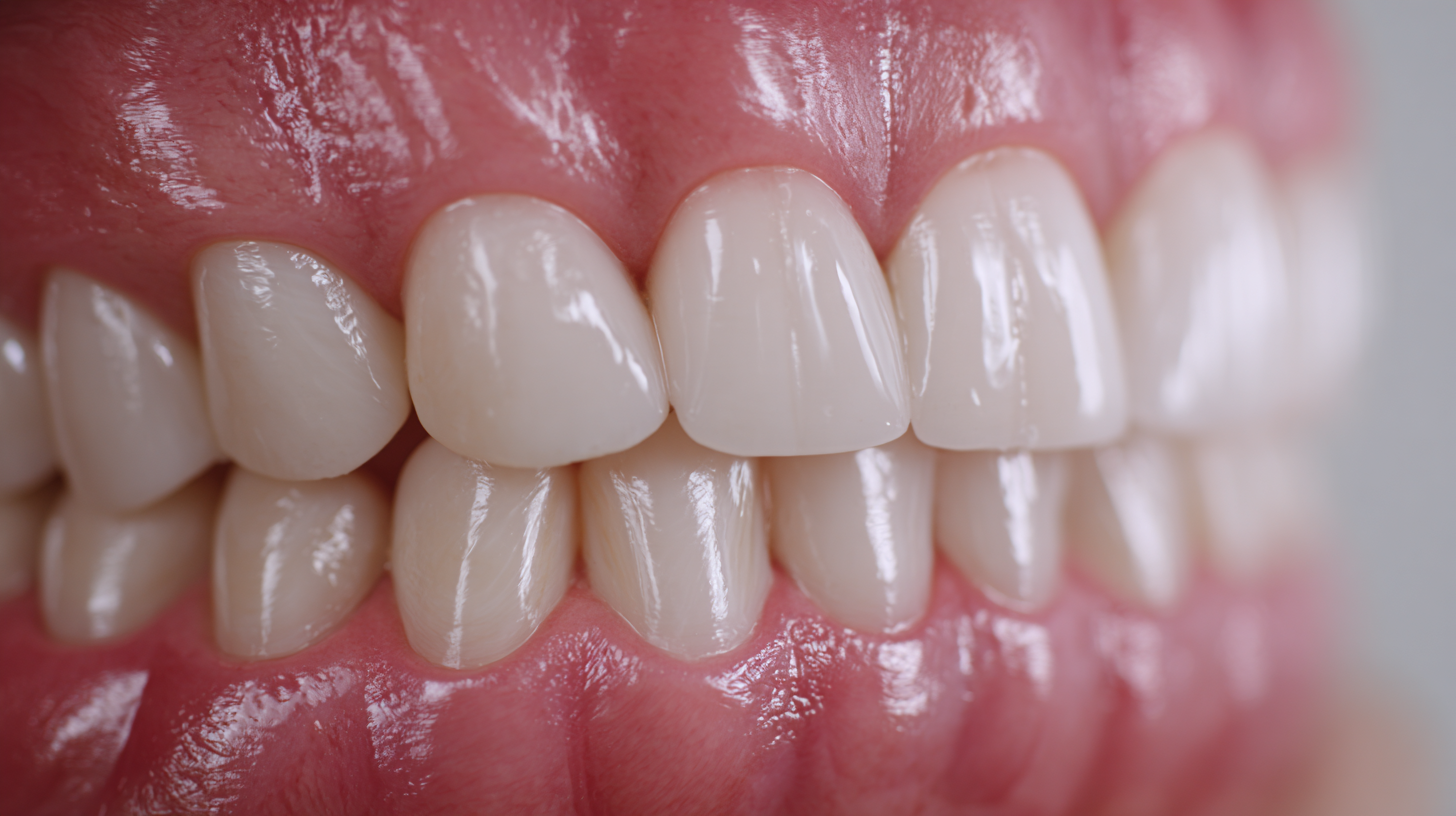
Another thing to think about is the kind of implant system that’s best for you. Research shows that dentures supported by implants can improve your chewing by up to 70% compared to traditional dentures—which is a pretty big deal! It’s really worth chatting with your dentist about the different options, like full-arch setups or single implant supports, so you can pick what fits your lifestyle and needs best. And don’t forget about the material—most implants are made of titanium or zirconia. Zirconia, in particular, might give you a nicer look and feel more natural, plus it gets along well with your body for long-term comfort and success.
The Importance of Professional Consultation in Choosing Denture Implants
When you're thinking about getting denture implants, chatting with a pro really makes all the difference. Did you know that almost 3 million people in the U.S. already have dental implants? And that number’s actually growing by about half a million each year. It’s pretty clear that more folks are trusting the technology, but it also shows how important it is to get expert advice to make choices that truly fit your personal needs.
A good consultation gives you a chance to dive into your options, whether it’s considering your oral health, lifestyle, or how you want your smile to look. According to some research published in the Journal of Prosthetic Dentistry, patients who get customized advice are about 75% more likely to be happy with their implants. Plus, dentists can help clear up the sometimes tricky details—like deciding between traditional or mini implants, which materials work best, and even discussing financing options. Meeting with a qualified dentist means you’re making choices based on solid info and experience, which really boosts your chances of ending up with a smile you love.
The Ultimate Guide to Choosing the Right Denture Implants for Your Smile
| Implant Type | Material | Duration | Success Rate | Key Benefit |
| Endosteal Implants | Titanium | 6-12 Months | 95% | Highly durable and stable |
| Subperiosteal Implants | Titanium | 6-8 Months | 90% | Less invasive, no bone grafting needed |
| Zygomatic Implants | Titanium | 4-6 Months | 85% | Ideal for patients with severe bone loss |
| Mini Implants | Titanium | 3-6 Months | 90% | Less invasive with quicker recovery |
Financial Aspects: Evaluating the Cost of Different Denture Implant Options
When you're looking into denture implants, one of the biggest concerns for most folks is, naturally, the cost. There are a bunch of things that can affect the price—stuff like the type of materials used, how complicated the procedure is, and even where your dental practice is located. For example, high-end materials like titanium tend to cost more, but they’re definitely worth it for the durability and how long they last. It’s also super important to know exactly what’s included in the quoted price—sometimes, those packages cover extra things like consultations, follow-up visits, or even warranties, so you’re not caught off guard.
And don’t forget about insurance! Many dental plans help cover part of the cost of implants, but it varies a lot from one plan to another. It’s a good idea to review your policy and chat with your insurance rep to really understand what’s covered. If the cost still feels a bit overwhelming, there are financing options out there—things like payment plans or third-party lenders—that can make it more manageable. That way, you can get the smile you want without stressing too much about the price. Being aware of all these financial bits really helps you make smarter decisions—so you can find a solution that fits your budget and still gives you that confidence boost you deserve.
Common Myths and Misconceptions About Denture Implants Explained
When it comes to denture implants, there are actually quite a few myths floating around that can make folks hesitant to go ahead and get the help they need. One big misconception I often hear is that denture implants are only meant for older people. But here’s the thing—according to the American Dental Association, around 30% of adults between 18 and 65 actually deal with some kind of tooth loss, so these implants can really be a game-changer for a much broader age group.
Then there’s the idea that getting denture implants has to be super painful—people worry about that, but honestly, most patients say the discomfort is pretty minimal and totally manageable, especially when local anesthesia is used. The American Association of Oral and Maxillofacial Surgeons even reports that over 90% of folks who go for implants end up pretty happy with their results over the long run.
**If you’re thinking about doing this, here’s a tip:** chat with a qualified dental pro who can give you some personalized advice. Also, taking a peek at reviews and experiences from other patients can really help you get a feel for what the process is like. The more you know, the better you'll feel about making a decision that’s right for your oral health.
FAQS
: Denture implants are artificial tooth roots placed into the jawbone, serving as a foundation for fixed or removable replacement teeth. They mimic natural tooth structure, improving functionality and aesthetics.
Denture implants work by fusing with the jawbone through a process known as osseointegration, which ensures stability and durability over time.
The cost of denture implants is influenced by factors such as the materials used, the complexity of the procedure, and the geographical location of the dental practice.
Many dental insurance plans provide at least partial coverage for implant procedures, but coverage details vary widely by provider. Patients should review their policies and communicate with their insurance representatives.
No, denture implants are not just for the elderly. Approximately 30% of adults aged 18–65 experience some form of tooth loss, making implants beneficial for a wider age range.
Many patients report that the discomfort associated with denture implant procedures is minimal and manageable, particularly when local anesthesia is used.
It's advisable to consult with a qualified dental professional for personalized advice and guidance. Additionally, looking at patient reviews can help you understand the process better.
Recent advancements include improved materials and techniques, such as 3D printing and robotic-assisted surgeries, which enhance precision and customization during the implant placement process.
Common mistakes made during the implant placement process can lead to complications, including implant failure; therefore, it's critical for dentists to have proper training and understanding of best practices.
Conclusion
In the article 'The Ultimate Guide to Picking the Right Denture Implants for Your Smile,' you'll find a straightforward intro to all the essentials about denture implants—how they work and the different types out there. Getting the basics down is super important because it helps you choose the best option tailored to your dental needs. Things like what you personally need, chatting with a dental pro, and your budget all come into play when you're trying to make an informed choice about implants.
Plus, the guide clears up some common myths and misunderstandings about denture implants—it's really helpful to have the right info before jumping in. Companies like Zhejiang Trusyou Medical Instruments Co., Ltd. are also part of the picture, offering cool, innovative implant systems and tools that can make the whole process smoother and give better results for folks thinking about getting implants.


