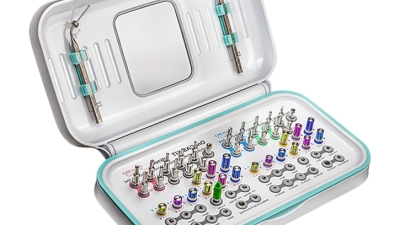
In today's rapidly evolving healthcare landscape, the demand for high-quality Surgical Instruments has escalated significantly, with the global surgical instruments market projected to reach USD 20.8 billion by 2025, growing at a CAGR of 6.4% from 2020. This growth underscores the critical importance of identifying reputable suppliers that not only deliver superior products but also provide exceptional after-sales service and maintenance support. Zhejiang Trusyou Medical Instruments Co., Ltd., a modern high-tech enterprise established in 2012, specializes in the R&D, design, production, and sales of Dental Implant systems and surgical tools. As healthcare providers increasingly prioritize reliability and cost-effectiveness, the ability to maintain optimal performance of surgical instruments through effective repair and service options becomes a decisive factor in supplier selection, thereby enhancing operational efficiency in medical settings worldwide.

The global market for Surgical Instruments is expected to reach approximately $12.5 billion by 2025, growing at a CAGR of around 5% from 2020 to 2025, according to a report from Market Research Future. This growth is driven by several factors, including advancements in medical technology, an increasing number of surgical procedures, and a rising demand for minimally invasive surgeries. As healthcare facilities enhance their capabilities, the need for high-quality surgical instruments becomes critical.
One of the significant trends shaping the market is the increasing preference for single-use surgical instruments, driven by concerns about infection control and cost-effectiveness. In particular, the Americas are expected to dominate the market share, fueled by robust healthcare infrastructure and high expenditure on surgical procedures. Furthermore, regions like Asia-Pacific are emerging as key players in the global supply chain, with a projected growth rate surpassing that of other regions, largely due to expanding healthcare initiatives and increasing patient populations. Engaging with reputable suppliers from these regions will be essential for healthcare providers aiming to source high-quality instruments that meet the evolving needs of surgeries.
When choosing suppliers for high-quality surgical instruments, several key factors should be considered to ensure that the products meet the strict standards required in the medical field. First and foremost, it is essential to evaluate the supplier's credentials and certifications. Look for compliance with international standards such as ISO 13485, which indicates that the manufacturer adheres to quality management systems specific to medical devices. This not only assures the quality of the instruments but also reflects the supplier's commitment to maintaining high manufacturing standards.
Another critical factor is the supplier's reputation in the market. Researching customer reviews and seeking testimonials can provide insight into the supplier's reliability and the performance of their instruments. Additionally, assess the range of products offered and their ability to customize instruments according to specific surgical needs. This flexibility often indicates a supplier's willingness to collaborate with healthcare providers to improve patient outcomes through innovative solutions. Quality assurance processes and after-sales support also play an integral role in maintaining ongoing supplier relationships, ensuring that any concerns or issues can be promptly addressed.
When evaluating the quality standards of surgical instruments worldwide, it's essential to consider internationally recognized certification systems such as ISO 13485, which outlines the requirements for a comprehensive quality management system for the design and manufacture of medical devices. According to a report by MarketsandMarkets, the global surgical instruments market is projected to reach USD 27 billion by 2025, indicating a growing demand for high-quality instruments that meet stringent safety and performance standards. As hospitals and surgical centers worldwide prioritize patient safety, the importance of sourcing instruments from reputable suppliers who comply with these standards cannot be overstated.
Furthermore, regulatory bodies like the FDA in the United States and the European Medicines Agency (EMA) have established rigorous guidelines for the approval of surgical instruments. A study published in the Journal of Healthcare Engineering highlighted that products meeting these quality certifications not only improve surgical outcomes but also significantly reduce the risk of complications. This data emphasizes the need for healthcare providers to conduct thorough evaluations of their suppliers and ensure that the surgical instruments they use are manufactured under the highest quality standards, ultimately enhancing patient care and operational efficiency.
Establishing long-term relationships with reputable suppliers is essential for acquiring high-quality surgical instruments. One of the most effective strategies is to conduct thorough research on potential suppliers. This includes examining their certifications, customer reviews, and track records within the industry. Engaging in direct conversations with suppliers helps build mutual trust, allowing you to gauge their commitment to quality and reliability. It’s also beneficial to visit their facilities if possible, as this can provide insight into their manufacturing processes and quality control measures.
Another vital approach is maintaining open lines of communication. Regular check-ins and updates can foster a collaborative atmosphere, where suppliers feel valued and understood. Consider setting up periodic review meetings to discuss performance metrics, address any concerns, and explore areas for improvement. This not only enhances the relationship but also reinforces a culture of transparency and accountability, ensuring that both parties are aligned on quality expectations and delivery timelines. By investing in these strategies, you can create a solid foundation with your suppliers, leading to sustained excellence in the supply of surgical instruments.
| Supplier Region | Quality Certification | Years in Business | Customer Satisfaction Rating | Lead Time (Days) |
|---|---|---|---|---|
| North America | ISO 13485 | 15 | 95% | 20 |
| Europe | CE Mark | 20 | 92% | 15 |
| Asia | ISO 9001 | 10 | 90% | 30 |
| South America | ISO 13485 | 8 | 88% | 25 |
| Africa | ISO 9001 | 5 | 85% | 35 |
The surgical instruments market is evolving rapidly, with significant growth anticipated through 2025. Key trends include the rise of minimally invasive procedures, advancements in surgical robotics, and the integration of artificial intelligence into clinical practices. As healthcare providers increasingly emphasize patient safety and recovery speed, the demand for innovative surgical devices is set to rise.
To identify reputable suppliers of high-quality surgical instruments, consider the following tips: First, conduct thorough research on suppliers’ certifications and compliance with international quality standards. Look for suppliers with a track record of reliability and client satisfaction. Second, attend industry trade shows and conferences to network with manufacturers and hear firsthand about new products and innovations. Building relationships with trusted suppliers can provide access to cutting-edge technology and improve the quality of surgical outcomes.
Additionally, the rise of mergers and acquisitions in the medtech sector suggests that larger firms are seeking to enhance their portfolios through innovation. This trend is a positive indicator for continued investment in high-quality instruments and devices. Stay informed about these developments to ensure access to the best products available in the market.
In the realm of dental surgery, particularly when placing implants in the posterior maxilla, the reduced bone height often complicates the procedure due to the proximity of the maxillary sinuses. Understanding the intricacies of surgical instruments and their applications can greatly enhance a surgeon's ability to navigate these challenges effectively. One such innovative tool is the Crestal Approach Sinus Kit (CASKit) from CASKit, designed specifically to facilitate Crestal Approach Sinus Augmentation.
The CASKit provides a streamlined and intuitive approach to sinus augmentation, enabling practitioners to achieve the desired implant placement with confidence and precision. The kit encompasses essential instruments that are engineered to reduce complications and improve outcomes for both the patient and the surgical team. By utilizing the CASKit, surgeons can effectively address the intricacies of anatomy, ensuring that implants are placed securely and successfully, even in the most challenging cases of reduced bone height.
Incorporating such specialized instruments into surgical practice aids in enhancing the overall efficiency and effectiveness of dental implant procedures. As the field of oral surgery evolves, having access to comprehensive surgical kits like CASKit is vital for practitioners aiming to provide the highest standard of care. Whether you are an experienced surgeon or just starting in the field, familiarizing yourself with essential instruments and their applications will undoubtedly elevate your practice and patient outcomes.
: Look for international certifications such as ISO 13485, which indicates compliance with quality management systems specific to medical devices.
A supplier's reputation can be assessed through customer reviews and testimonials, providing insights into reliability and the performance of their instruments.
Yes, many suppliers offer customization options to tailor instruments to specific surgical needs, which reflects their willingness to collaborate with healthcare providers.
Quality assurance processes and after-sales support are crucial as they ensure that any concerns or issues can be addressed promptly, maintaining a strong ongoing relationship.
Compliance with quality standards improves surgical outcomes and significantly reduces the risk of complications during procedures.
It's essential to consider internationally recognized certifications and regulatory guidelines from bodies like the FDA and EMA during your evaluation.
The global surgical instruments market is projected to reach USD 27 billion by 2025, indicating a growing demand for high-quality instruments.
Sourcing from reputable suppliers who comply with quality standards is vital for ensuring patient safety and enhancing operational efficiency in healthcare settings.