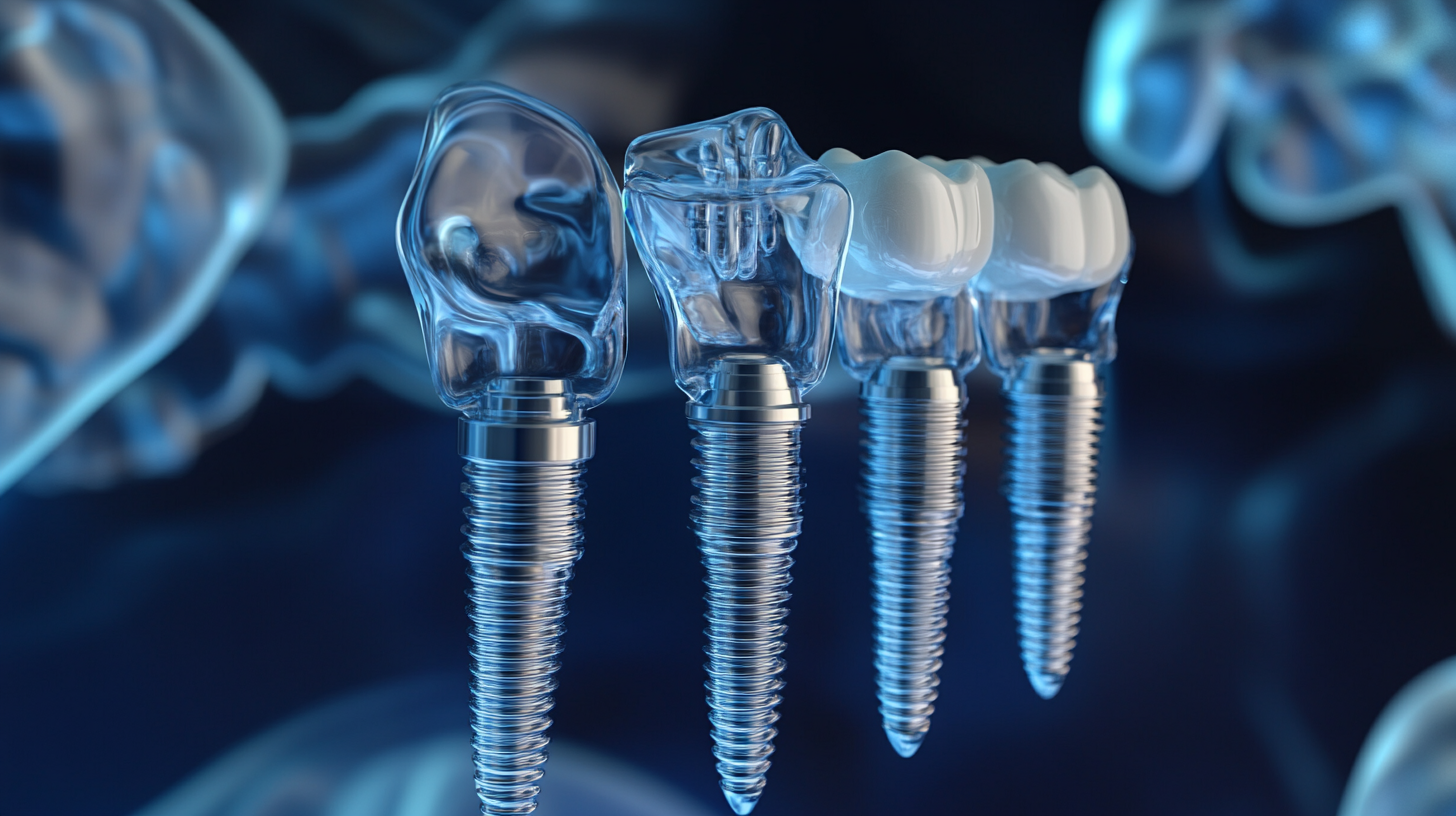
In the ever-changing landscape of Dental Implants, picking the right one can really make a difference when it comes to how successful the procedures are and how happy patients feel.Angulated Implants have become quite popular among dental pros, and it’s not hard to see why—they’re great at tackling tricky anatomical situations and boast a solid 90% success rate. Here at Zhejiang Trusyou Medical Instruments Co., Ltd., we get that finding the best implants for different clinical situations can be quite a challenge. Since we kicked things off in 2012, we’ve been all about researching, designing, and making high-quality dental implant systems and Surgical Tools. So, in this blog, we’ll share some handy tips for dental practitioners who want to navigate the ins and outs of Angulated Implants. Our goal is to help you make smart choices that boost patient outcomes and give your practice a boost, too. Let’s dive in and check out the unique features and best uses for different types of Angulated Implants, along with some practical advice on how to pick the right ones.
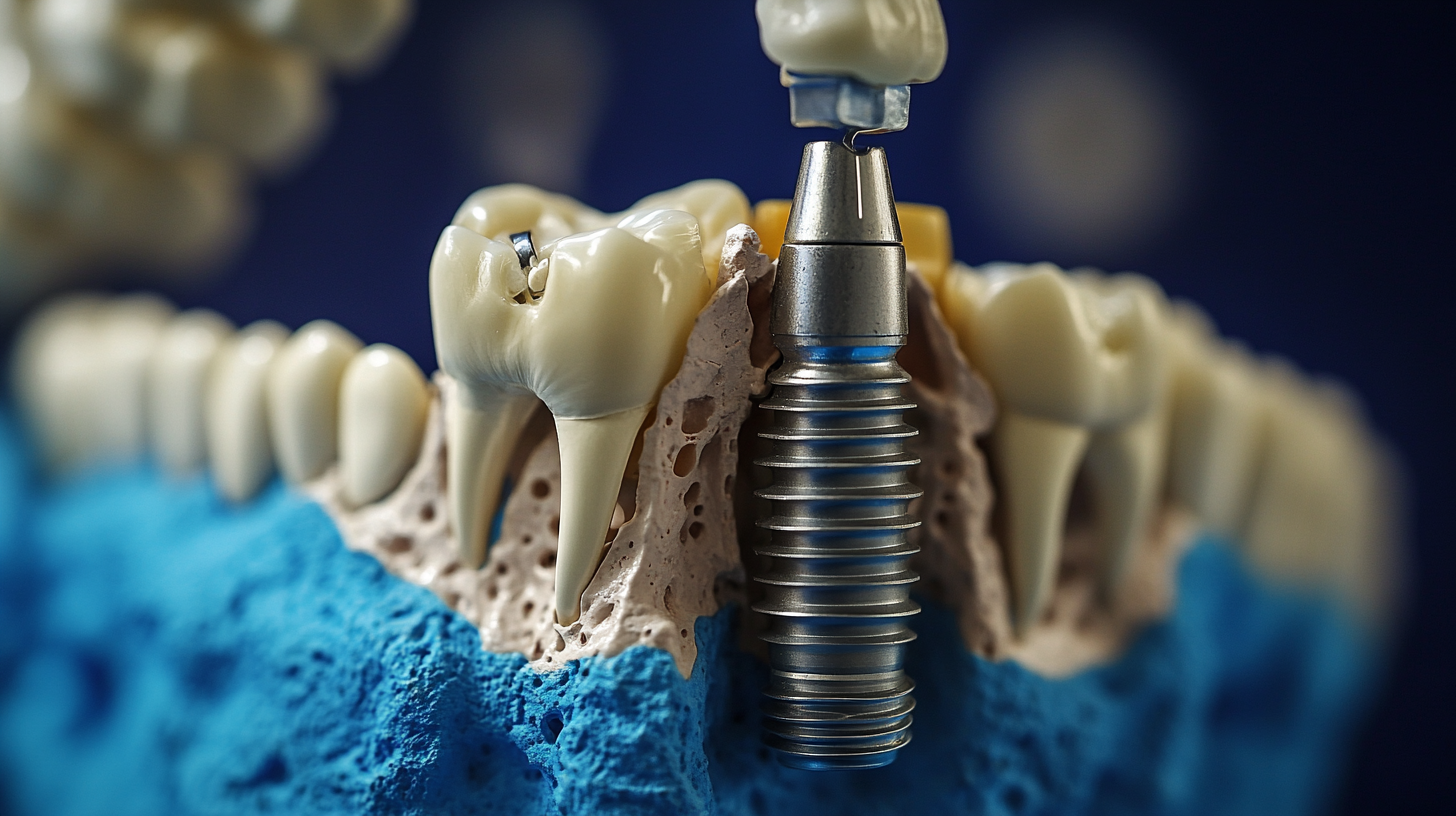
You know, in today's world of dentistry, angulated implants really make a big difference, especially for folks dealing with tricky jaw structures. There’s this study from the Journal of Oral Implantology that’s pretty eye-opening—it shows that these angulated implants can boast a success rate of up to 90%! That’s fantastic news for dentists tackling tough implant placements. Not only do these implants help improve how teeth look, but they also make a world of difference in how well they function by allowing for better alignment with the neighboring teeth.
If you’re in the market for the best angulated implants, I’ve got a few tips for you: First off, make sure the implant system you choose works well with the tools and techniques you already have in your practice. Next, keep an eye on the angulation and length of the implant since those factors can really impact how well the bone integrates. And don’t forget to stick with reputable brands—companies like Zhejiang Trusyou Medical Instruments Co., Ltd. come to mind, as they’ve got a strong reputation for their innovative and high-quality dental implant systems.
All in all, investing in modern angulated implants can be a game changer. They offer such solid solutions for both dentists and their patients. Plus, the advanced digital tools from companies like Zhejiang Trusyou really empower dental pros, allowing them to enhance the efficiency and success rate of dental restorations.
Hey there! So, when it comes to picking angulated implants, there are a few really important things to think about if you want the best results. I came across this study in the *Journal of Prosthetic Dentistry,* and it mentioned that getting the angulation just right can lead to an impressive 90% success rate for implant-supported restorations. That kind of drives home how vital it is to choose implants that fit the unique shapes of each patient’s jaw—everyone’s anatomy is different, right?
Another thing to consider is the material and design of the implant itself. You know, reports suggest that titanium implants are kind of a go-to option because of how strong and compatible they are with our bodies. They’ve got a survival rate of over 95% in long-term studies, which is pretty reassuring! Plus, the angle of the implant needs to jive with the overall treatment plan. This means taking into account where the neighboring teeth are and how much bone there is available. When an implant is angled well, it can save you from needing extra grafting procedures, which is great for both efficiency and saving some bucks in treatment costs.
And let’s not forget about the surgeon’s experience—it really can make a difference! A survey from the American Academy of Implant Dentistry found that surgeons who have advanced training and lots of experience with tricky cases tend to boost the success rates of these angulated implants. So, when you’re choosing an implant, it’s just as important to check out the clinician’s expertise as it is to pick the right implant itself. That way, you’re really covering all your bases for the best patient care and satisfaction!
So, when you’re looking into angulated implants, it really helps to know that they have a pretty impressive 90% success rate. This number doesn’t just show how reliable the implants are; it’s also a nod to how far dental technology and surgical techniques have come along. With such a high success rate, most patients can look forward to a favorable outcome, which can really boost their quality of life. Don’t forget to chat with your dentist about what that success rate means for you, especially when it comes to how well the implants will hold up over time and how they look.
And hey, that 90% isn’t just about getting the implant in there successfully; it’s also about how happy patients are after the fact. Stuff like making sure the implant is placed just right, taking your specific needs into account, and sticking to post-op care are all super important for making sure things go smoothly. It’s a good idea for patients to have a deep dive discussion with their oral health providers to really wrap their heads around what that percentage means and how it applies to their own situation. That way, they can make the best calls for their oral health.
You know, over the last few years, we’ve seen some pretty amazing tech advancements in the world of angulated implants. It’s really changed the game for patients and dentists alike. I mean, these new innovations have made it way easier to place implants in tricky spots in the mouth, and the results for patients have really improved. Thanks to cool stuff like 3D imaging and computer-aided design, dental pros can whip up custom implant solutions that fit each person's unique dental setup. It’s like having a tailored suit for your mouth! With this kind of personalization, the chances of the implants integrating successfully have skyrocketed – some clinics are even saying they have a success rate of around 90%! How awesome is that?
And let’s not forget about the materials and treatments that have come on the scene. They’ve really kicked things up a notch in terms of durability and effectiveness. We’re talking about advanced biomaterials that help the implants fuse with the bone faster, meaning quicker healing and more stability overall. Plus, these advancements have really cut down on complications from misalignment and bone loss that might have come with angulated implants in the past. Honestly, with how quickly technology is advancing, it looks like the future for angulated implants is super bright – giving patients more choices and equipping dental professionals with what they need to get the best possible results.
Choosing the right material for angulated implants is super important, and you really need to think about both biocompatibility and strength. Most folks in the field seem to agree that titanium is still a top pick. It’s got fantastic corrosion resistance and solid mechanical properties. In fact, a study in the *International Journal of Oral & Maxillofacial Implants* found that titanium implants boast around a 90% success rate over ten years. That makes them a pretty dependable option for all sorts of dental work.
Now, let's dive into some tips:
Tip 1: Look at the Surface Treatment. Things like sandblasting or acid etching can really ramp up osseointegration, which is just a fancy way of saying that your body does a better job of accepting the implant. A surface that’s more porous can mean better cell attachment, which can totally lead to greater long-term stability.
And while we’re at it, newer materials like zirconia are becoming pretty popular, especially since they look great and don’t attract as much plaque. There’s a report from the *Journal of Dental Research* that even suggests zirconia implants can match titanium’s success rate in the front teeth area, where looking good really matters.
Tip 2: Think About the Location and Load. The implant material can also change based on where it’s going and how much stress it’ll take. For the back teeth that handle heavier chewing forces, a strong titanium implant might be the better option. But for the front teeth, you might want to lean towards zirconia for that aesthetic edge.
By taking the time to weigh these material choices, dentists can really boost the chances of success for those angulated implants.
Looking ahead to 2025, it’s pretty exciting to see how angulated implant technology is gearing up for some major leaps forward. Recent reports from the industry suggest that the global dental implant market could hit a whopping $12.5 billion by 2025. That’s mainly because more folks are dealing with dental issues and there’s this ever-increasing interest in cosmetic dentistry. Honestly, the innovations in angulated implants are set to make a big difference, not just in how things look, but also in how well they function for patients.
One really cool trend we should keep an eye on is the rise of digital technologies. They’re about to shake things up when it comes to designing and placing angulated implants. A study highlighted in the Journal of Oral Implantology found that using CAD/CAM technology can boost the accuracy of implant placements, pushing success rates to over 90%. How amazing is that? Plus, there are some great advancements happening in biomaterials that are expected to strengthen osseointegration, making solutions more durable to meet the demands of both dental pros and patients. As we dive into this new chapter, the spotlight will be on creating a smooth and positive experience for patients, while ensuring that the solutions we offer are strong and built to last.
| Tip | Description | Success Rate (%) | Expected Improvement by 2025 (%) |
|---|---|---|---|
| Understand Angulation | Learn about the optimal angulation for different cases. | 90 | 95 |
| Material Selection | Choose high-quality materials for durability. | 92 | 96 |
| Consult with Experts | Get insights from dental professionals. | 88 | 92 |
| Technology Advances | Stay updated on implant technology improvements. | 89 | 94 |
| Post-Op Care | Follow guidelines for recovery and maintenance. | 91 | 97 |
| Patient Feedback | Consider patient experiences for better choices. | 87 | 90 |
| Future Predictions | Review forecasts for upcoming trends in implants. | 86 | 93 |
: Key factors include proper angulation for optimal success rates, the material and design of the implant, the implant's compatibility with the treatment plan, and the experience of the surgeon.
A recent study highlighted a success rate of approximately 90% for implant-supported restorations when proper angulation is achieved.
Titanium implants are favored due to their biocompatibility and strength, showing a survival rate of over 95% in long-term studies.
Well-angled implants can minimize the need for grafting procedures, enhancing treatment efficiency and cost-effectiveness.
A survey indicated that surgeons with advanced training and experience significantly improve the success rates of angulated implants.
The global dental implant market is expected to reach $12.5 billion by 2025, driven by the increase in dental diseases and demand for cosmetic dentistry.
Innovations like digital technologies and CAD/CAM may revolutionize the design and placement of angulated implants, improving accuracy and success rates.
Advancements are anticipated to enhance osseointegration, providing durable solutions that meet the rising expectations of dental professionals and patients.
The focus will be on fostering seamless patient experiences and providing robust, long-lasting solutions in dental implant technology.
The angulation of the implant should complement the position of adjacent teeth to ensure an effective and successful treatment outcome.