Inquiry
Form loading...
0%

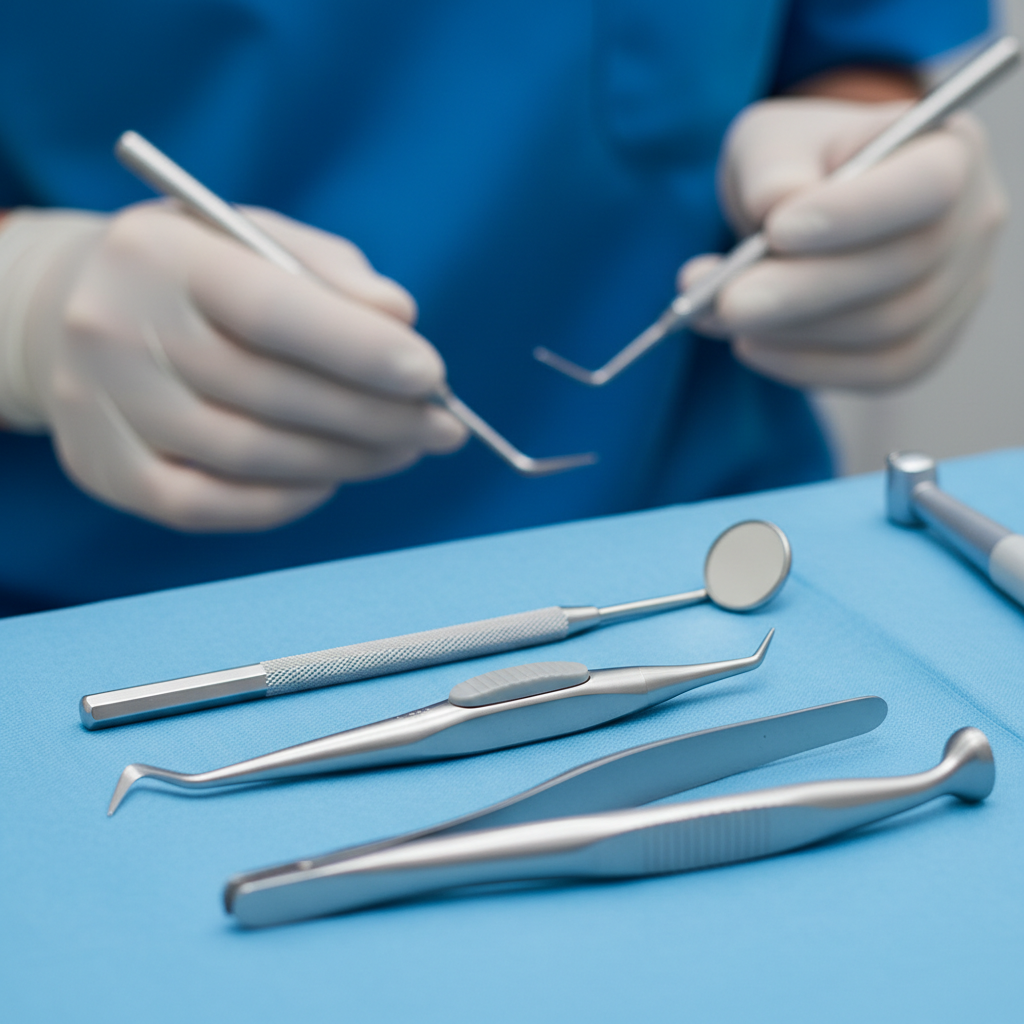
When it comes to dental procedures, choosing the right Dental Surgery Instruments really makes all the difference in how well things turn out. Every dentist knows that the quality and how well these tools work can seriously impact both how smoothly the surgery goes and how comfortable the patient feels. And with more and more folks wanting advanced dental treatments, dentists often find themselves flooded with options on the market. It can feel pretty overwhelming trying to pick the right instruments, right? But here’s a thought—using some good old statistical analysis might actually make the decision a lot easier. By looking at data on how instruments perform, how long they last, and what other users think, dental pros can make smarter choices that suit their specific needs. Plus, staying aware of current trends in dental tools can help avoid using outdated or subpar equipment, so you’re always equipped with the best of the best. In this guide, we’re gonna walk through some practical tips and key points to consider when choosing Dental Surgery Instruments, all backed by solid data. The idea is to help you improve your practice and bring better care to your patients—because, honestly, that’s what it’s all about.
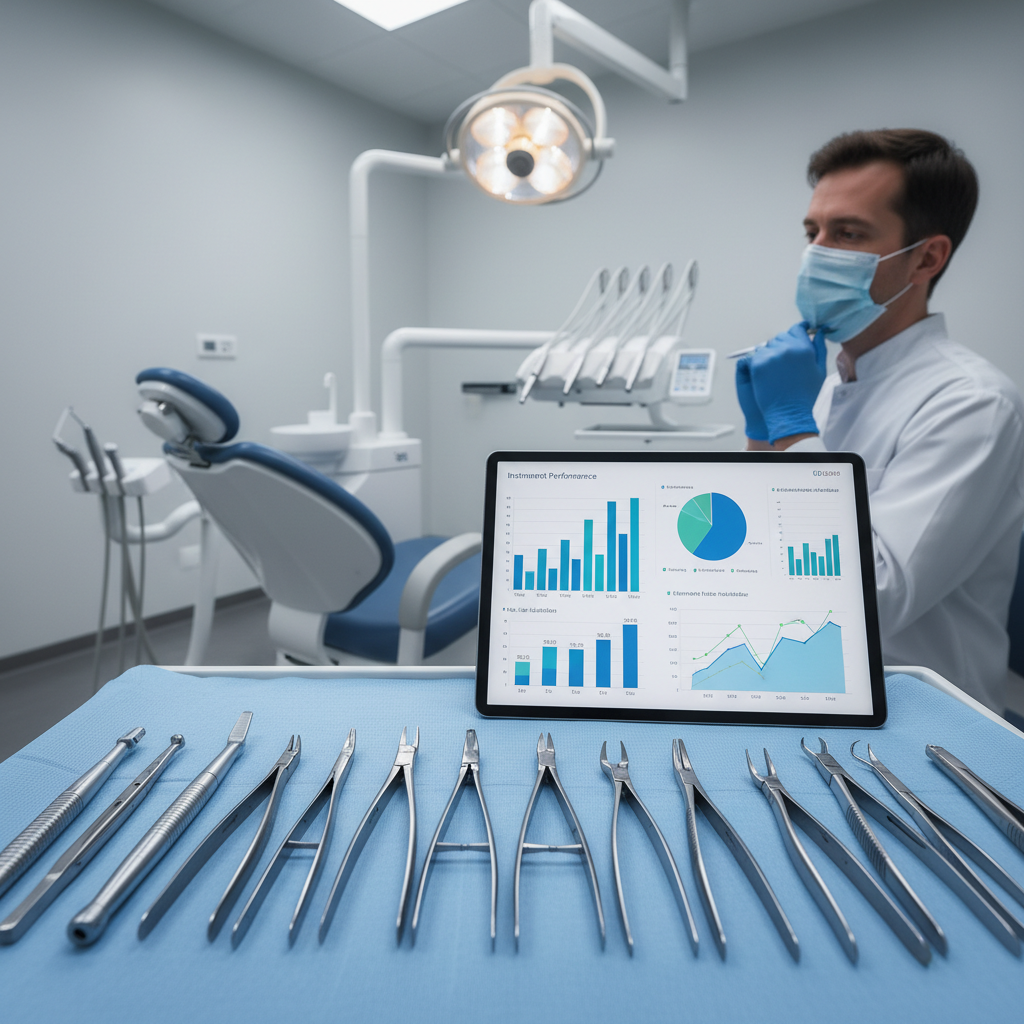
Essential Tips For Choosing Dental Surgery Instruments Based On Statistics

Key Factors to Consider in Dental Surgery Instrument Selection

When it comes to selecting dental surgery instruments, there are several key factors that practitioners must consider to ensure optimal outcomes. One of the primary considerations is the material quality of the instruments. According to the American Dental Association, instruments made from high-grade stainless steel or titanium offer superior corrosion resistance and longevity, which can significantly enhance surgical precision and patient safety.

Another critical factor is the ergonomic design of the instruments. Studies indicate that poorly designed tools can lead to increased fatigue and discomfort for dental surgeons, impacting their performance. A report from the Journal of Dental Research states that instruments designed with ergonomics in mind can reduce hand fatigue by up to 30%, thereby improving efficiency during intricate procedures.

**Tips for Choosing Dental Surgery Instruments:**
- Prioritize instruments that are compatible with existing sterilization protocols, as this ensures compliance with health standards and reduces the risk of infections.
- Evaluate the manufacturer’s reputation and warranties, as reputable brands are more likely to provide high-quality, reliable instruments that meet industry standards.

Essential Tips For Choosing Dental Surgery Instruments Based On Statistics

Understanding the Importance of Quality in Dental Instruments

When it comes to dental surgery, the quality of instruments is paramount to ensuring successful outcomes. High-quality dental instruments not only enhance the precision of surgical procedures but also minimize the risk of complications. Inferior tools can lead to increased procedure times, inadequate results, and potential harm to the patient. Therefore, it is critical for dental professionals to prioritize quality over cost when selecting instruments for their practice.

Statistical evidenceunderscores the link between instrument quality and patient safety. Studies have shown that the use of high-grade Surgical Tools leads to lower infection rates and improved patient satisfaction. Furthermore, investing in reliable instruments can reduce long-term costs associated with replacements and repairs, while also enhancing overall efficiency. By understanding the significance of quality in dental instruments, practitioners can make informed choices that ultimately lead tobetter patient care and outcomes.

Analyzing Cost vs. Benefit in Dental Surgical Tools

When selecting dental surgery instruments, understanding the cost versus benefit is crucial for optimizing both practice efficiency and patient care. According to a report by the American Dental Association, the average expenditure on dental instruments can range from $5,000 to $30,000 annually, depending on the size and specialty of the practice. Investing in high-quality surgical tools often leads to improved procedural outcomes and can significantly reduce the long-term costs associated with instrument replacement and maintenance. For instance, premium stainless steel instruments, while more expensive upfront, boast a lifespan that is 50% longer than their lower-quality counterparts, ultimately providing a better return on investment.

Furthermore, a study published in the Journal of Dental Research indicates that practices utilizing state-of-the-art dental instruments report a 20% reduction in surgical complications, correlating directly with enhanced patient satisfaction rates. This emphasizes the importance of selecting tools that not only meet the technical requirements of procedures but also contribute to a positive dental experience. By analyzing performance data and weighing the benefits of durable, efficient instruments against their costs, dental professionals can make informed decisions that support both their practice growth and patient trust.

Statistical Insights on Instrument Durability and Performance

Essential Tips For Choosing Dental Surgery Instruments Based On Statistics

When selecting dental surgery instruments, understanding their durability and performance through statistical insights is crucial. Research shows that instruments made from high-quality materials tend to last significantly longer under repeated use. For instance, stainless steel instruments demonstrate superior resistance to corrosion and wear, resulting in a 30% longer lifespan compared to their counterparts made from inferior materials. This statistical advantage underscores the importance of material selection in ensuring that dental practices maintain high standards of care.

Moreover, performance metrics reveal that well-designed ergonomic instruments not only enhance precision but also reduce operator fatigue, which can lead to better patient outcomes. Statistics indicate that instruments with a balanced weight distribution can improve surgeons' efficiency by up to 25%, facilitating quicker and more accurate procedures. Therefore, when choosing dental surgery instruments, practitioners should rely on statistical data to assess both durability and ergonomic performance, ultimately leading to informed purchasing decisions that benefit both the dental team and their patients.

The Role of Ergonomics in Dental Surgery Instrument Design

Essential Tips For Choosing Dental Surgery Instruments Based On Statistics

When selecting dental surgery instruments, the importance of ergonomics cannot be overstated. The design and usability of these tools significantly impact not only the efficiency of a procedure but also the comfort and health of the dental professional. According to a report from the American Dental Association, poor ergonomics can lead to musculoskeletal disorders in up to 60% of dental practitioners, highlighting the urgent need for instruments that prioritize ergonomic features.

Tips for choosing the right dental surgery instruments include looking for tools that have comfortable grips and are lightweight. Instruments should also be designed to reduce wrist and hand strain. Research shows that ergonomically designed instruments can reduce the risk of repetitive stress injuries by 30%, making them a wise investment for long-term practice sustainability.

Moreover, understanding the statistical correlation between instrument design and performance is vital. Studies reveal that surgical precision increases by approximately 25% when ergonomic tools are implemented, demonstrating that an investment in ergonomic design not only benefits practitioners but also enhances patient outcomes. By focusing on ergonomic considerations, dental professionals can ensure they select instruments that support both their health and their surgical success.

Trends in Dental Instrumentation: Innovations and Updates

As the dental industry continues to evolve, staying updated on the latest trends in dental instrumentation is essential for practitioners seeking to enhance their practice and patient care. The global dental equipment market, which is projected to grow from USD 1.53 billion in 2025 to USD 2.35 billion by 2033 at a compound annual growth rate (CAGR) of 5.52%, reflects a growing demand for innovative Surgical Instruments that cater to both efficiency and precision in various dental procedures.

Recent advancements in dental hygiene instruments and root canal instrumentation are particularly noteworthy. Innovations in these areas have not only improved patient outcomes but have also streamlined processes within dental practices. For example, enhancements in oral hygiene aids are playing a crucial role in better managing periodontal health. Moreover, emerging technologies such as AI integration in laser dentistry are revolutionizing how dental professionals approach surgery, fostering greater precision and a reduction in recovery times. As these trends shape the future of dental instrumentation, practitioners must adapt and select the right tools to meet evolving patient needs.

Essential Tips For Choosing Dental Surgery Instruments Based On Statistics - Trends in Dental Instrumentation: Innovations and Updates

Instrument Type Material Usage Frequency (%) Innovation Trend (%) User Satisfaction (%)
Scalpel Stainless Steel 85 10 92
Forceps Titanium 78 15 90
Scissors Carbon Steel 70 7 85
Chisels Stainless Steel 60 5 80
Drills Diamond Coated 90 20 95

Enhancing Surgical Outcomes: The Impact of High-Quality Medical Supplies like the RBG Surgery Box on Procedural Success Rates

In the realm of modern surgery, the quality of medical supplies plays a crucial role in determining procedural success rates. High-quality tools not only enhance the efficiency of surgical procedures but also significantly reduce the risk of complications. One exemplary product that embodies this principle is the Crestal Approach Sinus Kit (CASKit) from CASKit. Designed specifically for dental implant procedures, particularly in challenging anatomical situations like the posterior maxilla, this tool facilitates a safer and more straightforward approach to sinus augmentation.

The CASKit addresses the common challenge of reduced bone height due to the presence of sinuses, a scenario that can complicate the placement of dental implants. By providing a simple and effective method for Crestal Approach Sinus Augmentation, the CASKit allows dental professionals to navigate these difficulties with greater confidence. The precision and reliability of this kit not only enhance the surgeon's capability to place implants successfully but also improve patient outcomes by minimizing trauma and maximizing implant stability.

Enhancing surgical outcomes lies in the details, and high-quality medical supplies such as the CASKit are essential components of that equation. As professionals strive for excellence in their surgical practices, investing in superior tools like the CASKit can lead to improved procedural success rates and ultimately, greater patient satisfaction.

FAQS

: Why is understanding instrument durability important in dental surgery?

: Understanding instrument durability is crucial because instruments made from high-quality materials, like stainless steel, last significantly longer and perform better over time, ensuring high standards of care.

How does material selection impact the lifespan of dental instruments?

Instruments made from high-quality materials, such as stainless steel, demonstrate a 30% longer lifespan due to superior resistance to corrosion and wear compared to inferior materials.

What role does ergonomic design play in dental surgery instruments?

Ergonomic instruments enhance precision, reduce operator fatigue, and can improve surgeons' efficiency by up to 25%, leading to quicker and more accurate procedures.

How can statistical insights aid dental practitioners in their decisions?

Practitioners can use statistical data to evaluate both the durability and ergonomic performance of instruments, helping them make informed purchasing decisions that benefit their practice and patients.

What are the growth projections for the global dental equipment market?

The global dental equipment market is expected to grow from USD 1.53 billion in 2025 to USD 2.35 billion by 2033, reflecting a compound annual growth rate of 5.52%.

What recent advancements have been made in dental instrumentation?

Noteworthy advancements include improvements in dental hygiene instruments and root canal instrumentation, which enhance patient outcomes and streamline processes within dental practices.

How is AI integration influencing dental surgery?

Emerging technologies like AI integration in laser dentistry are revolutionizing dental practices by fostering greater precision and reducing recovery times for patients.

What should dental practitioners consider when selecting instruments?

Practitioners should stay updated on trends and innovations in dental instrumentation to select tools that cater to efficiency, precision, and evolving patient needs.

Conclusion

In selecting Dental Surgery Instruments, several key factors must be considered to ensure optimal performance and safety. Quality is paramount, as superior instruments not only enhance surgical outcomes but also contribute to patient satisfaction. Understanding the balance between cost and benefit is crucial; investing in high-quality tools can lead to long-term savings and improved outcomes. Additionally, statistical insights highlight the importance of instrument durability and performance, ensuring longevity and reliability in critical procedures.

Ergonomics also plays a significant role in the design of Dental Surgery Instruments, as well-designed tools reduce operator fatigue and improve precision. Keeping abreast of the latest trends and innovations in dental instrumentation is essential for modern practices looking to enhance their service offerings. As a high-tech enterprise, Zhejiang Trusyou Medical Instruments Co., Ltd. is dedicated to providing cutting-edge dental solutions, aligning with the evolving needs of global users in the field of dental surgery.
Aria

Aria

Aria is a dedicated marketing professional at Zhejiang Zhuoshiyou Medical Equipment Co., Ltd., where she leverages her extensive knowledge of the company's products to drive effective communication and engagement. With a strong background in medical technology, Aria possesses a deep understanding......
Previous Global Insights on Full Mouth Dental Implants Market Trends for 2025