When you're thinking about bringing back that beautiful, functional smile, picking the right Dental Implant is honestly a pretty big deal — it can really make a difference in your overall oral health. Dental implants are a solid, permanent fix for missing teeth, offering stability and comfort that you just don’t quite get with traditional dentures or bridges. With so many options out there, it’s good to have a clear idea of what factors to consider so you can choose what’s best for you.
In this guide, I’ll share some key tips to help you make smarter choices about dental implants. We’ll cover everything from the different materials used to the various implant styles and procedures. The goal is to give you insights tailored to your unique dental situation. Once you understand what influences how successful an implant can be, you’ll be better prepared to work with your dentist and get the best results. Remember, picking the right implant isn’t just about looks — it’s also about supporting the function and shape of your jaw. So, taking your time and making a thoughtful decision really counts in this life-changing process.
Understanding Dental Implants: Types and Benefits
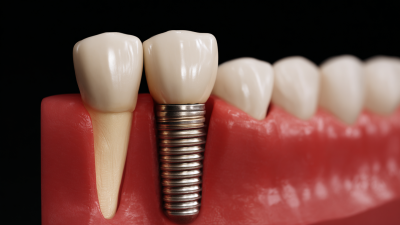
Dental implants have become a popular solution for those seeking to replace missing teeth. Understanding the different types of implants available is essential for selecting the right option for your needs. The most common types include endosteal implants, which are surgically placed directly into the jawbone, and Subperiosteal Implants, which are placed under the gum but above the jawbone. Each type has its specific use cases and benefits, with endosteal implants often being favored for their stability and longevity.
The benefits of dental implants extend beyond mere aesthetics; they also contribute significantly to oral health. Implants help preserve jawbone density, preventing the bone loss that can occur when teeth are missing. Additionally, they function like natural teeth, allowing for better chewing and speaking abilities, and support adjacent teeth, reducing the risk of shifting. Ultimately, the right dental implant can enhance quality of life, making it important to consider individual dental health and lifestyle needs when making a choice.
Factors to Consider When Choosing a Dental Implant
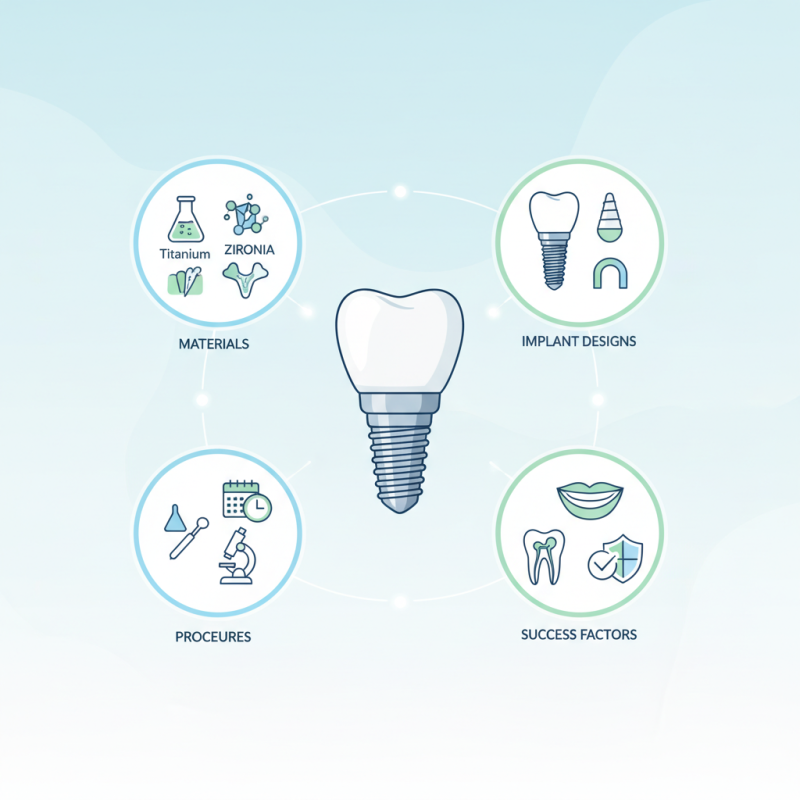
When considering a dental implant, several key factors should guide your decision-making process. First and foremost is the type of implant material. Common options include titanium and zirconia, each with its own benefits. Titanium tends to have a long track record of success and is renowned for its strength and biocompatibility, while zirconia offers a tooth-colored aesthetic that can be appealing for those concerned about visibility. Assessing your personal preferences and any material allergies is essential in determining the right choice.
Another critical consideration is your individual oral health and jawbone condition. An implant relies on adequate bone structure for stability and longevity. A thorough assessment by your dental professional, including imaging techniques, will help identify whether bone grafting or additional procedures may be necessary to support the implant. Additionally, understanding the intended use of the implant—whether for a single tooth, multiple teeth, or a full arch—will influence the type and design of the implant you choose, ensuring that it meets your functional and aesthetic needs.
Top Tips for Choosing the Right Dental Implant for Your Needs
This chart highlights the various factors that should be considered when choosing a dental implant. Each factor is rated on a scale from 1 to 10, with material quality and bone integration being the most critical aspects according to patients' insights.
The Role of Material in Implant Selection: Titanium vs. Zirconia
When selecting a dental implant, one of the key considerations is the material from which the implant is made. The two most popular options are titanium and zirconia, each offering distinct advantages and characteristics. Titanium has long been the industry standard due to its strength, biocompatibility, and ability to fuse well with bone, a process known as osseointegration. This metal is also resistant to corrosion, making it a durable choice for long-term implants. Patients seeking a reliable solution often opt for Titanium Implants, particularly in cases where strength and longevity are crucial.
On the other hand, zirconia implants have gained popularity for their aesthetic properties and sensitivity to oral health. Made from a ceramic material, zirconia is often preferred in the anterior region of the mouth for its natural tooth-like appearance. This option eliminates the risk of metal allergies and provides excellent tissue compatibility. Additionally, the smooth surface of zirconia may lead to less plaque accumulation, promoting better overall oral hygiene. However, zirconia implants may not offer the same level of structural strength as titanium, making them less suitable for certain applications, especially in areas that endure higher chewing forces.
Therefore, the choice between titanium and zirconia dental implants ultimately depends on individual patient needs, aesthetic preferences, and the specific clinical situation. Understanding these material differences can help patients and their dental professionals make informed decisions tailored to achieving optimal results.
Consultation Tips: Questions to Ask Your Dentist
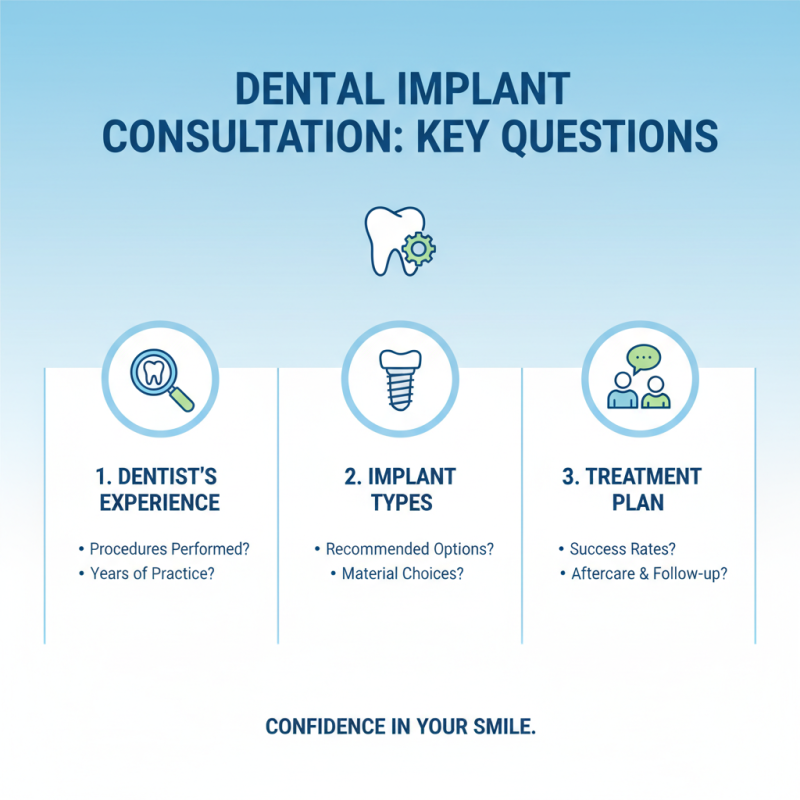
When considering dental implants, it is crucial to have an open and informative consultation with your dentist. Start by asking about their experience with dental implants. Inquire how many procedures they have performed and what types of implants they typically recommend. Understanding your dentist's expertise can help you feel more confident in your treatment plan.
Additionally, it is important to discuss the different materials and technologies used in dental implants. Ask your dentist to explain the pros and cons of each option, and how they affect the longevity and functionality of the implant. Don't hesitate to inquire about any potential risks or complications associated with the procedure. Knowing what to expect can alleviate anxieties and help you make a more informed decision about your dental health. Lastly, ask about the recovery process and the timeframe for returning to your regular activities, as this will help you plan accordingly.
Evaluating Your Oral Health for Successful Implant Outcomes
When considering dental implants, evaluating your oral health is crucial for achieving successful outcomes. According to the American Academy of Implant Dentistry, over 3 million people in the United States currently have dental implants, and that number is growing by 500,000 each year. However, the success of these implants largely depends on the patient's oral health. Key factors include the presence of gum disease, the quality and quantity of jawbone density, and overall oral hygiene practices. Patients with untreated periodontal disease may be at higher risk for implant failure, as infections can compromise the stability of the implant.
Additionally, a study published in the International Journal of Oral & Maxillofacial Implants reveals that individuals with a strong foundation of oral health typically experience a 95% success rate with dental implants. Therefore, before proceeding with the implant process, it's vital to undergo a comprehensive dental evaluation. This may include X-rays and 3D imaging to assess bone health and the condition of surrounding tissues. By proactively addressing any existing oral health issues, patients can significantly increase the likelihood of a successful and long-lasting implant, ensuring that their investment in dental restoration yields the best possible results.
Cost Considerations: Budgeting for Dental Implants
When considering dental implants, cost is a significant factor that must be taken into account. The price of dental implants can vary widely depending on several elements, including the complexity of the procedure, the materials used for the implants, and the location of the dental practice. Patients should begin by establishing a realistic budget, factoring in the initial consultations, diagnostic imaging, and the potential need for supplementary procedures like bone grafting, which can increase the overall cost.
Additionally, exploring financing options can be beneficial for those who may find the upfront cost daunting. Many dental offices offer payment plans or financing solutions that allow patients to spread the cost over time, making dental implants more accessible. Furthermore, patients should investigate their dental insurance policies, as some plans may cover a portion of the costs associated with dental implants. By being proactive and informed about these financial aspects, individuals can make better decisions that align with their needs and budgets, ensuring a successful and satisfying dental implant experience.
Post-Procedure Care: Ensuring Longevity of Your Implant
Post-procedure care is crucial for ensuring the longevity of your dental implant. According to a report from the American Academy of Implant Dentistry, nearly 5 million dental implants are placed each year in the United States alone, and proper aftercare significantly affects their success rate, which stands at around 98%. This high success rate largely depends on maintaining good oral hygiene and following up with your dentist for routine check-ups.
One key aspect of post-procedure care is the maintenance of oral hygiene. Patients are encouraged to gently brush the implant site with a soft-bristled toothbrush and to use antimicrobial rinse to reduce plaque buildup. Studies have shown that individuals who engage in meticulous oral care after receiving implants experience far fewer complications. Furthermore, it is recommended that patients avoid hard or sticky foods for a period of healing to prevent undue stress on the new implant.
Regular dental visits should continue after the implant procedure to monitor the health of the surrounding gum tissue and the implant itself. The Journal of Periodontology emphasizes the importance of these follow-ups, noting that about 10% of implants may experience peri-implantitis, an infection that can lead to implant failure if not identified and treated early. Thus, diligent post-procedure care coupled with professional monitoring plays a vital role in ensuring the enduring success of dental implants.
FAQS
: You should ask about their experience with dental implants, how many procedures they have performed, and the types of implants they recommend.
Different materials and technologies can affect the longevity and functionality of the implant, so it's important to discuss the pros and cons with your dentist.
It's essential to inquire about potential risks or complications associated with the procedure to better understand what to expect.
Oral health is crucial as it significantly affects the success of the implants, with factors like gum disease and jawbone density playing a key role.
Untreated periodontal disease and infections can compromise the stability of the implant, increasing the risk of failure.
Individuals with strong oral health typically experience a success rate of approximately 95% with dental implants.
A comprehensive dental evaluation, including X-rays and 3D imaging, is necessary to assess bone health and surrounding tissues.
Proactively addressing any existing oral health issues before the procedure can significantly increase the chances of a successful and long-lasting implant.
You should ask your dentist about the recovery process and the timeframe for returning to normal activities to help you plan accordingly.
Conclusion
When considering a dental implant, it's essential to understand the different types and their associated benefits. Evaluating factors such as your oral health, the materials used (like titanium versus zirconia), and cost considerations will guide you in making an informed decision. A thorough consultation with your dentist is crucial; prepare questions to clarify your options and expectations.
Post-procedure care plays a significant role in the longevity of your implant. Proper maintenance and regular check-ups can enhance the success of the implant, ensuring it serves you well for years to come. By carefully weighing these aspects, you can choose the right implant to meet your specific dental needs.