Picking the right Dental Implant System can honestly feel pretty overwhelming at times. With so many options out there, it’s really important to figure out what actually fits your needs. Each system has its own perks and, of course, some potential downsides too.
Dental Implants have completely changed the game when it comes to oral health. Big names like Straumann, Nobel Biocare, and Zimmer Biomet all offer different solutions, but what works like a charm for one person might not be the best fit for someone else. Things like your bone density, budget, and how you want your smile to look all come into play.
Sometimes, people rush into making this decision, and that can cause some issues down the line. It’s really worth taking your time, thinking it through, and chatting with dental pros. A little patience and careful consideration can make a huge difference in how happy you are with your implant and how long it lasts. At the end of the day, figuring out what’s right for you isn’t something to rush — it’s all about taking the time to really weigh your options and find the best match.
Understanding Dental Implants: What Are They?
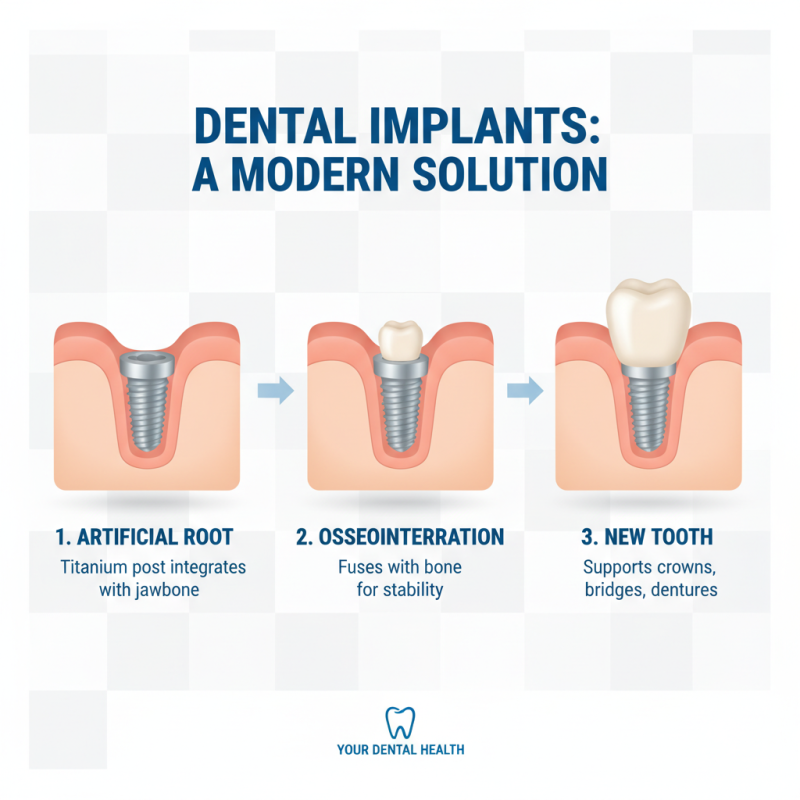
Dental implants have changed how we approach missing teeth. They are artificial roots made of titanium that integrate with the jawbone. This process allows for the attachment of crowns, bridges, or dentures.
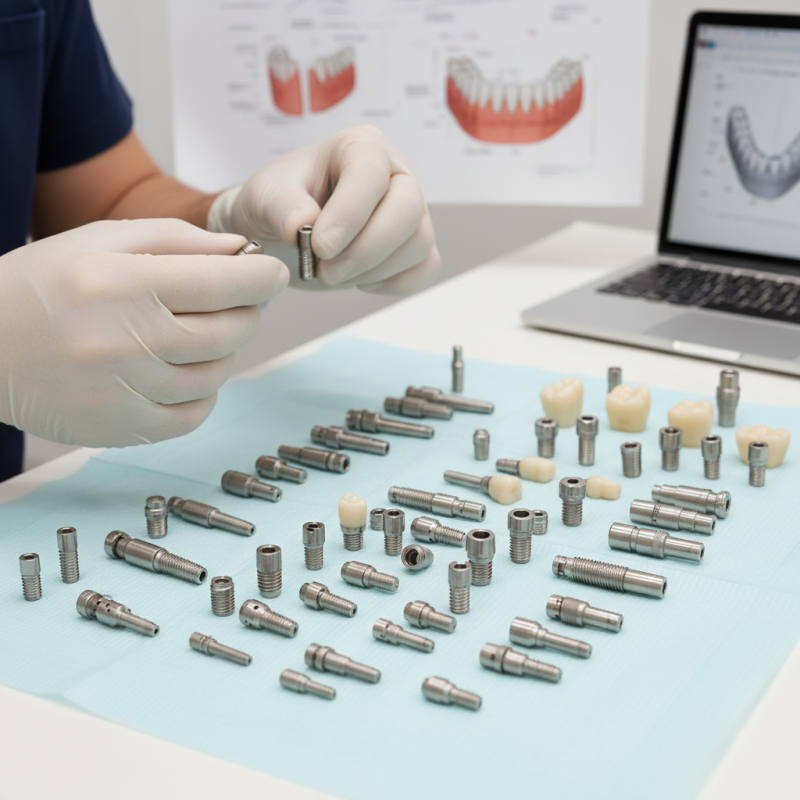
Understanding the installation of dental implants is crucial. The procedure involves several steps. First, a dentist examines the mouth and jaw structure. Imaging tools often help in this assessment. Next, the implant is placed in the jawbone. Healing occurs over several months, allowing the bone to grow around the implant. During this time, a temporary tooth might be used.
Not everyone is suited for dental implants. Those with certain health issues or insufficient bone density may face challenges. It's essential to weigh options carefully. A Wholesale Dental Implant System could provide alternatives. This journey requires careful consideration and a willingness to adapt. In the end, the results can greatly enhance quality of life.
Types of Dental Implant Systems: An Overview
When choosing a dental Implant System, it’s crucial to understand the different types available. Each system caters to various needs. For example, some implants are designed for immediate placement, while others require healing time. Not everyone will find immediate options ideal. Some may prefer a traditional approach, allowing for full integration with the bone.
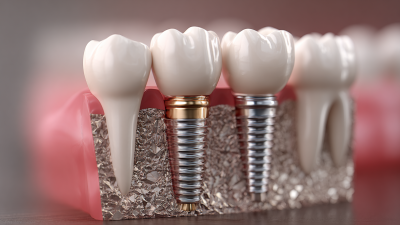
There are several categories of implants. Endosteal implants are the most common. They are placed directly into the jawbone. Subperiosteal Implants sit on top of the bone but under the gum. This choice may suit patients with limited bone height. Additionally, zygomatic implants are for those with significant bone loss. They anchor in the cheekbone, offering a unique solution.
Each system has pros and cons. Design, material, and surgical technique can affect the success rate. Some systems may work well for one patient but not for another. Reflection on personal needs and conditions is vital. A thorough discussion with a dental professional can help identify the best fit. Navigating this journey requires patience and careful thought.
Key Factors to Consider When Choosing an Implant System
Choosing the right dental implant system can feel overwhelming. Many factors play a role in this decision. The type of materials used in the implant is crucial. You want options made from biocompatible materials that will integrate well with the bone. Some systems might offer titanium implants, while others use newer materials.
Another important aspect is the surgical technique involved. Some systems require more invasive procedures, leading to longer recovery times. Consider how your lifestyle might be affected. There are systems that allow for faster healing. Yet, these quicker options may not suit everyone. You must think about your comfort during the healing process.
Beyond technical specifications, look for a system that you can access easily. For instance, a reliable China Dental Implant System can offer advantages in terms of availability. However, you might find that not all providers offer satisfactory service or knowledge. Research is essential. Consult with your dentist and ask questions. Are they familiar with various systems? Do they understand your specific needs?
Top 10 Dental Implant Systems: A Comprehensive Comparison
When considering dental implants, it's essential to understand the differences between various systems available. The Morse Taper Implant System stands out among options due to its unique design and benefits. This system features a tapered interface that enhances stability and promotes natural bone integration. Many dentists appreciate its straightforward placement technique, which can reduce surgery time.
Choosing the right dental implant system can feel overwhelming. Each type has its pros and cons. Factors such as bone density, location in the mouth, and overall health play significant roles in the decision-making process. Some patients find that they need more than one consultation to determine the best approach. Others may wish the process were simpler, often feeling frustrated by the complexities involved.
Another critical consideration is the longevity of the implant. Research shows that some systems perform better over time compared to others. It's vital to discuss specific needs with a dental professional. They can help tailor the choice to individual requirements. Keep in mind that no single system fits everyone perfectly. Reflecting on personal needs and experiences can lead to better choices.
Patient Needs and Preferences: Finding the Right Fit
When considering dental implants, it’s crucial to match the system to your specific needs. Each patient has different dental goals, preferences, and conditions. Some individuals might prioritize quick healing, while others focus on durability. It's important to weigh these factors carefully.
Tips: Think about your lifestyle. If you travel often or have a busy schedule, look for a system that allows shorter recovery time. Discuss your preferences with your dentist. They can guide you in selecting the right implant system.
Comfort is another key factor. Some systems might feel bulkier than others. Test the fit and adjust as needed. Addressing any discomfort early on is essential. Remember, a comfortable implant leads to better long-term satisfaction.
Tips: Keep an open line of communication with your dental professional. Share your concerns and ask questions. Understanding your options can help lead to a better outcome, aligning the choice with your expectations and needs.
Ultimately, the right dental implant system should resonate with you personally.
Latest Innovations in Dental Implant Technology
Innovation is a key driver in dental implant technology, offering new solutions for patients and professionals alike. Recent advancements have made implants more biocompatible, enhancing their acceptance by the human body. Modern materials, like titanium and ceramics, are lighter and stronger. They promote faster healing and reduce the risk of complications.
Digital planning tools are also transforming the implantation process. These technologies allow for customized surgical guides, improving accuracy during the procedure. Virtual simulations enable dentists to anticipate challenges before the surgery occurs. However, despite these improvements, not every case is perfect. Patients can experience variations in healing and integration. Each individual's unique biology can lead to unexpected outcomes.
New techniques, such as immediate loading implants, allow for faster restoration times. Yet, this approach may not suit everyone. There's still a learning curve for practitioners in adapting to these techniques. As the field continues to evolve, it is essential to reflect on individual needs and potential challenges. Personalization in treatment plans is crucial for optimal results.
Consulting with Professionals: The Importance of Expert Guidance
When considering dental implants, seeking professional guidance is essential. Many people feel overwhelmed by choices. Each implant system has distinct features and advantages. Consulting with a dental expert can provide clarity. They help assess your unique situation. Understanding your oral health is key to making an informed decision.
The One Piece Implant System stands out for its design and functionality. It simplifies the procedure, making it less invasive. Still, every patient is different. An expert can help you weigh the pros and cons. They can discuss your lifestyle, budget, and aesthetic goals. This personalized approach ensures you choose the best option.
Experience matters in dentistry. Professionals bring knowledge of the latest technologies. They also understand potential complications and how to navigate them. Regular communication with your dentist is crucial. Have an open dialogue about your concerns. This collaborative process enhances your confidence. It's okay to have doubts; addressing them leads to better outcomes.
Top 10 Dental Implant Systems Which One Is Right for You
| Rank | Implant System | Material | Bone Loss | Success Rate | Average Cost |
| 1 | Titanium Base | Titanium | Minimal | 98% | $3,000 |
| 2 | Zirconia Implant | Zirconia | Moderate | 95% | $3,500 |
| 3 | Mini Implants | Titanium | Low | 96% | $1,500 |
| 4 | Hexagon Connection | Titanium | Moderate | 97% | $2,800 |
| 5 | Internal Connection | Titanium | Minimal | 99% | $3,200 |
| 6 | Angled Implants | Titanium | Moderate | 94% | $3,600 |
| 7 | Immediate Load Implants | Titanium | Significant | 90% | $4,000 |
| 8 | Nobel Biocare | Titanium | Minimal | 96% | $3,750 |
| 9 | Bone Level Implants | Titanium | Low | 99% | $3,100 |
| 10 | Pterygoid Implants | Titanium | Significant | 92% | $4,200 |
Harnessing Innovative Digital Planting Systems for Sustainable Agricultural Growth and Efficiency
As agriculture continues to evolve, the integration of innovative digital planting systems plays a crucial role in achieving sustainable growth and efficiency. These systems leverage advanced technologies such as data analytics, 3D simulations, and digital diagnostics, which enable farmers to make informed decisions that maximize yield while minimizing environmental impact. A notable example is the use of digital tools for precise planting strategies, which can lead to enhanced crop production and resource management.
Recent industry reports underscore the importance of digital transformation in agriculture, highlighting that farms utilizing smart technology can increase their productivity by up to 30%. By employing tools that enable comprehensive diagnostics and data analysis, farmers can optimize planting conditions and effectively manage soil health. Utilizing 3D simulation technology allows for the creation of tailored surgical guides in other fields, suggesting that such precision approaches could be adapted to crop management, ensuring accuracy in seed placement and supporting diversity in cropping systems.
Moreover, the cumulative utilization of advanced digital techniques demonstrates a shift in agricultural practices. For instance, the reported use of over 700,000 digital planting guides showcases the growing reliance on technology to ensure safe and efficient agricultural operations. As more growers adopt these systems, the agricultural sector may witness a significant transformation towards a more sustainable and productive future, paving the way for a new era in farming practices.
FAQS
: The product aims to enhance daily life. It simplifies tasks and improves efficiency.
Follow the instructions provided. Start with basic functions before exploring advanced features.
Yes, the product comes with a limited warranty. Terms vary by purchase location.
Yes, returns are allowed within a specific timeframe. Ensure all components are intact.
The lifespan varies based on usage. Regular maintenance may extend longevity.
Some users report occasional glitches. Feedback is useful for ongoing improvements.
Yes, support is offered through various channels. Response times might vary.
Upgrading options depend on the model. Check compatibility before purchasing additional features.
First, troubleshoot basic issues. If unresolved, contact support for guidance.
It is designed for a wide audience, but individual needs may vary. Testing before full commitment is wise.
Conclusion
Dental implant systems are essential for restoring functionality and aesthetics in patients with missing teeth. Understanding dental implants involves recognizing their structure and purpose, which serve as the foundation for artificial teeth. With various types of dental implant systems available, it is crucial to compare their features, materials, and potential benefits. Key factors such as patient-specific needs, treatment goals, and bone health should guide the selection process.
Additionally, staying informed about the latest innovations in dental implant technology can enhance the effectiveness and comfort of treatment. Consulting with dental professionals is vital; their expertise can help patients navigate options and choose the right dental implant system that aligns with individual circumstances and preferences, ultimately leading to successful outcomes in oral health.