When you're looking into dental restorations, choosing the right Dental Crown Abutment is pretty important. Think of it as the sturdy base that helps hold your crown securely in place. It needs to have the right balance of strength, durability, and compatibility with various dental materials. Honestly, picking the perfect abutment can feel a bit overwhelming, especially if you're shopping from around the world.
There’s quite a range out there—quality and design can vary a lot between brands. Different manufacturers offer different features and use different materials. So, doing some quick research and comparing options is really worth it to make sure you're getting something that works well for you. For example, some abutments might look better and give you a more natural appearance, while others might focus more on lasting functionality.
And don’t forget to think about your personal needs—things like what your patient prefers, what your treatment goals are, and your budget. A good, reliable supplier can make all this easier, guiding you through the choices. Companies like Straumann and Nobel Biocare, for instance, have top-notch insights into their products. Taking the time to understand these options can really help you make smarter decisions when it comes to dental care.
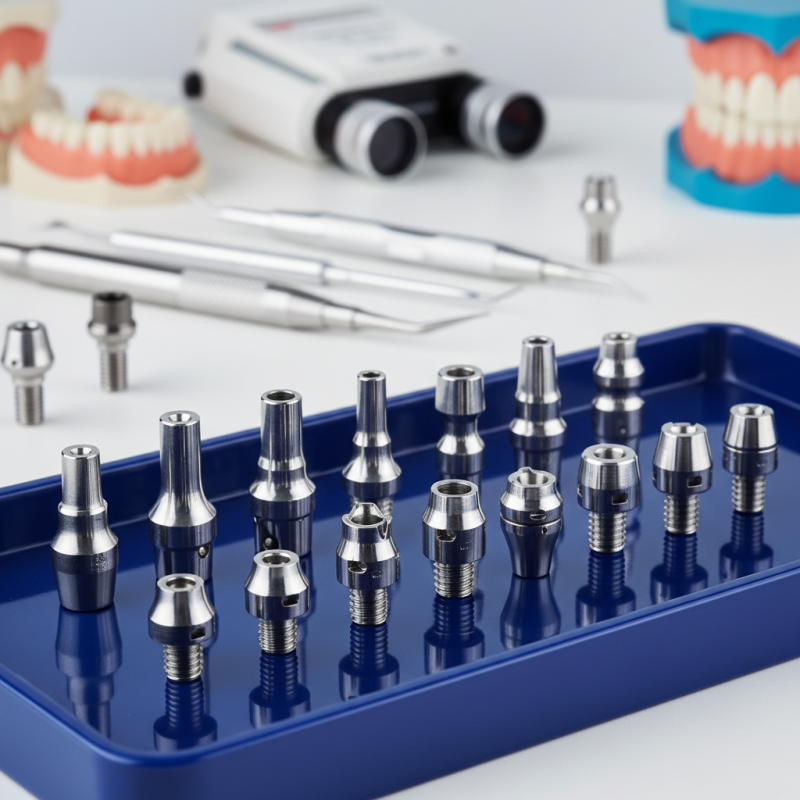
Dental Crown Abutments play a critical role in restorative dentistry. They are designed to support crowns, bridges, or dentures. The right choice of abutment can ensure a secure fit and long-term success. Different types of abutments exist, including prefabricated, custom, and stock options. Each type has its unique benefits and limitations.
Custom abutments offer a tailored fit for individual cases. However, they may take longer to produce. Prefabricated options, while quicker to acquire, might not always provide the ideal fit. Quality of materials is crucial too. Selecting high-quality materials can enhance durability and aesthetic appearance. Some dental professionals may overlook the importance of the material, impacting the longevity of the restoration.
The process of placing abutments often requires advanced skills. It’s essential to have a thorough understanding of each patient's needs. This knowledge helps in achieving the best outcomes. Each case can present its unique challenges. Continuous education and a commitment to best practices are vital for dental providers. Not all abutments are suitable for every situation, and careful consideration is necessary.
| Abutment Type | Material | Compatibility | Insertion Technique | Average Price (USD) |
|---|---|---|---|---|
| Standard Abutment | Titanium | Dental Implants (Various) | Screw Retained | 250 |
| Angled Abutment | Zirconia | Hexagon Implants | Cement Retained | 300 |
| Customized Abutment | Titanium Alloy | Wide Platform Implants | Cement Retained | 350 |
| Transitional Abutment | Plastic | Immediate Implants | Screw Retained | 150 |
| Screw Retained Abutment | Cobalt Chrome | Nobel Implants | Screw Retained | 280 |
| Gold Abutment | Gold Alloy | Single Tooth Implants | Cement Retained | 400 |
| Hexagon Abutment | Titanium | Hex Implant Systems | Screw Retained | 220 |
| Multi-Unit Abutment | Zirconia | Multiple Implants | Cement Retained | 500 |
| Pre-Made Abutment | Titanium | Various Implants | Cement Retained | 200 |
| Temporary Abutment | Plastic | Single Tooth Implants | Screw Retained | 100 |
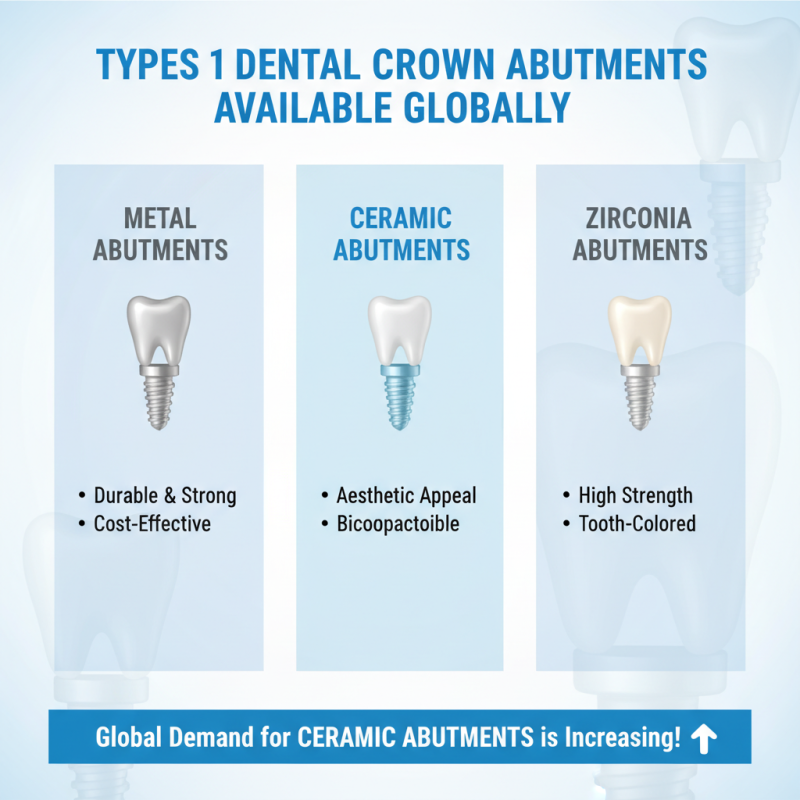
Dental crown abutments play a crucial role in tooth restoration. Various types are available globally. Each type serves specific needs and conditions. Most commonly, metal, ceramic, and zirconia abutments are popular choices. According to a recent market study, the demand for ceramic abutments has increased significantly. This is due to their aesthetic appeal and biocompatibility.
Metal abutments, often made from titanium, offer excellent strength but lack aesthetic quality. Zirconia, on the other hand, is a popular alternative due to its durability and natural appearance. Research indicates that around 30% of dental professionals prefer zirconia over metals for visible areas. Yet, many practitioners express concerns about the material's toughness during the cementation process.
In the ever-evolving dental landscape, the choice of abutment directly impacts patient outcomes. Dental Crown Abutment Manufacturers are continually innovating. However, with new materials come the challenges of long-term performance and compatibility. Many dentists still need clarity on which type best suits their patients’ needs. Balancing aesthetics and functionality is essential in making the right choice in dental treatments.
When selecting dental crown abutments, several crucial factors warrant attention. Material choice is vital, as it impacts durability and biocompatibility. According to the Journal of Prosthodontics, titanium abutments exhibit superior strength and resistance to corrosion. They are particularly favored in cases requiring long-term solutions. However, zirconia abutments are gaining popularity due to their aesthetic appeal. The choice often depends on the specific needs of the patient and the clinical situation.
Another critical factor to consider is the precision of fit. Misalignment can lead to complications, including peri-implantitis. Studies indicate that a tight fit reduces the risk of such conditions. A reliable Dental Crown Abutment Manufacturer should provide components with consistent dimensions to ensure optimal fitting. Additionally, ease of use during the installation process is paramount. Clinicians often prefer abutments that can be adapted or adjusted without extensive modifications.
Finally, understanding legitimate certifications and the manufacturer’s reputation is key. Quality assurance can significantly affect outcomes. Research from the International Journal of Oral and Maxillofacial Implants indicates that manufacturers with demonstrated reliability tend to produce better long-term results. Reflect on these factors when making a choice, as overlooking them may lead to higher maintenance needs and patient dissatisfaction.
Dental crown abutments play a crucial role in restorative dentistry. Choosing the right type can greatly affect the success of dental implants. According to a recent analysis by the American Dental Association, over 20 million dental implant procedures occur globally each year. This number highlights the increasing demand for high-quality abutments.
When selecting abutments, it’s essential to consider materials and design. Titanium and zirconia are popular choices due to their biocompatibility and strength. A report published by the International Journal of Oral & Maxillofacial Implants indicated that titanium abutments have a success rate of 95% over ten years. However, zirconia options also present advantages, particularly in esthetics. They can blend seamlessly with natural teeth, although they may not always provide the same mechanical strength.
Not all abutments will fit every patient’s needs. There may be limitations on the types of restorations each abutment can support. Custom abutments can enhance fit and function but also increase costs. Clinicians must weigh the benefits against potential downsides, such as longer lab times. Failing to understand these nuances may lead to less-than-optimal outcomes. The right guidance in selecting dental crown abutments is invaluable for ensuring patient satisfaction and long-term success.
Dental crown abutments play a crucial role in restorative dentistry. Selecting the right material is essential for durability and aesthetics. Common materials include metal, ceramic, and composite resin. Each has its advantages and drawbacks.
Metal abutments offer strength, but can tarnish over time. Ceramic provides a more natural look, yet may be less durable. Composite resin is versatile but can wear down faster. Patients often face dilemmas choosing the best option. The decision hinges on the specific clinical situation and preferences.
Dentists must weigh these factors carefully. It’s not just about functionality but also patient comfort and satisfaction. Misalignment can lead to complications. Understanding the nuances of each material can help in making informed decisions for dental health.
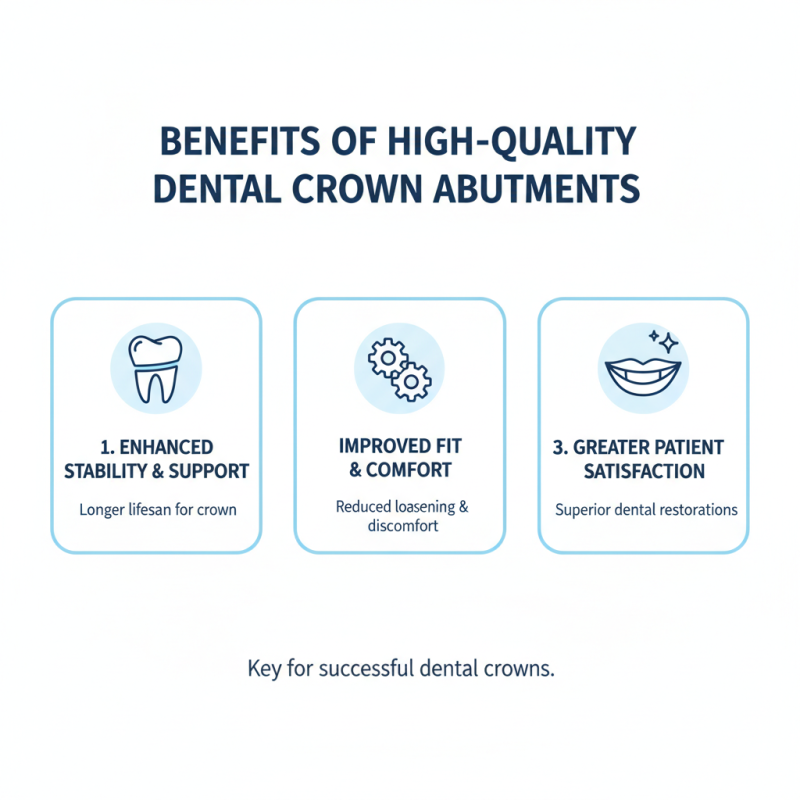
When it comes to dental crowns, the abutment is crucial. High-quality dental crown abutments offer several notable benefits. They provide better stability and support for the crown, which is essential for longevity. A well-made abutment can improve the overall fit, reducing issues like loosening or discomfort. Patients often report improved satisfaction when high-quality materials are used. This makes a significant difference in dental restorations.
Here are some tips for choosing the right dental crown abutments. Always check for reliable manufacturers with a good reputation. Look for options that ensure compatibility with various crown materials. High-quality abutments may be priced higher, but the investment often leads to fewer complications. A more durable abutment can save time and money in the long run.
Choosing to purchase Wholesale Dental Crown Abutments can lead to cost savings. However, prioritizing quality over simply looking for cheap options is crucial. Seek out suppliers who provide transparency about materials and manufacturing processes. Ensure they have quality control measures in place. These steps can prevent issues that compromise patient care.
When purchasing dental crown abutments internationally, certain factors deserve attention. Understanding material quality, for instance, is essential. Different materials have varying lifespans and biocompatibility. Careful evaluation of these properties can greatly influence overall patient outcomes. Not every factory adheres to the same standards, so doing your research helps ensure reliable products.
Additionally, communication with Dental Crown Abutment Factories is vital. Clear dialogue about specifications and expectations prevents misunderstandings. Sometimes, language barriers create complications. Always request samples or visit facilities when possible. This not only builds trust but also allows for firsthand inspection of production processes.
Quality assurance processes are another area to scrutinize. Some factories might not follow best practices. Exploring certifications can reveal a lot. Look for those that maintain high industry standards. This commitment to quality often translates into better products. A little reflective thought here can improve your overall strategy in sourcing dental crown abutments effectively.
: Titanium and zirconia are popular choices. Titanium is strong and corrosion-resistant. Zirconia is more aesthetically appealing.
A precise fit is crucial to prevent complications like peri-implantitis. Misalignment can lead to patient dissatisfaction.
No, each abutment has specific limitations. Some may not support all types of restorations effectively.
Titanium abutments have a 95% success rate over ten years, according to recent studies. Their durability makes them a reliable choice.
Yes, a manufacturer’s credibility is important. Quality assurance can impact the long-term success of dental implants.
Abutments that are easy to install save time. Clinicians prefer those that can be adjusted without major alterations.
Custom abutments can enhance fit and function. However, they might increase costs and require longer lab times.
Certifications indicate quality assurance. A certified product can lead to better patient outcomes and satisfaction.
Zirconia offers good aesthetics, but it may lack the mechanical strength of titanium. Consider your priorities before choosing.
Ignoring key aspects may lead to higher maintenance needs and dissatisfaction. Patient outcomes depend on careful consideration during selection.
The article "Top 10 Dental Crown Abutments for Global Buyers Need Guidance?" provides a comprehensive overview of dental crown abutments, essential components in dental restorations. It discusses the various types of dental crown abutments available globally, highlighting the importance of considering factors such as material, design, and compatibility when making a selection.
Furthermore, the article presents a comparative analysis of different materials used in dental crown abutments, emphasizing the benefits of choosing high-quality options for longevity and patient satisfaction. To assist international buyers, it outlines guidelines for purchasing dental crown abutments, ensuring they make informed decisions. Overall, this guidance is crucial for those navigating the complex landscape of dental restorations to find the most suitable abutments for their needs.