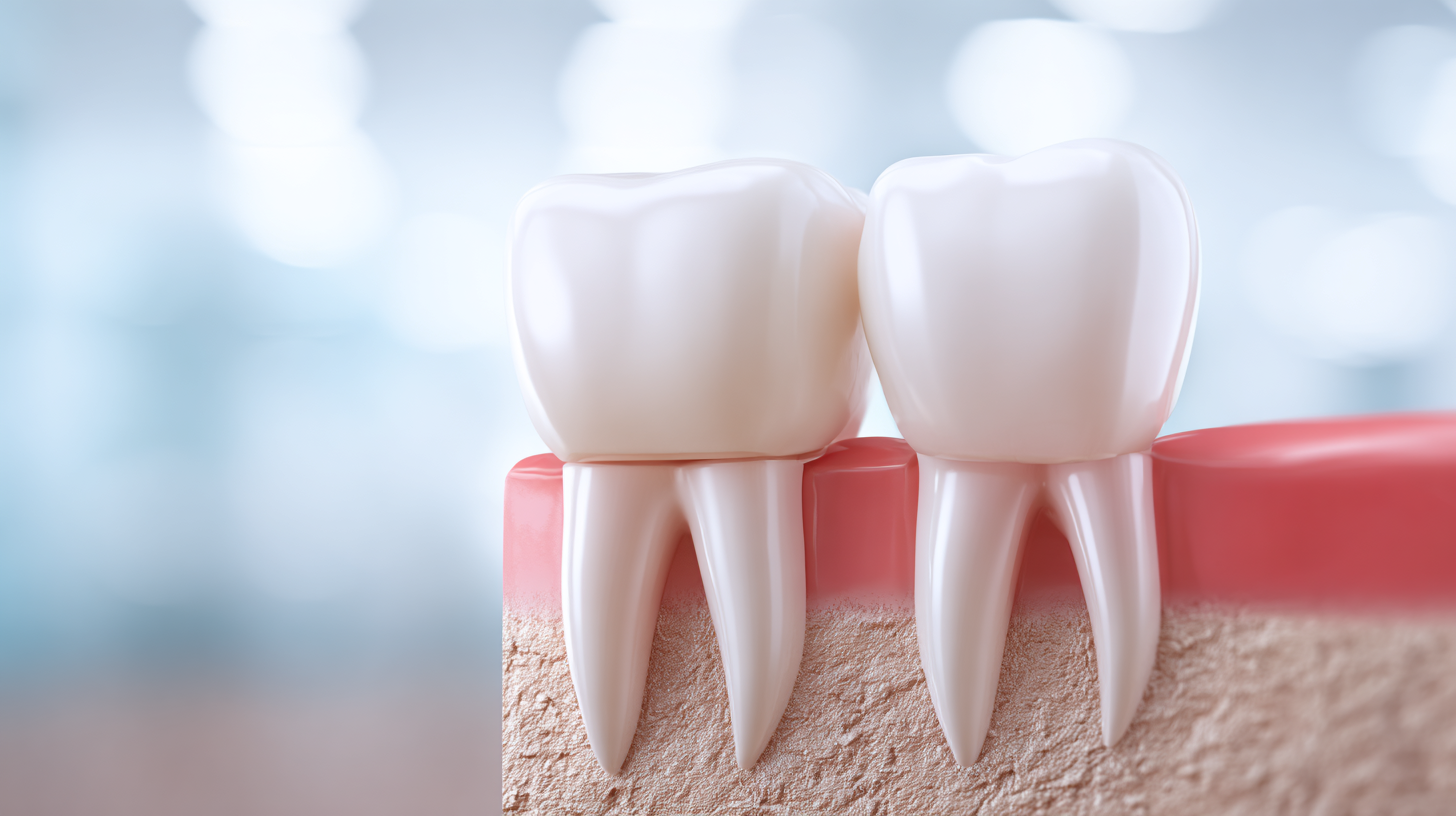
In the ever-changing world of modern dentistry, when it comes to things like Abutment Tooth applications, they're really playing a big role in improving patient outcomes and making Dental Implants work better overall. Honestly, Zhejiang Trusyou Medical Instruments Co., Ltd. is right there at the cutting edge of this shift. They're using some pretty advanced tech and digital solutions to meet the needs of folks all around the globe. The company was founded back in 2012, and they do everything from research and development to designing, manufacturing, and selling. They’ve put out some pretty innovative dental implant systems and surgical tools — the kind of stuff that’s precise and reliable. This guide's gonna walk you through some real-world examples of Abutment Tooth applications, showing how they’re used in modern dental practices and why they matter for giving patients solid, long-lasting solutions for their restorative dental needs.
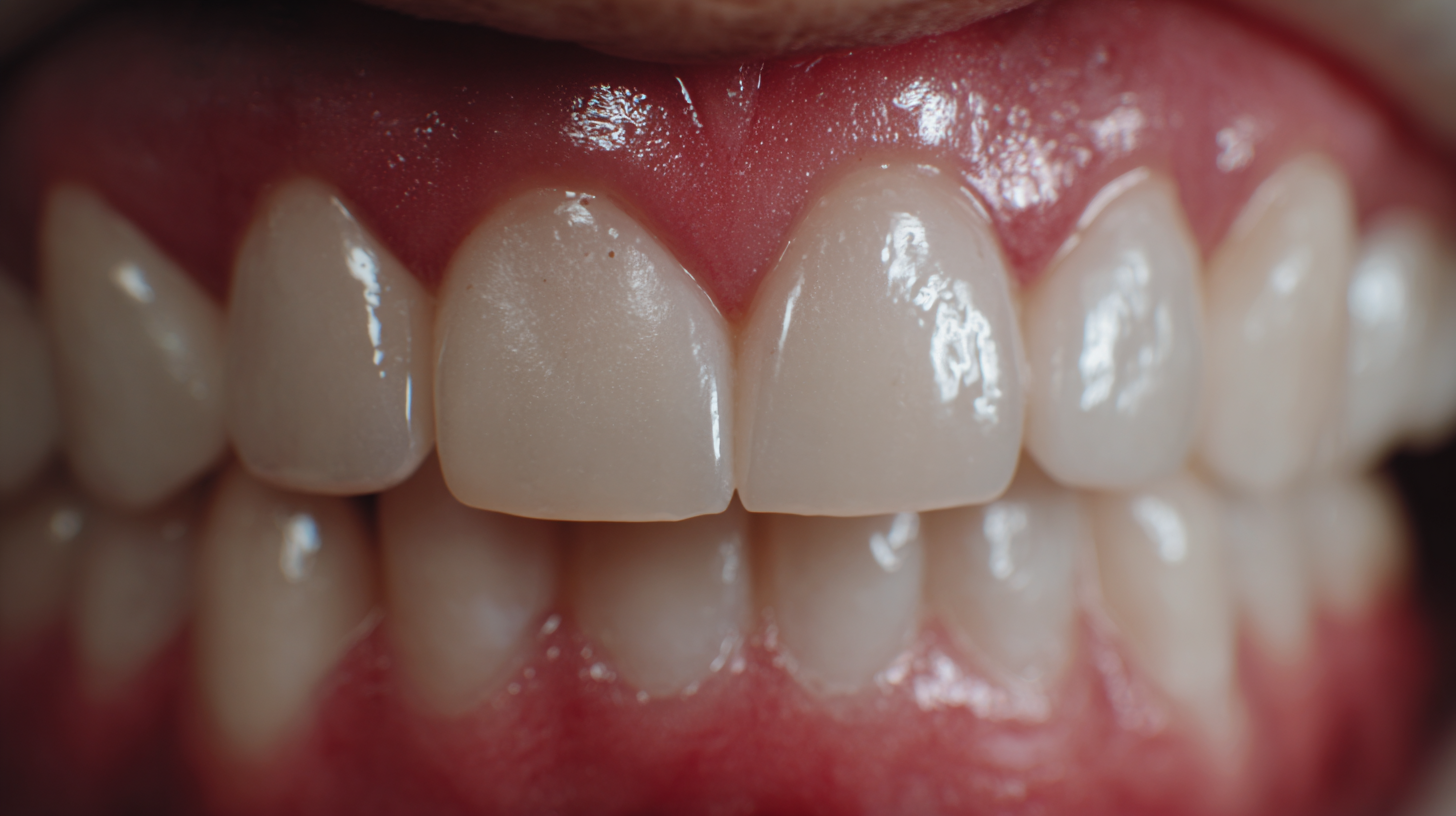
Unique Abutment Tooth Materials: Innovations Transforming Modern Dentistry
Nowadays, when it comes to dentistry, the materials we use for abutment teeth really make a difference in how well restorative treatments turn out. Lately, researchers have been shining a spotlight on high-strength ceramics like 4Y-TZP for three-unit monolithic fixed dental prostheses (FDPs). These ceramics are pretty impressive—they handle loads really well and look just like natural teeth, so they blend seamlessly. Plus, newer ways of testing these FDPs have set higher standards for reliability, showing they’re pretty promising for real-world dental work.
On top of that, cutting-edge digital scanning tech has revolutionized things. It helps with pinpoint accurate implant placement and cuts down on surgical mistakes. These digital tools even make designing custom templates easier, making the whole process more efficient. The combo of these advanced materials and digital innovations really marks a shift in how we tackle complex dental restorations. Also, there's been some recent research on soft tissue integration, which highlights how crucial it is to pick the right materials for creating stable, natural-looking interfaces—kind of like a yin-yang of biological and material strategies for the best aesthetic results.
Influence of Digital Technology on Abutment Tooth Customization
You know, these days, digital tech has totally changed the game in modern dentistry, especially when it comes to customizing abutment teeth. Dentists can now use pretty advanced software to create super accurate 3D models of your mouth. This means the abutments they design fit like a glove—more natural, better looking, and way more functional. And get this, instead of the old-school impression molds, they’re now using digital scans, which are a lot quicker and way more comfortable for you.
Hey, if you’re thinking about getting an abutment, it’s a good idea to ask your dentist if they’re using the latest digital imaging tools. That way, you’re more likely to get a perfect fit that lasts longer. Also, don’t hesitate to ask about what kind of software they’re using—it really makes a difference in how well your restoration turns out, and it can be tailored just for your needs.
What's pretty cool is that digital workflows can speed things up big time. With technologies like CAD/CAM, your dentist might be able to mill your abutment right in their office, which cuts down on wait times and means fewer visits for you. It’s all about making the whole process smoother and less of a hassle.
So, when you talk to your dentist, ask about CAD/CAM systems and how they can benefit you. Knowing a bit about the tech helps you understand and appreciate the high-tech care you’re getting—ensuring your final result isn’t just functional, but also looks great.
Case Studies: Successful Applications of Abutment Teeth in Prosthodontics
Lately, there’s been a lot more focus on abutment teeth in the world of prosthodontics — and for good reason. These teeth play a pretty crucial role when it comes to making dental restorations not just stable, but also long-lasting. I came across a case study in the
Emerging Trends in Abutment Tooth Design and Functionality
You know, when it comes to modern dentistry, there's been some pretty exciting progress in how we design and use abutment teeth. Thanks to tech like CAD/CAM and new materials, things are getting way better. Recent studies even show that how you design the abutment can really make a difference in how long dental implants last and how well they work. For example, getting that passive, perfect fit in the prosthetic parts actually helps reduce complications and makes patients happier in the long run.
And it doesn’t stop there — researchers are diving into things like 3D bioprinting to create more advanced biomaterials for jaw and facial bones. This means we can personalize abutments more than ever before and also use fancy surface tech that encourages the bone to really fuse with the implant. With all the ongoing research on titanium and other biocompatible materials, the future of abutment design looks super promising—think better strength and resistance to corrosion.
Here’s a tip: when you're choosing an abutment, it's really important to think about each patient’s unique needs—things like their anatomy and how they want their smile to look. Staying updated on the latest in implant tech is key, too, because it helps us make smarter decisions and give better results. And don’t forget, continuous learning and keeping up with new techniques is what keeps us on top of this ever-changing field.
Challenges and Solutions in the Use of Abutment Teeth
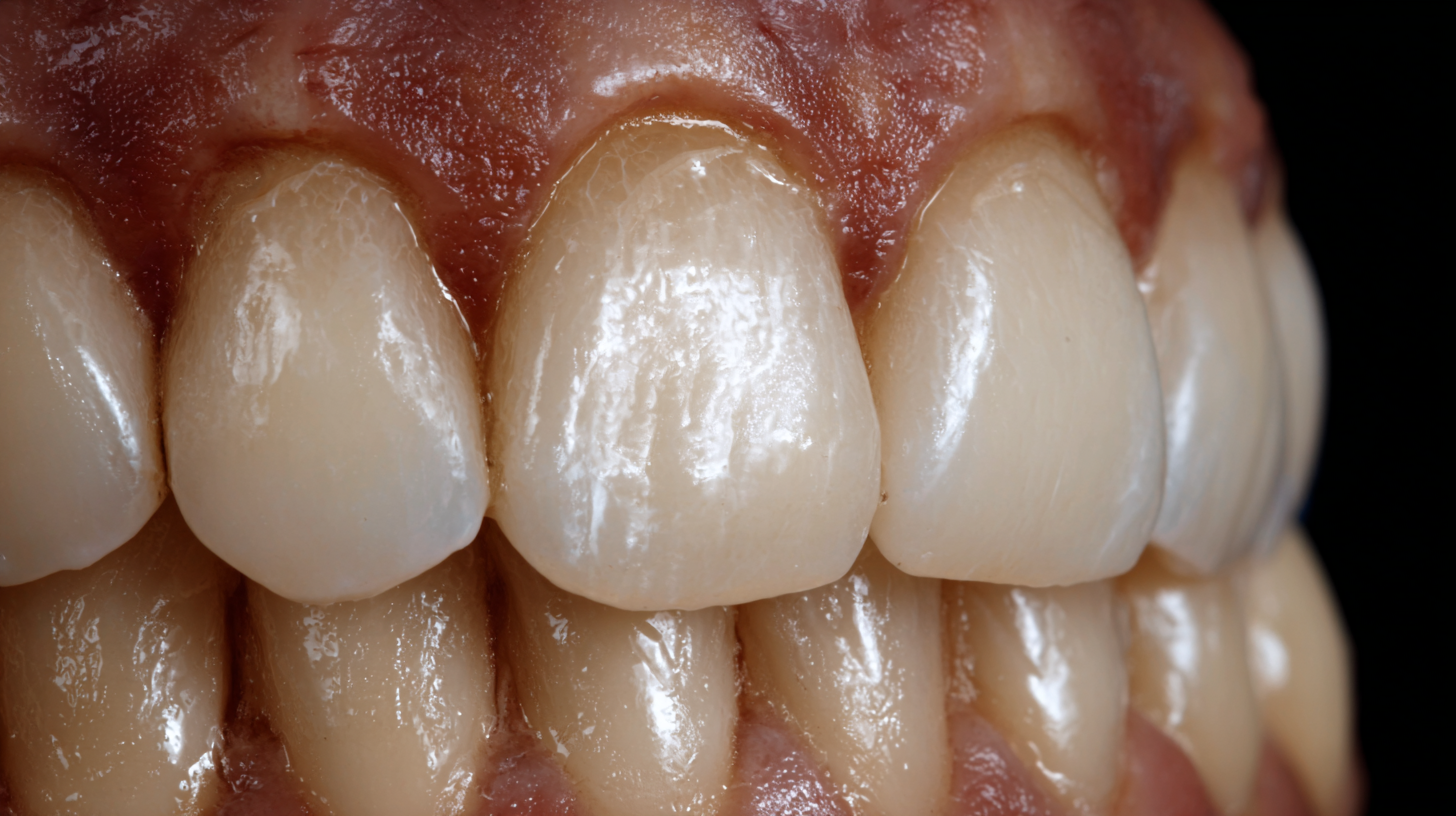 Abutment teeth are pretty important in modern dentistry, especially when it comes to supporting different kinds of prosthetic devices. That said, using them isn’t always straightforward — there are some challenges, for sure. One big thing is figuring out if those teeth are strong enough to handle the forces from things like bridges or implant-supported restorations. If they’re not in good shape, they might not be able to handle the stress, and that could mean the whole prosthetic might fail. So, dentists really need to do thorough checks and use imaging techniques to make sure the abutment teeth are solid enough for what’s needed.
Another tricky part is the gum health around those teeth. Sometimes, abutment teeth can be prone to gum disease, and that can make treatment more complicated and even affect how long the restoration lasts. To prevent issues, careful periodontal care is key — things like deep cleaning, educating patients about good oral hygiene, and keeping a close eye on gum health. By paying attention to both the strength of the teeth and their gum health, dental pros can boost the chances of success and make sure patients end up with restorations that are not just durable but also functional and comfortable.
Patient-Centric Approaches: Enhancing Comfort with Abutment Tooth Solutions
Abutment teeth really play a crucial role in modern dentistry, especially when it comes to making patients feel more comfortable and satisfied. Here at Zhejiang Trusyou Medical Instruments Co., Ltd., we get it – choosing the right abutment solutions isn’t just about the technical side, but also about how it impacts the patient. That’s why we focus on designing every component with their comfort and ease in mind. By offering high-quality dental Implant Systems and tools, we're helping to make dental treatments less intimidating, so patients can feel more at ease while still getting great results.
When it comes to using abutment teeth, it’s so important to consider each patient’s unique needs. Here are a few tips for dentists out there: First off, always do a thorough assessment before settling on a particular type of abutment, since everyone’s anatomy is a bit different. Second, try using digital planning tools to show patients what to expect – honestly, it really helps them understand the procedure better and feel more comfortable. And last but not least, always go for biocompatible materials that support healing and cut down on post-surgery discomfort.
At Trusyou, we're all about staying patient-focused and leveraging the latest technology in our products. Our goal is to keep improving both the experience for dental professionals and their patients. This way, we can create a smooth, supportive environment during treatment, which ultimately leads to happier patients and healthier smiles.
Exploring Unique Examples of Abutment Tooth Applications in Modern Dentistry - Patient-Centric Approaches: Enhancing Comfort with Abutment Tooth Solutions
| Application Type | Patient Comfort Level | Material Used | Duration of Use | Notes |
| Dental Implants | High | Titanium | Permanent | Excellent integration with bone |
| Abutment Crowns | Moderate | Ceramic | 5-15 years | Aesthetic and functional |
| Custom Abutments | High | Zirconia | Permanent | Enhanced aesthetics and fit |
| Temporary Abutments | Moderate | Plastic | Up to 6 months | Used during healing period |
| Bar Overdentures | High | Metal alloy | Permanent | Stable and removable option |
FAQS
: Digital technology allows for the creation of highly accurate 3D models of patients' oral structures, enabling the design of precisely fitting abutments that enhance both functionality and aesthetics.
Digital impressions replace traditional methods, significantly reducing chair time and improving patient comfort by making the process quicker and less invasive.
CAD/CAM technology enables the in-house milling of abutments, which reduces patient waiting times and streamlines the overall treatment process, minimizing the need for multiple visits.
The selection of strong and healthy abutment teeth is vital for the stability and longevity of dental restorations, impacting both function and aesthetics.
Key challenges include assessing the structural integrity of abutment teeth and ensuring their periodontal health, as compromised teeth can lead to restoration failure.
Poor periodontal health can affect the longevity and treatment outcomes of restorations, making proactive periodontal care essential for sustaining the health of abutment teeth.
Advanced imaging techniques allow dentists to make thorough examinations of abutment teeth, ensuring they are robust enough to handle the stresses of dental restorations.
According to a 2022 survey, 78% of dental professionals reported that incorporating abutment teeth enhances the overall rehabilitation process.
Patients should inquire about the digital imaging technology and CAD/CAM systems used by their dentist to ensure a more accurate fit and improved treatment outcomes.
Conclusion
You know, in today’s modern dentistry game, exploring different ways to use abutments has really pushed the boundaries and led to some pretty exciting advancements. There’s a whole range of unique abutment materials coming into play, and they’re seriously changing the game—making things not just more durable, but also way more aesthetic. And let’s not forget how digital technology has totally transformed how dentists customize these abutments, making them fit each patient perfectly. I’ve seen some case studies that really showcase just how vital abutments are in prosthodontics; they’re truly a key piece in restoring smiles.
Looking ahead, it’s clear that emerging trends in how we design and use abutment teeth are really shaping the way treatments are approached. Of course, there are challenges along the way, but innovative solutions are constantly being developed to tackle those. What’s really cool is that there’s a strong focus on putting patients first—giving them comfort and satisfaction every step of the way. And with companies like Zhejiang Trusyou Medical Instruments leading the charge in R&D and digital tech, the future of abutment applications looks bright. Things are only going to get better and more effective for patients all over the world.