



Dental Implant Biomaterials: Overview of Bioceramics, Metals, Carbon, and Polymers
1. Bioceramics
Bioceramics utilized in oral implantology are primarily categorized into bioactive ceramics and bioinert ceramics:
-
Bioactive Ceramics: These primarily include hydroxyapatite (HA) ceramics, bioactive glass-ceramics, and calcium phosphate ceramics. Featuring excellent biocompatibility, their chemical composition closely mirrors the inorganic matrix of human bone tissue. When implanted adjacent to vital bone, bioactive ceramics chemically bond with host bone and actively participate in osseous metabolism, effectively promoting new bone formation.
-
Bioinert Ceramics: Mainly represented by single-crystal alumina (aluminum oxide) and zirconia. These materials exhibit high compressive strength, superior chemical stability, and wear resistance. They demonstrate minimal chemical degradation in vivo and form a stable, non-reactive physical interface with the surrounding peri-implant tissues.
2. Metals & Alloys
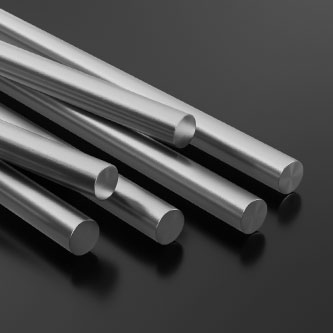
Pure titanium and medical-grade titanium alloys (such as Grade 4 pure titanium and Ti-6Al-4V ELI) represent the benchmark biomaterials in modern dental implant systems:
-
Surface Passivation & Biocompatibility: Titanium rapidly forms a dense, self-healing oxide layer ($TiO_2$) when exposed to oxygen, creating an inert biochemical interface between the host tissue and the metallic surface. This stable titanium dioxide layer acts as an effective protective barrier, inhibiting adverse inflammatory responses and supporting efficient osteoblast adhesion.
-
Mechanical Properties & Stress Distribution: Titanium and its alloys provide high tensile and fatigue strength. However, because the elastic modulus of metallic implants is higher than that of cortical and cancellous bone, precise macro- and micro-implant design is essential to optimize stress distribution and avoid localized stress concentration at the bone-implant interface.
-
(Note: While cobalt-chromium alloys and related materials possess high corrosion resistance and mechanical strength, they are predominantly utilized in orthopedic joint replacements or prosthetic superstructures rather than endosseous dental fixtures.)
3. Carbon Materials
Carbon-based biomaterials (such as pyrolytic carbon and glassy carbon) demonstrate favorable biological tolerance, non-toxicity, and an elastic modulus that closely resembles natural trabecular bone. However, their dark color presents aesthetic challenges in the oral cavity, and their brittle nature under shear stress limits their widespread standalone clinical application in modern dental implantology.
4. Polymer Materials
Polymers investigated for oral and maxillofacial use include acrylics, polytetrafluoroethylene (PTFE), and polyetheretherketone (PEEK):
-
Biological Stability Considerations: In general, traditional degradable polymers remain challenging in long-term load-bearing endosseous applications due to the complex oral microenvironment. Polymer breakdown products or wear debris can induce local foreign-body reactions, characterized histologically by macrophage infiltration and fibrous encapsulation rather than direct osseointegration.
-
Current Indications: Advanced high-performance polymers (such as medical-grade PEEK) are now primarily applied as temporary abutments, restorative frameworks, or CAD/CAM healing components, rather than structural primary dental implants.