



How to properly clean and sterilize surgery instruments to ensure surgical safety?
How to properly clean and sterilize surgery instruments to ensure surgical safety?
Cleaning and sterilizing Surgery Instruments is an important step to ensure surgical safety. The specific process is as follows:
-
Preliminary cleaning:
-
After surgery, perform an initial cleaning of the instruments as soon as possible to prevent blood, tissue, and other biological material from drying on the instrument surface. Rinse the instruments with saline or water to remove visible dirt.
-
Soaking:
-
Soak the instruments in an appropriate cleaning solution (e.g. enzymatic cleaner) to break down organic matter. Soak for the required time according to the cleaning agent’s instructions.
-
Mechanical cleaning:
-
Use an ultrasonic cleaner or mechanical cleaning equipment to clean the instruments. Ultrasonic cleaning can effectively remove fine dirt and blood stains, ensuring that the instruments are thoroughly clean.
-
Manual cleaning:
-
For instruments with complex shapes, manual cleaning may be necessary. Use a soft-bristled brush and appropriate cleaning agent to ensure that every part is cleaned.
-
Rinse and Dry:
-
After cleaning, rinse the instruments thoroughly with clean water to remove any cleaning agent residues. Then place the instruments in a dryer or wipe them dry with a lint-free cloth.
-
disinfect:
-
Choose the appropriate sterilization method based on the type of instrument. Common sterilization methods include:
-
Autoclaving: Suitable for metal instruments that are resistant to high temperatures.
-
Chemical sterilization: Applicable to instruments that are not resistant to high temperatures, such as some plastic instruments, soaked in chemical disinfectants (such as glutaraldehyde).
-
Packaging and Storage:
-
Sterilized instruments should be stored in sterile packaging to ensure sterility until use.
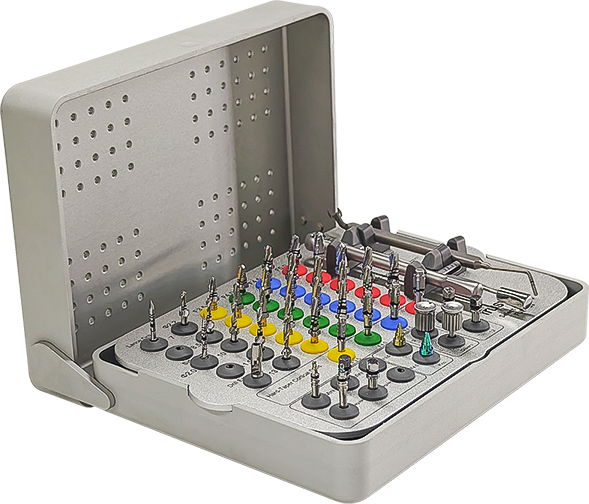
What are the basic categories of surgery instruments?
surgery instruments can usually be classified according to their functions and uses, mainly including the following categories:
-
Cutting instruments:
-
Purpose: Used for cutting tissue or materials.
-
Examples: scalpels, scissors, razor blades, etc.
-
Clamping device:
-
Purpose: Used to clamp, fix or compress tissue.
-
Examples: tweezers, clamps, pliers, etc.
-
Suture instruments:
-
Purpose: Used to suture incisions or tissues.
-
Examples: Suture needles, suture threads, suture forceps, etc.
-
Suction Device:
-
Purpose: Used to absorb body fluids or blood and keep the surgical area clear.
-
Example: Suction tube, suction device, etc.
-
Dilation Device:
-
Purpose: Used to dilate incisions or cavities to facilitate surgical operations.
-
Examples: Dilators, spreaders, etc.
-
Fixed Device:
-
Purpose: Used to fix bones or other tissues.
-
Examples: bone screws, plates, splints, etc.
-
Electric equipment:
-
Purpose: Used to cut, weld or coagulate tissue, usually driven by an electrical source.
-
Example: electric knife, laser knife, etc.
What specific uses does each category of instrument have during surgery?
Each category of surgery instruments has a specific purpose in surgery, as follows:
-
Cutting instruments:
-
Purpose: Used to precisely cut tissue, make surgical incisions or remove diseased tissue. The design of scalpels and scissors enables them to make effective cuts in different surgeries.
-
Clamping device:
-
Purpose: Used to clamp and fix tissues, helping surgeons to better operate during surgery. Forceps are used to grab small objects, while clamps are used to fix larger tissues.
-
Suture instruments:
-
Purpose: Used to sew incisions or tissues together to promote healing. The choice of suture needles and sutures depends on the type of surgery and tissue type.
-
Suction Device:
-
Purpose: Used to remove blood and body fluids from the surgical area, keep the field of vision clear, and facilitate the surgeon’s operation. The design of the suction device enables it to effectively suck out fluids without damaging surrounding tissues.
-
Dilation Device:
-
Purpose: Used to expand the incision or cavity to facilitate the surgeon to perform the operation. The use of the expander can reduce damage to the tissue and provide better operating space.
-
Fixed Device:
-
Purpose: Used to fix bones or other tissues to ensure stability during the healing process. The use of bone nails and plates can help fractures heal.
-
Electric equipment:
-
Purpose: Used for efficient cutting, welding or coagulation of tissues, reducing bleeding and damage. The use of electric knives and laser knives can improve the accuracy and safety of surgery.
What is the importance of training in the use of surgery instruments to novice surgeons?
Training in the use of surgery instruments is crucial for novice surgeons, mainly in the following aspects:
-
Improve operational skills:
-
Through training, novice surgeons can learn how to use various Surgical Instruments correctly, improve their operating skills and confidence, and reduce errors during surgery.
-
Understand the function of the device:
-
Training enables doctors to understand the function and purpose of each instrument, helping them to choose the appropriate instrument during surgery and improve surgical efficiency.
-
Security Awareness:
-
Training can enhance the safety awareness of novice doctors, so that they understand how to avoid instrument failure and accidental injuries during surgery and ensure patient safety.
-
Teamwork:
-
Surgery usually requires teamwork. Training can help novice doctors learn how to communicate and collaborate effectively with other team members to ensure the smooth progress of the operation.
-
Response to emergencies:
-
Training can also help novice doctors learn how to deal with emergencies during surgery, such as instrument failure or unexpected bleeding, and improve their ability to respond.