


Long-Term Stability: Why Titanium Dental Implants Remain the Gold Standard in Restorative Dentistry
Long-Term Stability: Why Titanium Dental Implants Remain the Gold Standard in Restorative Dentistry
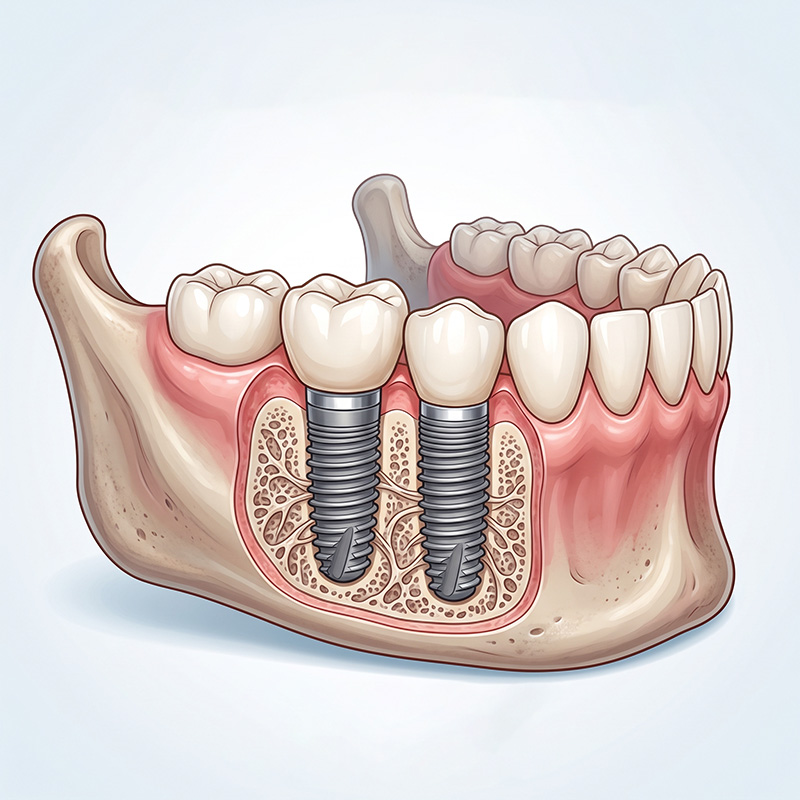
The world of restorative dentistry has undergone remarkable advances in recent decades, but one constant remains—titanium Dental Implants continue to be regarded as the gold standard for tooth replacement. This comprehensive article explores why titanium remains the preferred material for dental implants, how its long-term stability benefits patients, and what potential buyers and patients should know when considering dental implant solutions for their oral health.
The Evolution of Tooth Implant Technology
When people hear the term Tooth Implant, what they’re usually referring to is the replacement of a missing tooth root with an artificial post—most commonly made of titanium. Dental implants have been around since the 1960s, pioneered by Dr. Per-Ingvar Brånemark, who discovered titanium's ability to fuse with bone, a process called osseointegration.
This breakthrough revolutionized the field, making dental implants not only feasible, but also incredibly successful in terms of longevity. Over the years, advancements in surgical techniques, implant design, and material science have improved patient outcomes, but titanium dental implant solutions remain dominant, often implemented in both single tooth implant procedures and full arch restorations.
What Makes Titanium the Gold Standard in Dental Implants?
The choice of material is pivotal. Among all possible materials, titanium stands out for several key reasons:
First, titanium is highly biocompatible. Its non-reactive nature allows it to integrate with human bone without risk of rejection or allergic reaction. The phenomenon of osseointegration—which is when the bone grows directly onto the implant's surface—ensures that the implant becomes truly anchored into the jawbone, promoting stability and durability over years or decades.
Second, titanium’s strength-to-weight ratio is unmatched. It’s strong enough to withstand biting forces while being light and comfortable for patients. The versatility of titanium means it can be used in a variety of implant designs, from tiny posts for narrow gaps to wider fixtures for molar replacements.
Third, titanium has an outstanding track record—over fifty years of clinical evidence. Studies consistently show high success rates (over 95% in many cases), and most failures that do occur stem from factors unrelated to the material itself, such as surgical errors or patient health issues.
The lasting stability and proven reliability of titanium are why most leading dental implant manufacturer companies continue to rely on it for their products.
Longevity and Performance: Comparing Titanium Implants to Alternatives
While titanium remains the gold standard, other materials like zirconia have emerged for those seeking metal-free options. However, zirconia implants, while aesthetically pleasing and sufficiently strong, do not offer the same long-term performance or flexibility as titanium. The risk of fracture, difficulty of placement, and lack of extensive research backing zirconia implants can make them less desirable for general cases.
In contrast, titanium dental implants are adaptable to almost every clinical situation—whether it’s replacing a single tooth, multiple teeth, or anchoring full dentures. Their modularity allows for customizable solutions, fitting the complexities of different jawbone densities, patient habits, and aesthetic demands.
The long-term success rate of titanium is also reinforced by its ability to withstand oral environments where humidity, temperature changes, and bacterial presence challenge lesser materials. Patients who opt for titanium can expect their dental implant to last 20 years or more, provided they maintain proper oral hygiene and regular checkups.
Clinical Benefits for Patients: Stability, Comfort, and Functionality
Why do dentists and oral surgeons recommend titanium? The answer lies in its superior clinical outcomes. Titanium's integration into the jawbone provides an unmatched level of stability. Unlike removable dentures, there’s no risk of slippage, discomfort, or speech interference with an implant secured directly in the bone.
For patients considering a single tooth implant or multiple implants, titanium offers the closest solution to a natural tooth. The structural support allows patients to eat, speak, and smile confidently, without the restrictions often associated with other forms of tooth replacement. Furthermore, titanium doesn’t corrode or degrade within the mouth, limiting risk and ensuring a worry-free lifestyle.
Patients who choose titanium implants also enjoy better preservation of facial structure. Since the implant stimulates the surrounding bone, it prevents bone loss—a common side effect following tooth extraction.
The remarkable comfort and durability offered by titanium implants mean fewer complications during the healing process and a lower risk of failure in the long run.
Addressing Buyer Concerns: What to Expect from Dental Implant Surgery
One concern for many patients and buyers is the surgical process itself. Modern dentistry has made implant placement safer and more predictable than ever before. Preparation often involves a consultation, imaging tests (such as dental X-rays or CT scans), and a thorough evaluation of jawbone health.
The procedure for a tooth implant is typically performed under local anesthesia, minimizing discomfort. After placement, osseointegration begins—the bone starts to heal around the titanium post, usually taking several months. Once healed, an abutment and crown are affixed, completing the restoration.
Leading dental implant manufacturer companies design their implants with textured surfaces, further improving osseointegration and reducing healing times. In some cases, immediate loading is possible, meaning the crown can be placed right after surgery if stability allows.
Complications are rare, but it’s essential to follow post-operative instructions. Most patients report minimal pain and quick recovery, especially with proper planning and skilled surgical hands. The reward is a permanent solution with unmatched aesthetics and function—qualities that titanium implants deliver exceptionally well.
Why Titanium Is Still the Gold Standard for Single Tooth Implants: FAQ
Why is Titanium Still Considered the Gold Standard for Single Tooth Implants? The primary reason is its proven success in integrating with bone and maintaining stability for decades. Titanium's unique properties—biocompatibility, strength, and longevity—make it suitable for even challenging cases. It is the safest and most reliable option currently available, supported by decades of clinical and scientific evidence.
How Long Will a Titanium Dental Implant Last? Most titanium implants last 20 years or more with proper oral care. Their durability often exceeds that of other restorative options, and the material does not degrade or corrode over time.
Are There Any Risks or Drawbacks to Titanium Dental Implants? All surgeries carry risks, but titanium implants are associated with low complication rates. Some patients may experience slight swelling or bruising post-surgery, but severe reactions are rare. Allergic responses to titanium are practically nonexistent due to its non-reactivity.
Is Titanium Suitable for Patients with Metal Sensitivities? Titanium is hypoallergenic, meaning it rarely causes any allergic reaction. However, patients with concerns should consult their dentist for testing or alternative options like zirconia.
How Does Titanium Compare to Zirconia or Other Materials? Zirconia implants can be aesthetically superior (pure white color) but lack the research depth and flexibility of titanium. For most clinical situations—especially a single tooth implant—titanium is safer and more reliable.
What Is the Success Rate of Titanium Dental Implants? Clinical studies show titanium implant success rates upwards of 95%, with most failures due to non-material factors, such as poor bone quality or hygiene.
Making the Right Choice: Selecting a Dental Implant Manufacturer
For those interested in purchasing or recommending implants, choosing the right dental implant manufacturer is crucial. Top manufacturers invest in quality control, rigorous testing, and continuous research. Look for companies with ISO certifications, FDA approval, and a portfolio of peer-reviewed studies to ensure implant quality.
Customers should also consider the manufacturer’s warranty, support, and product range. Modern titanium implants come in a variety of shapes, sizes, and surface treatments—each tailored for specific clinical challenges. A reputable manufacturer will offer guidance on choosing the right implant for each patient, maximizing both aesthetic and functional outcomes.
Additionally, some manufacturers provide training and support for dental professionals, ensuring proper placement and minimizing risks. For buyers, this translates into peace of mind and optimal long-term results.
Future Trends: Innovations in Titanium Dental Implants
Though the core material—titanium—remains the same, the technology surrounding dental implants is constantly evolving. Surface modifications, including nano-coatings and treatments, are improving osseointegration speed and reducing infection risk. Customization options, like 3D printing and digital scanning, are allowing implants to be tailored precisely to each patient’s anatomy.
Another exciting advancement is the development of hybrid implants, combining titanium with ceramic elements for even more natural aesthetics. Researchers are exploring bioactive coatings that not only promote bone healing but also resist bacterial colonization. These trends all come back to titanium, illustrating its unmatched adaptability and enduring value in dentistry.
For patients and buyers seeking long-term solutions, titanium will remain central to new innovations—always at the forefront of dental implant technology.
Patient Stories: Real-Life Success With Titanium Implants
Thousands of patients worldwide have benefited from titanium implants, reclaiming both function and confidence. For example, a patient who lost a front tooth due to trauma found that a single tooth implant restored their smile so seamlessly, no one could tell the difference. Another patient, struggling with loose dentures, switched to titanium-supported overdentures, transforming their eating habits and overall quality of life.
Titanium implants are often praised for their minimal maintenance and resilience. Patients report satisfaction not only with the physical results, but also with the emotional uplift following their procedure. These anecdotes are supported by formal studies showing improved life satisfaction and oral health among those choosing titanium implants.
Dental professionals also report fewer complications and more predictable healing with titanium, cementing its reputation as the best material for tooth replacement.
Cost, Value, and Return on Investment
Cost is always a consideration, whether for patients or buyers evaluating the market. Titanium dental implants may have a higher upfront price than some removable options, but their longevity and low maintenance needs make them cost-effective over the long term.
Value isn’t just measured in dollars—it’s in the ability to eat all foods, speak naturally, and smile with confidence. When compared to bridgework or traditional dentures, titanium implants do not compromise adjacent teeth, preserving natural structure and reducing recurring dental work.
ROI for dental practices is also significant. Offering titanium implants increases patient satisfaction, retention, and referrals—key metrics for success in modern dentistry. For buyers and practices aiming for the best outcomes, titanium’s proven track record makes it the best investment.
In summary, titanium dental implants represent the most successful, reliable, and versatile solution for tooth replacement in restorative dentistry. Their unmatched biocompatibility, strength, and long-term stability continue to set the gold standard, meeting both patient and buyer needs with clinical excellence and lasting value. Whether for a single tooth or full mouth restoration, titanium remains the trustworthy choice for anyone seeking optimal oral health and a beautiful, functional smile.