


Optimizing Bone Preparation: The Crucial Role of 20:1 Reduction Dental Handpieces in Implantology
Optimizing Bone Preparation: The Crucial Role of 20:1 Reduction Dental Handpieces in Implantology
Introduction: The Surge of Dental Implants and Surgical Excellence
Dental Implants have rapidly become the gold standard for tooth replacement in modern dentistry. The precision required for implant placement starts long before the actual insertion of the fixture—it begins with appropriateDental Handpiece selection and meticulous bone preparation. In this realm, 20:1 reduction dental handpieces hold a pivotal position. Understanding their role elevates surgical outcomes, minimizes complications, and streamlines both the patient and clinician experience. This article delves into the specifics of what makes these instruments so indispensable for successful implantology, embedding practical knowledge, SEO-focused answers, and actionable insights for clinicians and potential buyers alike.
What Is a 20:1 Reduction Dental Handpiece?
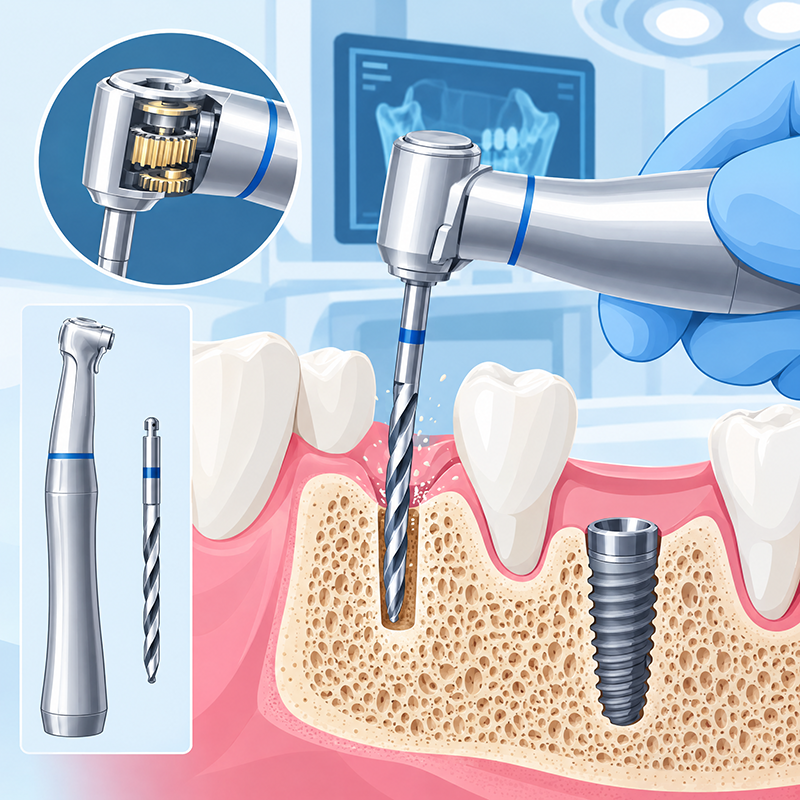
A dental handpiece is the principal tool used for preparing bone and drilling during various dental surgical procedures. The '20:1 reduction' refers to the gear ratio inside the handpiece, which translates the motor’s speed into a lower RPM, delivering higher torque for optimal bone cutting. This significant reduction ensures smoother, safer, and more controlled drilling—essential for implant placement.
Unlike conventional handpieces used in restorative dentistry, implantology demands tools that can precisely manipulate the hard and sensitive bone structure without generating excessive heat or vibration. The 20:1 reduction handpiece, often compatible with surgical motors, is uniquely engineered for these needs, offering robust control that is unavailable elsewhere. This handpiece is a cornerstone of the modern dental implant system, catering to both experienced surgeons and newcomers seeking predictable results.
Importance of Bone Preparation in Dental Implant Procedure
Bone preparation marks the critical first step in any implant surgery. Accurate osteotomy—a process that creates space within the jawbone for the implant fixture—ensures that the implant will have sufficient primary stability and will integrate properly with the bone over time. The quality of osteotomy is directly influenced by the handpiece used.
Poorly prepared bone can result in microfractures, overheated tissue, or uneven implant seating, leading to failure and patient discomfort. The right dental handpiece dramatically reduces such risks by providing smooth, low-speed, high-torque drilling, which maintains bone vitality. This is especially important in procedures requiring advanced bone manipulation, such as sinus lifts or ridge augmentation, where precision is everything.
Advantages of Using 20:1 Reduction Dental Handpieces
A 20:1 reduction handpiece offers distinct benefits over standard models:
Enhanced Torque and Control: A lower speed, higher torque ratio allows for more effective bone penetration without excessive force. This means clinicians can progress cautiously, maintaining the integrity of bone tissue and minimizing trauma.
Reduced Heat Generation: Excessive heat during drilling can cause osteonecrosis and compromise healing. The reduced RPM ensures that drilling remains cool and safe, especially when combined with copious irrigation.
Long-Term Reliability: These handpieces are engineered to withstand repeated use in demanding surgical environments, offering robust longevity. CAD/CAM engineered gears ensure lasting performance and fewer breakdowns.
Compatibility With Implant Surgical Guides: Surgical guides are increasingly used to guide drilling and ensure implant alignment. A 20:1 reduction handpiece, with its precision and compatible head shape, fits seamlessly with these guides for predictable results.
Ergonomic Design: Many modern handpieces are built with lightweight materials and improved grip, reducing hand fatigue and enhancing procedural accuracy—vital in longer implant surgeries.
The Impact on Patient Outcomes and Satisfaction
Patient safety and satisfaction are paramount in dental implants. Proper bone preparation using a high-quality handpiece has a profound impact on healing and implant longevity. When osteotomies are created with precision and minimal trauma, post-operative discomfort is lessened, swelling reduces rapidly, and the risk of infection or implant failure plummets.
Patients benefit from a streamlined procedure, lower risk of nerve or vessel injury, and a higher chance of the implant lasting decades. Moreover, because the handpiece helps maintain bone temperature and integrity, healing times are typically shorter, and patients can return to normal activities sooner.
From the perspective of dental professionals, successful outcomes foster patient trust, referrals, and positive online reviews—a crucial element in competitive markets.
Integration With Dental Implant Systems and Surgical Guides
In today’s advanced clinics, integration between dental implant systems and surgical guides is fundamental. 20:1 reduction handpieces are purposely designed to interface seamlessly with a wide range of implant kits and guides, making them versatile across brands and procedures.
Dental implant surgical guides are custom fabricated, often via digital workflow, to ensure accuracy in angulation, depth, and positioning. The handpiece must be compatible in length, angle, and chuck style to facilitate use with the guide. This symbiosis ensures that the clinician’s planned protocol is faithfully executed, reducing deviation and enhancing both functional and esthetic results.
Bone Manipulation Procedures in Dental Implantology: The FAQ
What bone manipulation procedures rely on 20:1 reduction handpieces?
Bone manipulation can range from simple osteotomies to complex procedures like bone grafting, sinus lifts, and ridge expansion. Each of these demands control and precision, where a 20:1 reduction handpiece excels by limiting rotational speed and optimizing torque.
How does the handpiece minimize bone trauma?
By maintaining lower speeds and steady force, the handpiece prevents microfractures and excessive heat generation, which are common sources of trauma. It also facilitates incremental drilling and irrigation, further reducing damage and making the bone receptive to the implant.
Can these handpieces be used with all dental implant systems?
Most contemporary handpieces are engineered for compatibility with popular dental implant systems and kits. However, clinicians should verify head size and chuck mechanisms to ensure a perfect fit.
What maintenance is required to keep the handpiece in top condition?
Routine cleaning, sterilization, and lubrication as per manufacturer instructions are crucial. High-quality models feature autoclavable parts and corrosion-resistant materials, minimizing wear and maintaining peak performance through hundreds of procedures.
Does surgical guide compatibility improve outcomes?
Absolutely. When a handpiece fits perfectly with a surgical guide, it preserves the planned protocol’s accuracy, preventing deviation in angulation, depth, and trajectory. This is vital for esthetic and functional success in dental implants.
Long-Term Clinical and Practice Benefits
Investing in a 20:1 reduction dental handpiece is not just about patient care but also practice efficiency. Clinics report a reduction in procedure times, fewer intraoperative complications, and improved workflow when switching to high-standard handpieces. The reduction in surgeon fatigue and the ability to handle varied bone densities further broadens the range of cases that can be safely managed.
For growing practices, these benefits translate into increased patient throughput, higher satisfaction, and a reputation for surgical excellence. Because bone preparation is so fundamental to the success of dental implants, clinicians who optimize with the right equipment can see measurable improvements in their case acceptance rates and peer reviews.
As dental implant technology advances—with new surface treatments, digital workflows, and augmentation techniques—the importance of having compatible, dependable handpieces only increases. The 20:1 reduction handpiece remains a trusted, indispensable ally for forward-thinking implantologists.
How to Choose the Right Dental Handpiece for Your Implant Practice
Choosing the best dental handpiece for implantology comes down to several factors:
Torque and Reduction Ratio: A genuine 20:1 reduction model ensures optimal control. It is crucial to select handpieces that deliver consistent torque, not just under laboratory conditions but real-world surgery.
Compatibility and Versatility: Check that the handpiece works seamlessly with your preferred dental implant system and surgical guides. Adaptability minimizes equipment changes and maximizes productivity.
Durability and Ergonomics: Look for models with lightweight bodies, autoclavable parts, and a comfortable grip. Features like anti-slip surfaces and balanced weight distribution enhance maneuverability.
Maintenance and Warranty: A robust warranty and accessible maintenance protocol signify a manufacturer’s commitment to quality. High-quality internal components like ceramic bearings and titanium housings are desirable.
Price vs. Value: While budget matters, this is not a place to cut corners. Investing in a higher-quality handpiece pays off in longevity, reliability, and patient outcomes.
Clinicians looking to upgrade their equipment should research, seek peer recommendations, and consult independent reviews to make an informed decision. Many manufacturers offer trial periods or demo units, allowing you to evaluate performance before committing.
Innovations in Dental Handpieces: Future Trends
The landscape of dental handpiece technology is advancing at breakneck speed, paralleling the evolution in dental implants. Modern 20:1 reduction handpieces now feature enhanced irrigation channels, integrated LED lights for better visibility, and Bluetooth connectivity for maintenance tracking.
Digital integration with implant planning software is becoming more widespread. Some handpieces can sync with surgical guides, alerting clinicians to deviations or warning of increased resistance. Innovations like these reduce risk and standardize outcomes, particularly for complex bone manipulation procedures.
Eco-friendly manufacturing, autoclave-safe materials, and minimalistic design are becoming expected in new models. The trend toward universal compatibility means clinics can invest once and use the same handpiece across multiple implant systems, unifying workflow and reducing training needs.
Case Studies: Real-World Success With 20:1 Reduction Dental Handpieces
Many implantologists report transformative results after transitioning to the latest generation of reduction handpieces. In one large practice, case acceptance rates increased by 18% after adopting advanced 20:1 models and training staff in their use. Patient satisfaction also improved, thanks to smoother procedures and fewer complications.
Another clinic found that using high-torque handpieces allowed them to expand services to full-arch implants and advanced bone augmentation, growing their business and local reputation. Peer reviews and patient testimonials routinely cite faster healing, reduced discomfort, and lifelong implant retention as direct outcomes.
Such real-world examples underscore how the right tools make a difference—not just in technical metrics, but in the lived experience of patients and clinicians alike.
Patient Education and Consultation: The Role of Transparent Communication
Successful implantology depends not only on surgical skill and technology, but also on patient trust and understanding. Dentists should take time to explain how surgical handpiece technology impacts safety, post-operative recovery, and long-term implant health. Patients appreciate knowing their clinician invests in top-tier equipment, reinforcing confidence in their treatment decisions.
Consultations should detail the process, emphasizing that precision bone preparation reduces risks and improves outcomes. Educated patients are more likely to follow post-surgical instructions, attend follow-ups, and leave positive reviews.
Clinics can use digital platforms to share videos, infographics, and case studies illuminating the benefits of modern dental handpieces and implant systems. The integration of advanced equipment is both a selling point and a marker of excellence.
In conclusion, optimizing bone preparation is the cornerstone of reliable, safe, and esthetic dental implant placement. The 20:1 reduction dental handpiece stands out as the essential instrument for clinicians striving for surgical excellence. Combining precision, control, compatibility with dental implant systems and surgical guides, and proven patient outcomes, it is an investment in both clinical success and practice growth. As research and technology continue to advance, the role of the dental handpiece will become even more central, offering new opportunities to elevate patient care and professional reputation. Implantologists and practice decision-makers alike should prioritize this equipment, ensuring every implant case is built on a foundation of meticulous bone preparation and enduring quality.