


Preventing Screw Loosening: The Critical Role of Calibrated Dental Torque Wrenches in Implant Prosthetics
Preventing Screw Loosening: The Critical Role of Calibrated Dental Torque Wrenches in Implant Prosthetics
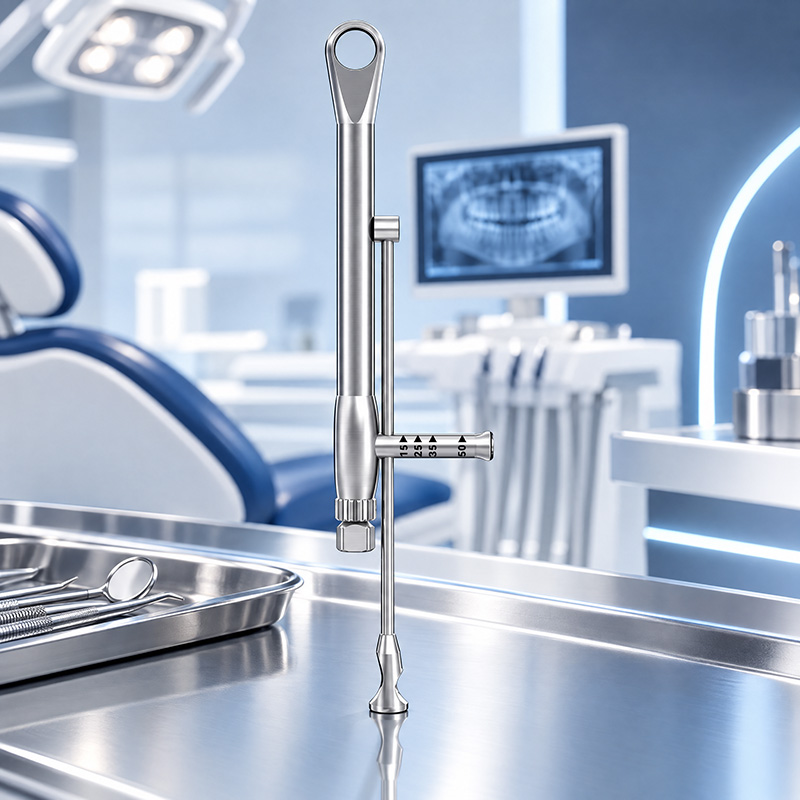
Dental implant procedures are among the most advanced restorative treatments available in modern dentistry. However, the longevity and stability of Implant Prosthetics largely depend on the mechanical integrity of their components, particularly theCover Screw and the precise application of torque during the prosthetic phase. The importance of a calibrated Torque Wrench cannot be overstated when it comes to achieving optimal outcomes and preventing implant screw loosening. This comprehensive guide explores why dental professionals must prioritize calibrated dental torque wrenches, the implications of screw loosening, and the best practices for maintaining implant stability in the medium and long-term clinical setting.
Understanding Dental Implant Components: The Cover Screw and Its Significance
The success of a dental implant primarily hinges on its integration with the surrounding bone and the stability of its prosthetic components. At the heart of these systems, the dental implant cover screw serves as a protective element during the healing phase, shielding the inner threads and keeping debris, bacteria, and tissue away from the implant interface. This small yet essential component is temporarily placed after the surgical insertion of the implant and is eventually replaced by abutments.
Failure to properly secure the Cover Screw can lead to complications such as bacterial infiltration, peri-implantitis, and mechanical instability. Correct torque application ensures the cover screw remains tightly sealed, preserving the integrity of the implant and supporting successful osseointegration. The use of a calibrated dental torque wrench is crucial in this process, allowing clinicians to apply the precise force needed to prevent premature loosening without risking overtightening and damage to the thread or implant body.
The Problem of Implant Screw Loosening: Clinical Implications and Evidence
Implant screw loosening is a common complication that can arise during both the healing phase, when the Cover Screw is in place, and after prosthetic placement. According to numerous studies, including narrative reviews of medium- and long-term clinical evidence, screw loosening may occur due to inadequate torque during installation, improper technique, mechanical fatigue, or biological factors. Without the correct torque, micromovements may occur at the prosthetic connection, eventually leading to breakdown of the screw joint and loss of implant stability.
Clinicians report that the main consequences of screw loosening include:
- Discomfort and inflammation for the patient
- Chronic peri-implantitis and bone loss
- Difficulty in retrieving components and managing failures
- Impaired aesthetics and function of the prosthetic restoration
Medium and long-term studies underscore the importance of maintaining a stable and sealed interface—highlighting that the risk of screw loosening is significantly reduced when calibrated Torque Wrenches are consistently used.
Calibrated Dental Torque Wrenches: Key Features and Advantages
A dental torque wrench is not simply a technical accessory; it is a precision instrument that guides the clinician in applying the exact amount of force to implant components, including the cover screw, abutment, and prosthetic crown. Dental torque wrenches come in manual and mechanical versions, with most high-quality models offering accuracy within a tight calibration range (typically ±1 Ncm).
The advantages of using calibrated dental torque wrenches include:
- Consistent and reproducible application of manufacturer's recommended torque
- Prevention of overtightening or undertightening, both of which can compromise implant success
- Reduction in the incidence of mechanical failures, including screw loosening in implant prosthetics
- Improved patient outcomes and satisfaction
By adhering to manufacturer guidelines and best practices, clinicians ensure that every implant restoration is placed in accordance with optimal mechanical stability, thereby enhancing long-term clinical success.
The Science Behind Torque and Dental Implant Stability
Mechanical torque produces a "preload" within the screw joint—essentially the tension that holds the components together. If the torque is inadequate, the preload is insufficient, leading to relaxation of the screw joint and potential micro-movements or separation. Excessive torque can cause thread stripping or permanent deformation, leading to catastrophic failure. The ideal torque value for a Cover Screw and other components is determined by the implant system's manufacturer and scientific consensus from clinical studies.
Clinical research shows that using a calibrated Torque Wrench minimizes variability and error, ensuring that each connection receives the intended preload. Calibration must be maintained regularly (at least once yearly) to prevent drift in torque settings, which can occur due to mechanical wear or sterilization cycles. Investing in a reliable, well-calibrated dental torque wrench supports evidence-based practice and mitigates risk factors associated with implant prosthetic failures.
Best Practices for Preventing Implant Screw Loosening
Preventing screw loosening during both the surgical and prosthetic phases involves an integrated approach:
- Always follow manufacturer torque recommendations for cover screws, abutments, and crowns.
- Utilize a calibrated dental torque wrench for every connection, and verify calibration regularly.
- Ensure all threads are clean and free from debris prior to placement.
- Educate patients on the importance of avoiding excessive forces (such as chewing hard foods) during healing.
- Monitor implants through follow-up care, assessing for mobility, inflammation, or other signs of screw loosening.
These protocols not only sustain mechanical stability but also enhance the predictability of long-term implant success. Integration of these practices into every clinical workflow reflects a commitment to quality and patient-centered care.
FAQ: Implant Screw Loosening and the Role of Dental Torque Wrenches
Q1: How frequent is screw loosening in dental implants and what clinical evidence exists?
Medium and long-term studies report incidences ranging from 5% to 15%, with increased risk when torque is improperly applied. Narrative reviews confirm that the use of calibrated dental torque wrenches substantially reduces this risk.
Q2: Can regular maintenance of torque wrenches prevent screw loosening?
Absolutely. Regular calibration and maintenance of dental torque wrenches ensure accuracy, which directly correlates with decreased screw loosening events.
Q3: What should clinicians look for when purchasing a torque wrench?
Key features include calibration certification, ease of sterilization, reliability, and compatibility with implant systems. Choosing a high-quality device supports long-term clinical outcomes.
Q4: How does the torque wrench affect the longevity of the cover screw?
Precise torque application prevents both overtightening (which can damage threads) and undertightening (which leads to loosening), thereby prolonging cover screw function and implant stability.
Q5: Are there recommended torque values for cover screws and prosthetic screws?
Yes, each manufacturer provides recommended values—usually between 15–35 Ncm for prosthetic screws and lower for cover screws. Always reference the product manual for specifics.
Expanding Clinical Applications: Torque Wrenches Beyond Cover Screws
While much emphasis is placed on the Cover Screw, torque wrenches also play a critical role in securing abutments, healing caps, and final prosthetics. The multidisciplinary use of dental torque wrenches extends to orthodontic mini-implants, bone anchorage devices, and experimental custom prosthetic frameworks. In each case, precise torque management is a cornerstone of functional and esthetic success.
Dental laboratories benefit from torque wrenches for custom abutments and screw-retained prosthetics. Standardizing torque protocols across clinic and lab environments ensures consistency in fit, reduces chairside adjustments, and minimizes screw-related complications.
Patient Education and Enhanced Outcomes in Implant Prosthetics
Patients are increasingly aware of the advantages and potential complications of dental implants. Educating them about the importance of precise torque application, regular follow-up, and adherence to post-operative care improves treatment acceptance and long-term satisfaction. Discussing the role of the Cover Screw and Torque Wrench as integral components establishes trust and transparency.
Clinicians should emphasize the value of calibrated tools not only from a technical standpoint but also as part of a commitment to safety, reliability, and the highest standard of care. Patient engagement increases when they understand the science and protocols backing their implant procedures.
Choosing the Right Dental Torque Wrench: Practical Recommendations
With various torque wrenches available—manual, digital, preset, and adjustable—making the right choice requires consideration of factors such as accuracy, durability, ergonomic design, and compatibility with implant systems. Preset wrenches are ideal for high-volume practices, while adjustable wrenches offer versatility. Digital torque wrenches provide real-time verification and data logging, supporting quality assurance initiatives in larger clinics.
Practical selection tips include:
- Verify calibration certificates and manufacturer warranties.
- Choose devices suitable for autoclave sterilization.
- Ensure wrench compatibility with all implant system connections.
- Train staff in correct handling and periodic recalibration.
Investing in premium, well-calibrated dental torque wrenches represents a forward-thinking approach that mitigates risk and increases the reliability of every implant procedure.
Emerging Technologies and Trends in Implant Screw Management
The field of implant dentistry is evolving rapidly with the introduction of smart torque devices, integrated sensors, and advanced data analytics. These innovations support clinicians in achieving the ideal preload for every implant joint and contribute to digital workflows that streamline quality assurance. Manufacturers are developing torque wrenches that communicate with practice management software, providing feedback on calibration status and real-time torque application.
With growing clinical evidence and patient expectations, the role of calibrated torque wrenches is set to expand. As protocols become more standardized and digital technologies further reduce mechanical error rates, the risk of Cover Screw and prosthetic screw loosening will diminish—ultimately leading to more predictable and successful implant outcomes.
In summary, the prevention of screw loosening in dental implant prosthetics is fundamental to ensuring clinical excellence, patient satisfaction, and long-term stability. The calibrated dental torque wrench stands out as the most effective tool for achieving precise torque application to cover screws and prosthetic components. By integrating best practices, maintaining regular calibration, educating patients and staff, and adopting advanced torque technologies, dental practitioners are empowered to minimize complications and maximize the success of their implant treatments. Achieving optimal preload in every connection not only preserves implant integrity but also upholds the highest standards of care in modern prosthetic dentistry.