


Protecting Early Osseointegration: The Importance of Micro-Gap Control in Healing Abutments
Protecting Early Osseointegration: The Importance of Micro-Gap Control in Healing Abutments
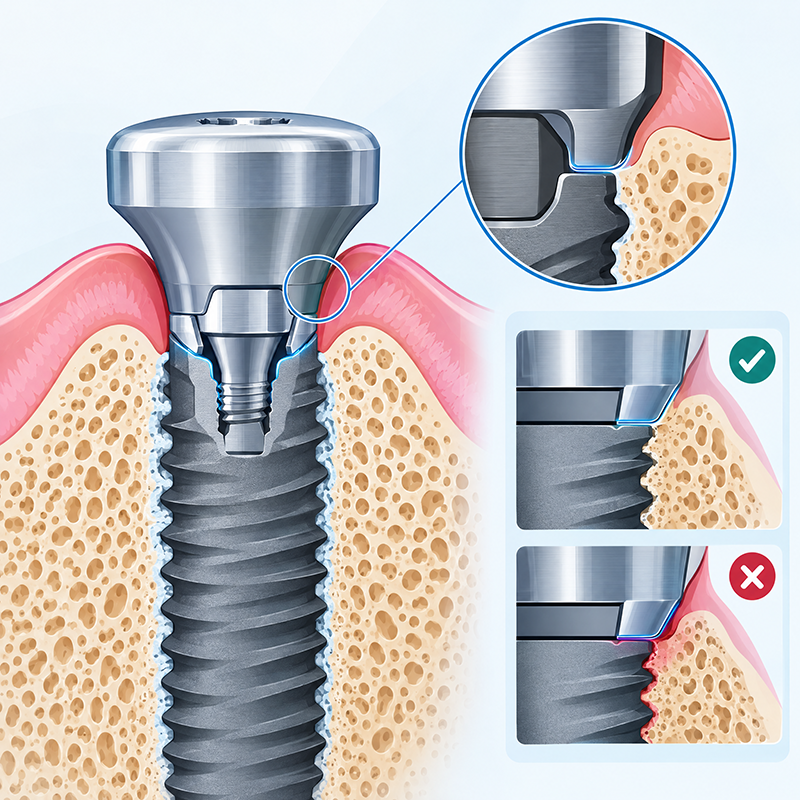
Introduction: Understanding Early Osseointegration in Dental Implants
Early osseointegration is the crucial process by which the surrounding bone integrates with a Dental Implant, providing long-term stability and functionality for patients. As dental implant technology continues to evolve, the role ofHealing Abutments has become increasingly significant in supporting this integration, particularly during the vulnerable healing phase. Micro-gap control at the implant-abutment interface is one of the most important factors affecting the success of early osseointegration—yet, it is often overlooked.
In this article, we explore the science behind micro-gap control, its direct influence on implant success, and how advancements in healing abutment design, manufacturing (including those from trusted dental implant factories), and clinical protocols are helping clinicians protect their patients’ implants from early complications. This is essential knowledge for anyone involved in restorative dentistry and dental surgery, as well as potential patients seeking lasting implant solutions.
The Micro-Gap Phenomenon: Where Does It Start?
Micro-gaps are minuscule spaces—an often invisible, but clinically relevant problem—found at the interface between the Implant Abutment and the implant body. Even in the most precisely manufactured dental implants, micro-gaps can emerge due to mechanical tolerances, repeated screw tightening, and discrepancies in component fit. These gaps may allow bacteria to colonize the area, resulting in inflammation, peri-implantitis, and potentially threatening the early phase of osseointegration.
The challenge is more than mechanical: it is biological. Studies indicate that micro-gaps provide a pathway for bacteria and oral fluids, leading to biofilm formation and subsequent tissue breakdown. Thus, micro-gap control is not just a matter of precision engineering, but also a foundation for infection prevention and bone preservation, making proper healing abutment selection and installation critical.
Healing Abutments: Their Role in Protecting Osseointegration
Healing abutments are the unsung heroes in dental implantology. These temporary components guide the soft tissue healing process and serve as a protective barrier for the implant fixture during the initial stages of integration. In particular, healing abutments designed with optimal micro-gap sealing can significantly reduce bacterial ingress, lower inflammatory responses, and preserve peri-implant bone.
Modern healing abutments are typically made from titanium or biocompatible alloys and are engineered for precise fit and easy handling. The geometry, surface treatment, and manufacturing tolerances directly influence the degree of micro-gap, which highlights the importance of sourcing abutments from reputable dental implant suppliers and manufacturers. Ensuring that healing abutments match the implant system isn’t just good practice; it is a crucial step for any dentist intent on minimizing risks and maximizing patient outcomes.
Implant-Abutment Connection: Academic and Clinical Perspectives
The implant-abutment connection is a focal point for academic research and clinical evaluation. Literature consistently shows that the connection type—whether internal or external hex, morse taper, or conical connection—impacts micro-gap dimensions and, subsequently, the possibility of peri-implant disease. Internal connections generally offer greater stability and less movement, which translates into reduced micro-gap formation. Meanwhile, sophisticated morse taper designs have demonstrated enhanced sealing, further inhibiting bacterial invasion.
From a clinical standpoint, the choice of connection and abutment material is closely linked with long-term crestal bone stability. Studies published in leading dental journals, including systematic reviews and meta-analyses, reinforce that micro-gap minimization aids in the reduction of bone loss and lowers the incidence of peri-implantitis. Practical protocols, such as torque control and single-use abutment screws, are increasingly adopted to maintain joint stability and minimize micro-gap expansion.
Advantages of Micro-Gap Control in Healing Abutments
Dental professionals who prioritize micro-gap control are rewarded with impressive clinical outcomes that benefit both practice and patients. Some of the key advantages include:
1. Enhanced osseointegration: Limiting micro-gaps reduces bacterial contamination, supporting the early biological integration of the implant into bone.
2. Lower risk of peri-implant disease: A tight implant-abutment interface significantly lowers the risk of inflammation and peri-implantitis.
3. Crestal bone preservation: Minimizing micro-gaps translates into less bone resorption, which is vital for the aesthetic and functional longevity of dental implants.
4. Improved patient satisfaction: Fewer complications and less postoperative discomfort leads to higher patient satisfaction—an important consideration for every dental practice.
5. Long-term cost savings: Fewer complications mean less need for retreatments or corrective procedures, saving time and resources for both clinicians and patients.
By focusing on micro-gap control when selecting healing abutments and utilizing best practices, clinicians set the foundation for successful dental implant therapy.
Manufacturing Quality: The Role of Implant Factories and Suppliers
The quality and precision of healing abutments depend on the standards set during manufacturing. Trusted dental implant factories employ state-of-the-art technologies such as CNC machining, laser measurement, and stringent quality assurance protocols to deliver components that minimize micro-gap issues. SEER (Surface Engineering for Enhanced Retention) and other advanced surface treatments ensure that abutments meet high tolerances for surface roughness and sealing.
Dental professionals should source implants and abutments from established suppliers, checking certifications (ISO, CE, FDA approval), and reviewing manufacturer documentation regarding micro-gap performance. Customization—such as patient-specific abutment designs via CAD/CAM—can further optimize the interface, reducing micro-gaps and improving healing outcomes. Furthermore, partnerships with reliable suppliers may also provide support in terms of education, warranty, and after-sales service, adding value to the clinical workflow.
Clinical Strategies for Reducing Micro-Gaps
While manufacturers can provide high-quality healing abutments, clinical technique plays a pivotal role in micro-gap management. Key strategies include:
- Strict adherence to insertion torque guidelines.
- Use of compatible and recommended abutment screws.
- Avoidance of repeated abutment removals and reinsertions, which can wear threads and compromise fit.
- Selection of appropriate abutment height and emergence profile to optimize tissue healing.
- Meticulous inspection under magnification for fit and sealing prior to closure.
Some clinicians also utilize antimicrobial agents at the interface and recommend post-operative check-ups to monitor healing and address potential loosening early. By staying up-to-date with academic literature and leveraging clinical training, dental teams can ensure that micro-gap control is always a priority.
FAQs: Implant-Abutment Connection and Peri-Implant Disease Prevention
What impact does the implant-abutment connection have on peri-implant disease?
The implant-abutment connection is crucial for preventing peri-implant diseases such as peri-implantitis. Research demonstrates that connections with minimized micro-gaps lead to better sealing, lower bacterial contamination, and improved tissue health. Using tight-fitting, precision-engineered healing abutments can significantly reduce the risk of inflammation and bone loss.
How can crestal bone stability be maintained in dental implant therapy?
Maintaining crestal bone stability involves controlling micro-gaps, using compatible healing abutments, and applying proper torque protocols. Additionally, selecting connection types proven to minimize movement and bacterial ingress, and regular radiographic follow-ups, are recommended.
Can healing abutments from different suppliers be mixed?
Mixing abutments from different suppliers is not generally recommended, as mismatched components may create larger micro-gaps, risking bacterial infiltration and implant failure. Always use abutments specified by the implant manufacturer, and ensure they meet regulatory standards.
What are the signs of micro-gap-related complications in patients?
Signs include localized swelling, pain, bleeding on probing, and radiographic evidence of bone loss near the implant neck. Early detection is crucial, as intervention can prevent implant loss.
What role do dental implant factories play in micro-gap control?
Dental implant factories are responsible for ensuring manufacturing precision and quality. Leading factories use advanced technologies to produce abutments with the smallest possible micro-gaps, adhering to international standards to ensure clinical reliability and patient safety.
Expanding Patient Choices: Innovations in Healing Abutment Design
As patient demand grows for minimally invasive, reliable, and aesthetically pleasing dental restorations, innovative healing abutments are emerging. Features such as antimicrobial coatings, customized emergence profiles, and bioactive surface treatments are designed to further minimize micro-gap risks and accelerate healing. Some systems now offer digital workflows, enabling precise CAD/CAM customization directly linked to intraoral scans, eliminating inconsistencies that could cause micro-gaps.
Clinicians are increasingly exploring options developed and refined by top-tier dental implant factories, ensuring that their patients not only avoid complications but also achieve optimal aesthetic and functional outcomes. If you are considering dental implants, discuss these innovations and micro-gap control strategies with your dentist or oral surgeon—requesting information about the healing abutments used can help you make an informed decision.
Best Practices for Implant Abutment Selection and Monitoring
Selecting the right implant abutment is an art as well as a science. Size, shape, material, connection type, and surface finish must all correspond to the implant system and patient specifics. Clinicians should also incorporate regular monitoring protocols post-surgery, including clinical inspection, radiography, and patient feedback to detect micro-gap-related issues early.
Continuous education, attention to manufacturing updates, and partnering with credible suppliers can help dental professionals stay ahead of the curve. Patients, too, should be encouraged to maintain optimal oral hygiene, attend regular check-ups, and report any discomfort promptly, as early intervention is key to preserving implant health.
Conclusion
Early osseointegration and the long-term success of dental implants hinge on the careful management of micro-gaps at the implant-abutment interface. Healing abutments designed with precision and installed with clinical expertise can prevent bacterial infection, preserve crestal bone, and optimize patient outcomes. Both dentists and patients benefit from understanding the critical importance of micro-gap control, partnering with trusted dental implant suppliers and factories, and employing best clinical practices. By continuously improving implant abutment selection and monitoring strategies, dental professionals can ensure that their implant therapies stand the test of time, delivering results that are as durable as they are aesthetically pleasing. If you wish to protect your investment in dental implants, focus on micro-gap control—and choose healing abutments wisely.