


Upgrading Your Implant Practice: Key Features to Look for in a Modern Dental Surgical Kit
Upgrading Your Implant Practice: Key Features to Look for in a Modern Dental Surgical Kit
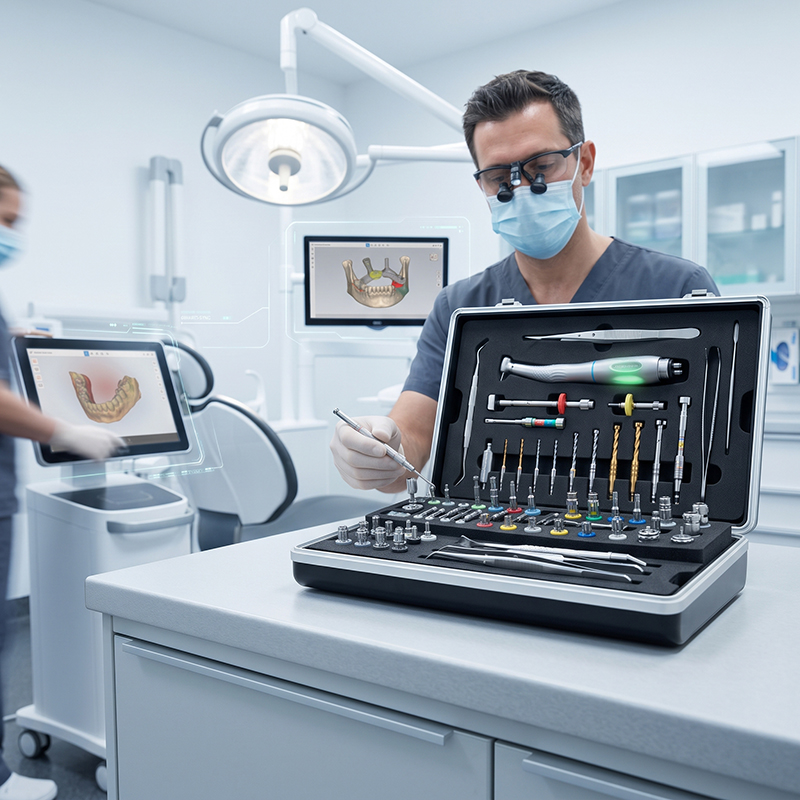
The landscape of Dental Implantology continues to evolve, requiring clinicians to keep pace by employing the most advanced tools and techniques for optimal patient outcomes. One essential element is the selection of an exceptionalSurgical Kit—a well-designed ensemble of tools that enables precision, efficiency, and safety during implant procedures. In today’s dental practice, the distinction between success and complication often hinges on the technical capabilities of your Surgical Instruments and kits. This guide will delve deep into the vital features your moderndental Surgical Kit must possess and explain how the right choices can transform your implant procedures, elevate patient satisfaction, and streamline your workflow.
Why Upgrading Your Dental Surgical Kit Matters for Implant Success
Modern dental implants are defined by precision, predictability, and long-term performance. The standard surgical protocols are continually refined, and outdated or generic instruments can compromise the process, increasing chair time, patient discomfort, and potential complications. Upgrading your Surgical Kit ensures access to the latest features such as enhanced Osteotome sets for sinus lifts, depth-specific drills to reduce errors, and ergonomic designs that ease repetitive tasks for clinicians. An investment in quality dental surgical instruments directly correlates to improved implant success rates and clinic reputation.
Key Features to Look for in a Modern Dental Surgical Kit
When choosing a contemporary dental surgical kit, it is critical to move beyond the basics. The best kits offer a holistic set of features tailored for implantology, from the initial osteotomy through the final placement. Here are the most important characteristics to consider:
1. Comprehensive Instrument Selection Focused on Implantology
A top-rated dental Surgical Kit should include a wide array of tools specific to implant procedures, including tissue punches, periosteal elevators, depth-calibrated drills, and a versatile set of Osteotome instruments. Kits designed with implant procedures in mind offer instrument sizes and shapes that match the anatomical requirements of various jaw regions. The kit should facilitate both straightforward implant placements and advanced cases such as immediate loading, guided bone regeneration, and sinus lifts.
2. Ergonomic and Intuitive Design Elements
Surgeon and staff comfort during prolonged surgeries is essential for consistent results. A well-designed dental surgical kit incorporates instruments with ergonomic handles, anti-slip grips, and lightweight construction. Instrument labeling and distinctive color coding save time and reduce cognitive load, minimizing intraoperative errors. Intuitive instrument layout in the kit tray ensures that you can maintain your procedural flow without unnecessary interruptions, lowering stress and enhancing safety.
3. High-Quality Stainless Steel and Advanced Materials
Durability and biocompatibility are non-negotiable in surgical tools. Premium-grade stainless steel or titanium in Surgical Kit components guarantees resistance to corroding agents, sterilization cycles, and repeated use. Some manufacturers now introduce advanced ceramic blades or non-stick coatings, facilitating better cutting performance and reducing contamination risks. These innovations offer long-term reliability and value for your dental practice.
4. Precision-Crafted Drills and Burs with Depth Control
Success in implantology often comes down to the accuracy of osteotomies. Modern kits are equipped with step drills and depth stops, ensuring every osteotomy matches the intended implant length and width precisely. Advanced kits may offer guided surgery capabilities, integrating seamlessly with digital workflows. Look for features such as laser-etched measurement markings, adjustable drill sleeves, and compatibility with surgical guides for truly predictable implant placement.
5. Comprehensive Osteotome Set for Bone Management
Bone manipulation is critical in situations featuring a thin or fragile alveolar ridge, or when performing sinus lifts. A cutting-edge Osteotome set enables atraumatic bone expansion or condensation, minimizing heat generation and promoting better osseointegration. Tapered and convex-tipped osteotomes allow for incremental bone improvement without resorting to traditional invasive grafting. Your surgical kit should include a range of osteotome diameters with ergonomic handles for gradual, precise bone manipulation.
6. Sterilization-Friendly Tray and Instrument Organization
Infection prevention begins with a thoughtfully designed kit. Surgical trays featuring autoclavable, medical-grade materials ensure swift and thorough sterilization between cases. Modular instrument retainers or snap-lock configurations simplify the setup and breakdown process. Look for kits where each tool has a dedicated, labeled space—this layout ensures you never miss or misplace an instrument during the surgical workflow.
The Impact of Instrument Innovation on Implant Outcomes
Dental implant technology evolves rapidly, and kit innovation keeps pace. Features like color-coded drills, torque-limiting ratchets, and depth-set stoppers not only increase precision but also shorten procedures, improving the patient experience. Digital compatibility (such as surgical guides that align with intraoral scanners and CBCT planning) elevates your practice to a fully integrated digital workflow, making it easier to meet patient expectations and reduce surgical complications. Selecting a modern dental Surgical Kit ensures you benefit from these technological advances, raising your standard of care for every case.
How to Choose the Best Implant Surgical Kit for Efficient Dental Procedures
Navigating the market for implant surgical kits can be overwhelming due to the multitude of brands and variations available. To choose the best implant surgical kit for efficiency and safety, prioritize these criteria:
1. Compatibility: Make sure the kit matches your preferred implant system or is sufficiently universal for different brands.
2. Upgrade Packages: Seek manufacturers offering customizable kits or upgrade options (such as additional Osteotome sets, sinus lift solutions, or guided surgery accessories).
3. Training and Support: Reliable suppliers provide detailed manuals, in-person workshops, or online resources to help your team master the instruments.
4. Warranty and Service Network: High-quality dental surgical instruments should come with warranties and access to prompt servicing or replacement, ensuring minimal disruption to your workflow.
5. Evidence-Based Design: Prioritize kits reviewed positively in clinical studies or trusted by leaders in dental implantology.
Ultimately, the best implant surgical kit functions as an integrated solution—empowering your team, streamlining workflow, and supporting outstanding surgical results case after case.
Integrating Your Surgical Kit into a Digital Implant Workflow
As digital dentistry becomes standard, modern dental practices are adopting fully integrated implant workflows. A surgical kit designed with digital compatibility extends the benefits of CBCT imaging, digital planning, and 3D-printed surgical guides directly to the clinical chairside. Look for features such as universally guided drill sleeves, open platform compatibility, and integration manuals for digital workflow adoption. The ability to move seamlessly from digital case planning to surgical execution eliminates guesswork, improves accuracy, and builds patient trust. Furthermore, combining your Surgical Kit with guided-surgery accessories prepares your office for complex procedures and challenging anatomical variations.
Best Practices for Maintaining and Upgrading Your Dental Surgical Instruments
Even the most advanced surgical kit requires diligent maintenance for optimal performance. Adhere to these best practices to protect your investment and promote safety:
First, clean and sterilize all instruments immediately post-procedure using approved ultrasonic cleaners and protocol-specific disinfectants. Inspect tools regularly for wear, corrosion, or dullness, with special attention to cutting drills and osteotomes. Develop a replacement schedule for heavily used or fine-tipped tools, as even high-quality stainless steel has a usage limit before precision is compromised. Store kits in protective trays or cases to prevent accidental drops, and revise your surgical kit selection annually in response to emerging technologies and new clinical guidelines.
Frequently Asked Questions about Dental Surgical Kits and Osteotomes
Best Implant Surgical Kit for Efficient Dental Procedures?
The most efficient implant surgical kit offers a comprehensive selection of instruments, from tissue punches to depth-control drills, and includes dedicated Osteotome sets for advanced cases. Seek a kit featuring ergonomic designs, modular organization, high-grade materials, universal implant compatibility, and digital workflow support. Brands with clinical validation and ongoing education support are preferable for consistent, superior results.
What is the role of Osteotomes in dental implant surgery?
Osteotome instruments enable gentle bone manipulations, such as expansion, condensation, and sinus membrane elevation, especially in areas where bone quality or quantity is suboptimal. Their tapered or convex tips permit controlled bone compression without excessive force or heat generation, supporting better primary stability and reducing grafting requirements.
How often should a dental Surgical Kit be replaced?
While kit trays may last a decade or more, individual instruments—especially drills, osteotomes, and fine elevators—should be assessed for replacement every six to twelve months, depending on case load and sterilization cycles. Advanced kits with modular components can be updated piecemeal, extending the kit’s overall lifespan and ensuring you always use instruments at peak effectiveness.
Are all implant Surgical Kits compatible with guided surgery techniques?
Not all kits are compatible by default. When digital workflows are in use, choose a surgical kit with standardized guided sleeves, adjustable length stops, and compatibility charts matching your guide manufacturer. Some universal kits contain adapters or sleeves for most implant systems; always confirm before purchase to avoid workflow interruptions.
What should be included in a surgical kit for sinus lift procedures?
A comprehensive implant kit for sinus lifts must include convex or balloon-tipped Osteotome sets, depth markers, curettes for membrane elevation, and a selection of grafting instruments. Many modern kits now include drills with built-in irrigation and sinus lift-specific stoppers to minimize perforation risks.
Enhancing Patient Outcomes and Practice Growth with A Modern Dental Surgical Kit
Upgrading your Surgical Kit isn’t just about advanced tools—it directly boosts patient outcomes, procedural consistency, and long-term implant success. Comprehensive kits reduce intraoperative errors and chair time, supporting a smoother experience and less postoperative discomfort for patients. These improvements contribute to stronger referrals, more positive reviews, and organic growth of your implant practice. As competition intensifies in dental implantology, positioning your clinic as a technologically advanced office attracts discerning patients seeking the highest standards of care.
Why Invest in a Market-Leading Dental Surgical Kit Now?
Dental implant therapy remains a cornerstone of modern restorative dentistry. With patients more informed and discerning about their care providers, the promise of efficiency, safety, and cutting-edge technology enhances both clinical outcomes and patient trust. Investing in an advanced, feature-rich dental Surgical Kit ensures your practice remains at the forefront of implantology. The right kit drives reliable outcomes, steady workflows, and helps team members feel confident and prepared for increasingly complex implant procedures.
In summary, a modern Surgical Kit tailored to implantology offers far more than the sum of its parts. Thoughtful design, high-quality materials, and compatibility with digital workflows mark the new standard in dental implant tools. By adopting kits with comprehensive Osteotome options, precision-crafted drills, ergonomic handles, and infection control-friendly trays, you empower your practice to deliver exceptional results across every case. The decision to upgrade is as much about clinical excellence as it is about elevating your professional reputation and future-proofing your dental office.