



What are full mouth dental implants and how are they different from traditional dentures?
What are full mouth dental implants and how are they different from traditional dentures?
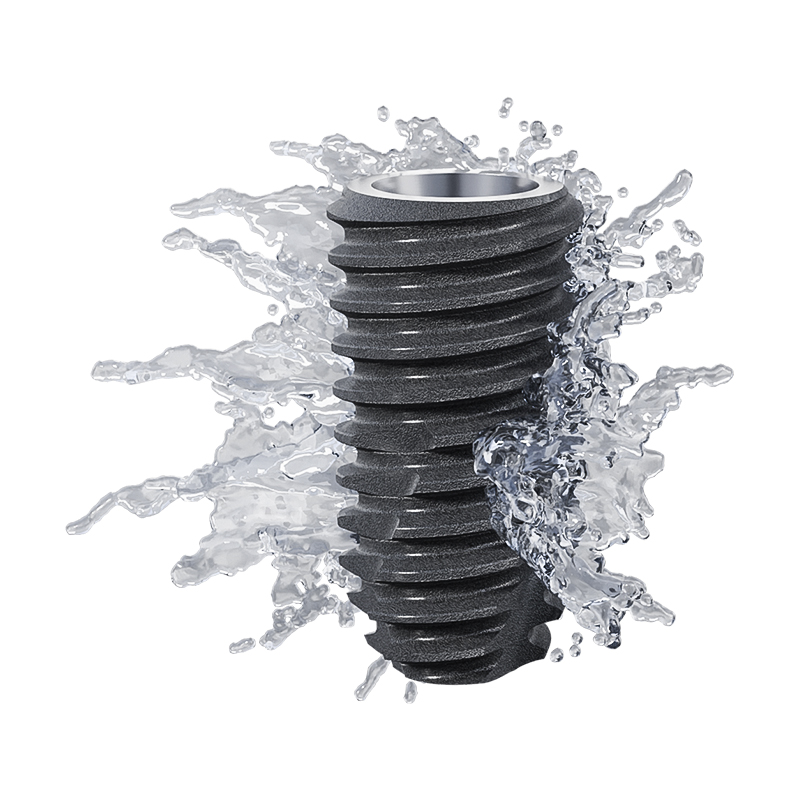
Full-mouth Dental Implants refer to the surgical placement of implants (usually made of titanium alloy) into the patient's jawbone to support a full mouth of fixed dentures or prostheses. This approach is often used for patients who have lost all of their natural teeth in order to restore chewing function, appearance, and oral health.
Differences from traditional dentures:
- Fixability: Full-mouth dental implants are fixed, and after the implants are combined with the jawbone, they provide more stable support, while traditional dentures are usually removable, relying on the support of the gums and oral soft tissues, and may become loose.
- Chewing function: Full mouth dental implants can better restore chewing ability, and patients usually feel more comfortable when eating, while traditional dentures may not be as effective as implants when chewing hard foods.
- Bone Health: Full mouth dental implants can stimulate the jawbone and prevent bone loss, whereas traditional dentures cannot provide this stimulation and may lead to decreased bone mass with long term use.
- Appearance and Comfort: Full mouth dental implants are often closer to natural teeth in appearance and comfort, allowing patients to speak and smile more confidently.
Which patients are suitable for full mouth dental implants treatment?
Patients who are suitable for full mouth dental implants typically include:
- Patients who are missing all of their natural teeth: whether due to age, disease or trauma.
- Patients with adequate bone volume and quality: Implants need to have adequate support in the jawbone, and patients with insufficient bone volume may require bone grafting or other bone augmentation procedures.
- Patients who want a more stable, long-lasting restoration: Full mouth dental implants are an ideal option for patients who wish to restore chewing function and appearance.
- Patients in good overall health: Patients need to be free of serious chronic illnesses (such as uncontrolled diabetes, heart disease, etc.) to ensure the safety of surgery and the ability to heal.
How much do full mouth dental implants cost?
The cost of full-mouth dental implants varies depending on factors such as region, experience of the doctor, materials and techniques used, etc. Generally speaking, the cost includes the following components:
- Implant costs: Each implant typically costs between $1,500 and $4,000, depending on the brand and material.
- Surgery Cost: The complexity of the surgery and the experience of the surgeon will affect the cost of the surgery, which is usually between $1,000 and $3,000.
- Denture or crown cost: Depending on the material and design, a denture or crown may cost between $1,000 and $3,000.
- Other expenses: such as imaging examinations, anesthesia costs and postoperative care, etc.
In general, the total cost of full-mouth dental implants is usually between $20,000 and $50,000. The specific cost requires a detailed consultation with your dentist.
What is the success rate of full mouth dental implants?
Full mouth dental implants generally have a high success rate, with studies showing that the long-term success rate of implants is between 90% and 95%. Factors that affect success rates include:
- Overall health of the patient: Chronic illnesses (such as diabetes, heart disease, etc.) may affect the healing process.
- Bone quantity and quality: Adequate bone quantity and quality are the key to the success of dental implants. If the bone quantity is insufficient, bone grafting may be required.
- Oral Hygiene: Good oral hygiene habits help prevent infection and promote healing.
- Doctor's experience: Experienced doctors can better assess the patient's condition and choose the appropriate surgical plan.
What are the long-term effects of full mouth dental implants?
The long-term results of full mouth dental implants are generally positive, and patients can expect to experience the following benefits after treatment:
- Restored chewing function: Patients are able to chew their food better and enjoy a varied diet.
- Improved Appearance: Full mouth dental implants can restore natural facial contours and boost self-confidence.
- Improved quality of life: Many patients report that their quality of life improves significantly after dental implants, and they are able to communicate with others more confidently.
- Bone health: Implants stimulate the jawbone, prevent bone loss and maintain a stable facial structure.
How will the patient’s quality of life be improved?
The improvement of patients' quality of life by full-mouth dental implants is mainly reflected in the following aspects:
- Dietary Choices: Patients are able to regain the ability to chew a variety of foods and enjoy a richer diet.
- Social Confidence: Due to the improved appearance, patients feel more confident in social situations and are able to smile and communicate more naturally.
- Oral Health: Dental implants can improve oral health and reduce the risk of oral diseases.
- Psychological well-being: Many patients experience improved psychological well-being after receiving full mouth dental implants, reducing the anxiety and depression associated with missing teeth.