



What are full mouth dental implants?
What are full dental implants?
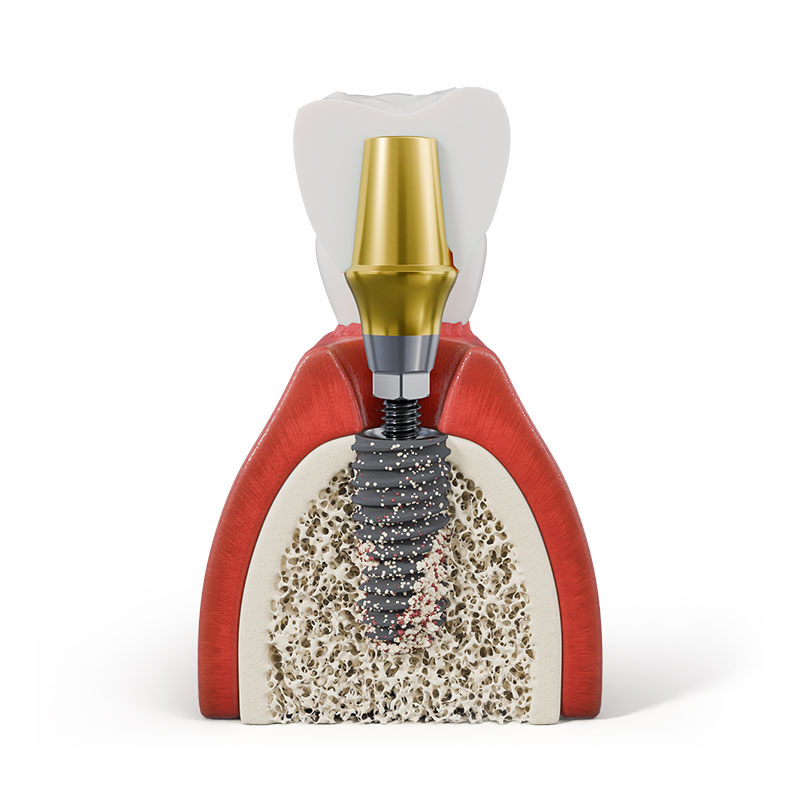
Full Dental Implants is a dental restoration technique designed to provide a complete tooth replacement solution for patients who have lost all of their natural teeth. The technique typically involves the placement of multiple dental implants in the maxillary and/or mandibular bones to support fixed or removable restorations (such as full dentures or bridges). Full-mouth dental implants are designed to restore chewing function, pronunciation and aesthetics to patients, significantly improving quality of life.
Who is suitable for full dental implants?
Patients who are good candidates for full dental implants typically include:
Patients with complete tooth loss: Whether the complete tooth loss is due to trauma, periodontal disease, caries or other reasons.
Patients with adequate bone stock: Patients need to have adequate bone volume and quality to support the stability of the implant. If bone stock is insufficient, bone grafting or other pre-treatment may be required.
Patients in good overall health: The patient should be in good overall health with no serious systemic diseases (such as diabetes, heart disease, etc.) that may affect the healing process.
Patients willing to follow post-operative care: Patients need to be able to follow the doctor’s post-operative care recommendations to ensure the success of the implant.
What is the surgical procedure for full dental implants?
The surgical procedure usually includes the following steps:
Preoperative evaluation: The doctor will perform a comprehensive oral examination and imaging evaluation (such as X-rays or CT scans) to determine the suitability and position of the implant.
Anesthesia: Before the operation begins, the doctor will use local anesthesia or general anesthesia to ensure that the patient does not feel pain during the operation.
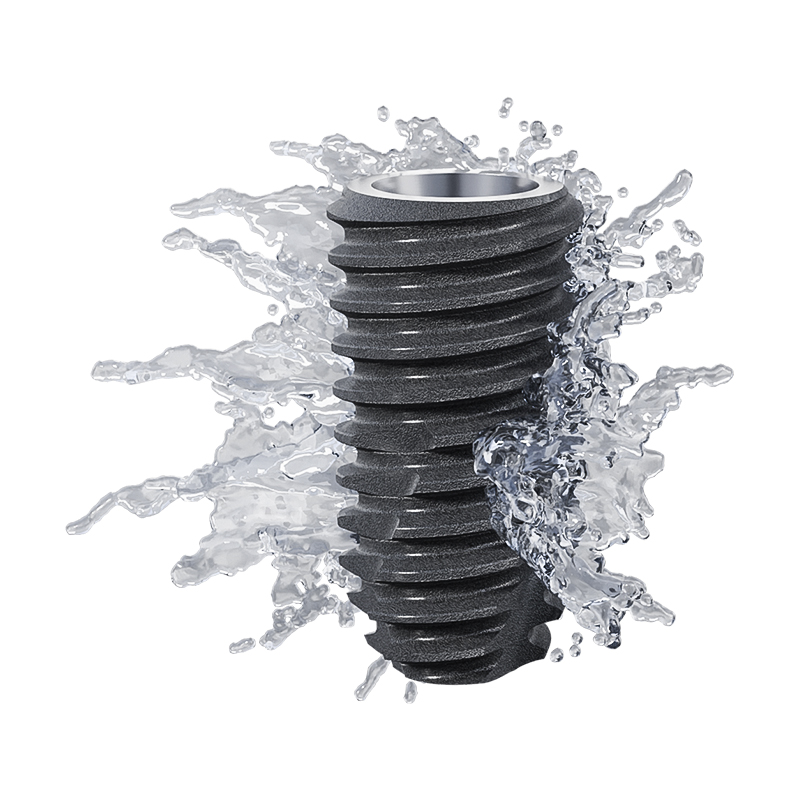
Implant placement: Your doctor will drill holes into the alveolar bone and place multiple dental implants, usually 4 to 6 implants each in the upper and lower jaws, to provide adequate support.
Healing period: After the implant is placed, the patient needs to go through a healing period, usually several months, to allow the implant to integrate with the bone tissue.
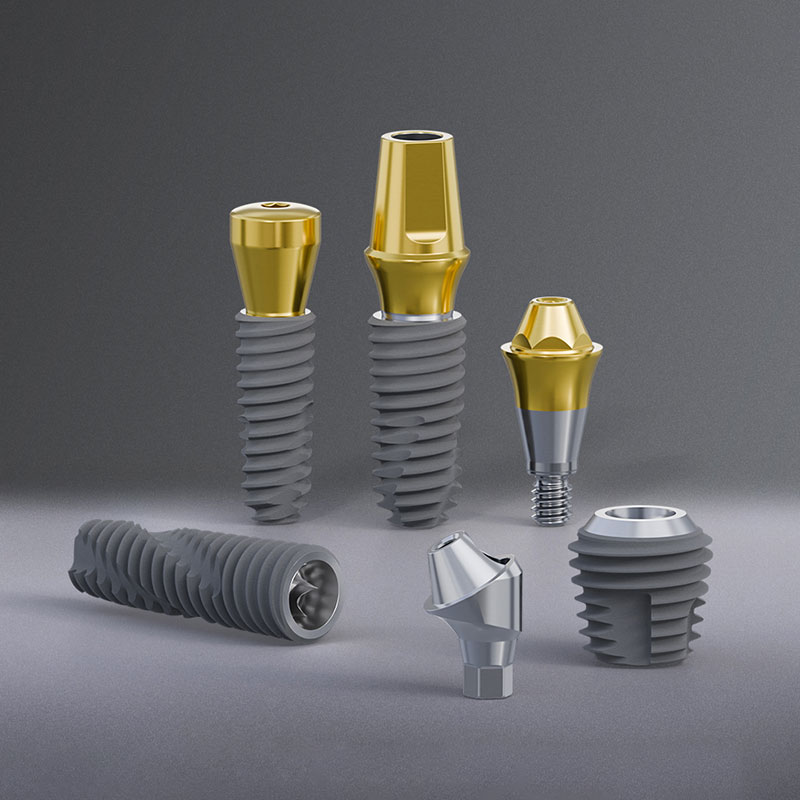
Abutment and restoration installation: After the healing period is complete, the doctor will install the abutment and place a fixed or removable restoration as needed to restore the patient’s chewing function and aesthetics.
What is the success rate of full dental implants?
Success rate:
The success rate of full dental implants is usually over 90%, but the specific success rate varies depending on individual differences and surgical conditions. Factors that affect the success rate include:
The patient’s overall health: Diabetes, smoking, immune system disorders, etc., can affect the healing process.
Bone quantity and quality: Adequate bone quantity and quality are key to implant success. If bone quantity is insufficient, a bone graft may be required.
Surgical skills: The surgeon’s experience and technical level directly affect the success rate of the operation.
Post-Op Care: Patients can significantly improve their success rates by following their doctor’s post-op care recommendations, including oral hygiene and regular follow-up visits.
How long is the recovery time for full dental implants?
Recovery time for full dental implants varies from person to person and generally includes the following stages:
Initial Recovery After Surgery: Patients may experience swelling and discomfort for a few days after surgery, which usually subsides within a week.
Healing Period: The healing period for the implant to integrate with the bone tissue is usually 3 to 6 months, depending on the patient’s bone mass and overall health.
Adaptation period after restoration installation: After the restoration is installed, it may take several weeks for the patient to adjust to the new chewing function and oral sensation.
What are the maintenance and cleaning requirements for full dental implants? How should patients perform daily care?
Maintenance and cleaning requirements:
Regular check-ups: Patients should visit the dental office regularly for check-ups to ensure the stability of implants and restorations.
Oral Hygiene: Maintaining good oral hygiene is key and patients should brush their teeth twice daily and floss the area around the abutment.
Avoid hard food: In the early postoperative period, patients should avoid chewing hard food to prevent excessive pressure on the implant.
Use an antibacterial mouthwash: Your doctor may recommend an antibacterial mouthwash to reduce the number of bacteria in your mouth and reduce your risk of infection.