



What basic tools and materials are typically included in a surgical suture kit?
What basic tools and materials are typically included in a surgical suture kit?
Surgical Suture Kit typically contain the following basic tools and materials:
-
Suture: Depending on the surgical needs, sutures can be absorbable (such as polylactic acid, polyvinyl alcohol, etc.) or non-absorbable (such as silk, nylon, etc.). The diameter and strength of the suture will vary depending on the site and type of surgery.
-
Suture needle: Suture needles are usually used in conjunction with sutures and are divided into different types (such as straight needles, curved needles) and sizes to suit different surgical needs.
-
Forceps: Used to hold and manipulate sutures, helping surgeons to more precisely control the position of the sutures during the suturing process.
-
Scissors: used to cut sutures, usually including surgical scissors and thread cutters, to ensure that the excess thread can be cut smoothly after suturing is completed.
-
Suture forceps: used to clamp and tighten the suture to ensure the tightness and stability of the suture.
-
Gloves and sterile materials: Ensure a sterile environment during surgery to prevent infection.
-
Suture instruments: such as suture guns or automatic staplers, suitable for specific types of surgery to improve suturing efficiency.
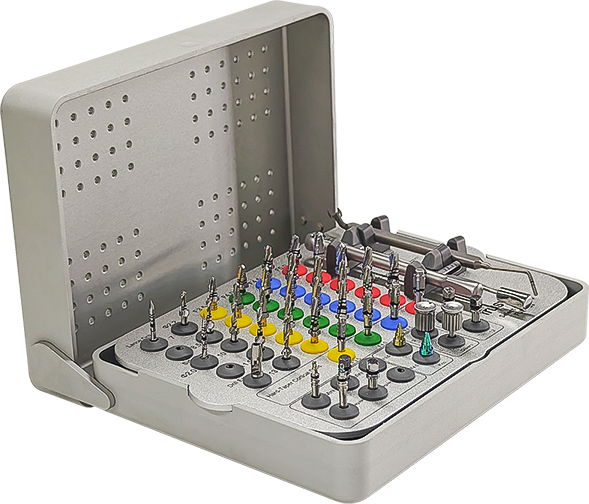
How to choose appropriate sutures and surgical suture kit to meet the needs of different surgeries?
When selecting appropriate sutures and surgical suture kit, surgeons should consider the following factors:
-
Type of surgery: Different types of surgery (such as skin suture, visceral suture, dental surgery, etc.) have different requirements for sutures. Surgeons should choose appropriate sutures according to the characteristics of the surgical site.
-
Tissue type: The choice of suture should take into account the type of tissue being sutured (such as skin, muscle, internal organs, etc.). Different tissues have different healing characteristics and tension requirements.
-
Healing time: Absorbable sutures are suitable for tissues with a shorter healing time, while non-absorbable sutures are suitable for situations where long-term support is required.
-
Patient’s health: The patient’s overall health, allergy history, and healing ability will also affect the choice of suture. For patients with special health issues, doctors should choose materials with better biocompatibility.
-
Suture technique: Different suturing techniques (such as continuous suture, interrupted suture) may require different types of sutures and tools, and surgeons should choose appropriate materials according to specific techniques.
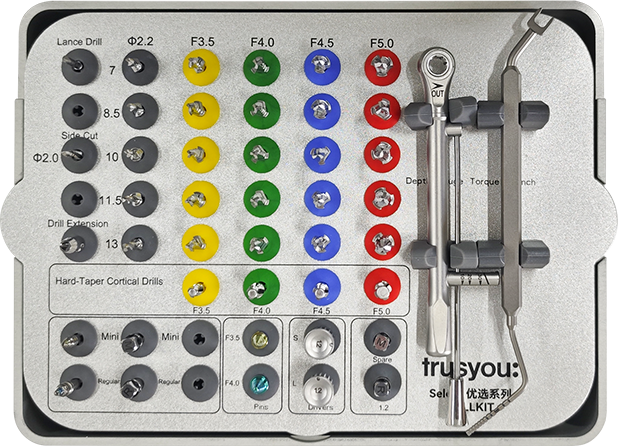
How does the quality of a surgical suture kit affect the success rate of surgery and the patient’s recovery?
The quality of surgical suture kit has a significant impact on the success rate of surgery and patient recovery, mainly in the following aspects:
-
Material biocompatibility: High-quality sutures and tools generally have good biocompatibility, which can reduce postoperative infection and inflammatory response, thereby improving healing outcomes.
-
Strength and stability of sutures: High-quality sutures provide sufficient strength to ensure that the sutured site remains stable during the healing process, reducing the risk of suture failure.
-
Tool precision and ease of use: High-quality suturing tools can improve surgeons’ operating precision, reduce operation time, and reduce patients’ anesthesia risks and postoperative complications.
-
Sterilization and Maintenance: Good quality kits usually come with good sterilization and maintenance guidelines to ensure sterility is maintained during the procedure, reducing the risk of infection.
What operating techniques and precautions should surgeons pay attention to when using surgical suture kit?
When using surgical suture kit, surgeons should pay attention to the following operating tips and precautions:
-
Aseptic operation: Ensure that aseptic techniques are followed throughout the operation to avoid cross infection. All tools and materials should be strictly sterilized before use.
-
Suture selection: Select appropriate suture according to the type of surgery and tissue characteristics, ensuring that its strength and biocompatibility meet the requirements.
-
Suture technique: Master different suturing techniques (such as continuous suturing, interrupted suturing, internal suturing, etc.), and select appropriate techniques according to surgical needs to ensure the tightness and stability of the suture.
-
Suture tension: During the suturing process, pay attention to controlling the tension of the suture line to avoid being too tight or too loose to reduce postoperative complications.
-
Postoperative observation: After suturing is completed, regularly observe the healing of the sutured area and promptly handle possible complications such as infection, bleeding, etc.
What are the disinfection and maintenance requirements for surgical suture kit? How to ensure their safety during surgery?
Sterilization and maintenance requirements for surgical suture kit include:
-
Sterilization Procedure: All tools should be sterilized by high temperature steam sterilization or chemical sterilization before use to ensure sterility. The integrity and cleanliness of tools should be checked before use.
-
Regular Inspection: Regularly check the wear and damage of tools, and replace or repair damaged tools in time to ensure their effectiveness and safety in surgery.
-
Storage conditions: Store sterilized tools in dedicated instrument boxes or racks to avoid collisions and scratches to ensure the integrity of the tools.
-
Usage records: Keep records of tool usage to ensure that the cleaning and disinfection process after each use is documented for easy tracking and management.
-
Training and Education: Provide regular training and education to the medical team to ensure that all members understand the requirements of sterilization and maintenance and maintain high standards of surgical safety.