



What impact does the material selection of the implant abutment (such as titanium, zirconia, etc.) have on its biocompatibility and aesthetics?
What impact does the material selection of the implant abutment (such as titanium, zirconia, etc.) have on its biocompatibility and aesthetics?
The material choice of the Implant Abutment has a significant impact on its biocompatibility and esthetics:
-
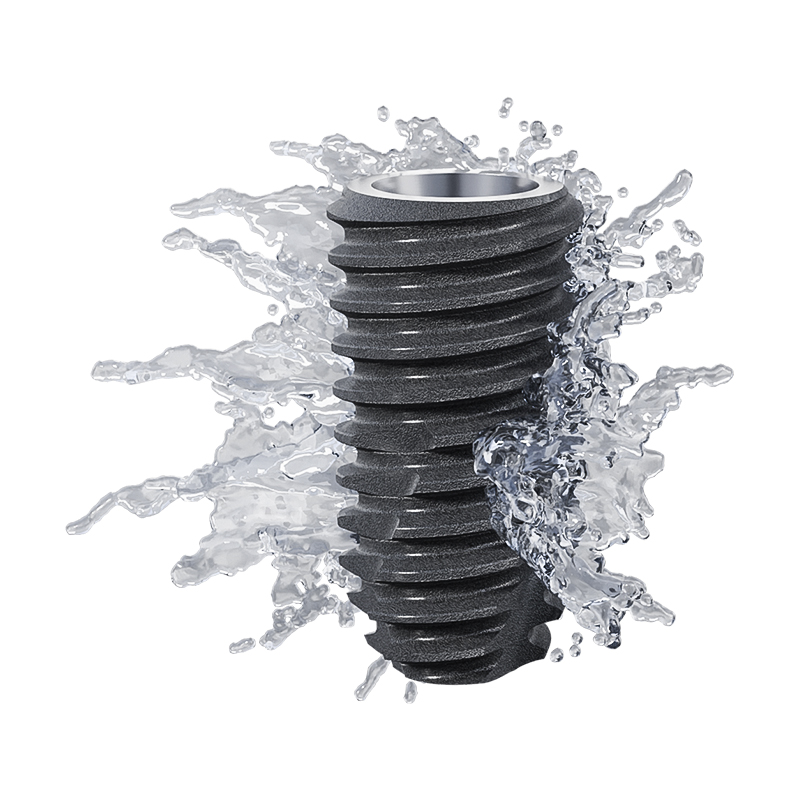
Titanium: Titanium is the most commonly used implant abutment material due to its excellent biocompatibility, strength, and corrosion resistance. Titanium Abutments integrate well with bone tissue, promote healing, and perform well in the oral environment. The surface of titanium can be treated to enhance its ability to integrate with bone tissue. Although titanium has poor aesthetics, its functionality and durability make it the first choice in many clinical situations.
-
Zirconia: Zirconia is an emerging material with good aesthetics and biocompatibility. Its color and transparency are close to natural teeth, suitable for patients with high aesthetic requirements. Zirconia Abutments can also effectively promote the healing of soft tissues during the healing process, and have less stimulation to surrounding tissues. However, the strength of zirconia is relatively low, and it may not be suitable for the posterior teeth area that bears greater bite forces.
-
Composites: Certain composite materials are also used for implant abutments, and while they may not be as strong as titanium or zirconia, they can provide good biocompatibility and esthetics in certain situations. Composites are often used for temporary abutments or in specific restorative situations.
The choice of material not only affects the biocompatibility and aesthetics of the abutment, but may also affect the effect of subsequent restoration. Therefore, the patient’s specific situation and needs must be considered comprehensively when making the choice.
What factors should patients consider when choosing an implant abutment? What advice do doctors usually give?
When choosing an implant abutment, patients should consider the following factors:
-
Biocompatibility: Choose materials with strong biocompatibility to reduce irritation and allergic reactions to surrounding tissues. Titanium and zirconium oxide are common biocompatible materials.
-
Aesthetics: For the anterior area, patients may be more concerned about the aesthetics of the abutment. Zirconia abutments are favored because they are close to the color of natural teeth.
-
Strength and durability: Patients should consider the strength of the abutment, especially in the posterior area, which is subject to greater bite forces. Titanium abutments generally perform better in terms of strength and durability.
-
Doctor’s advice: The doctor will provide professional advice based on the patient’s oral condition, implant type, and desired restoration results. The doctor may recommend the material and design that best suits the patient’s individual needs.
-
Economic factors: The cost difference of different materials may affect the patient’s choice. Patients should discuss their budget with their doctors and choose the appropriate material.
How does the design of the implant abutment affect the fit and aesthetics of the subsequent crown?
The design of the implant abutment has an important influence on the fit and aesthetics of the subsequent crown:
-
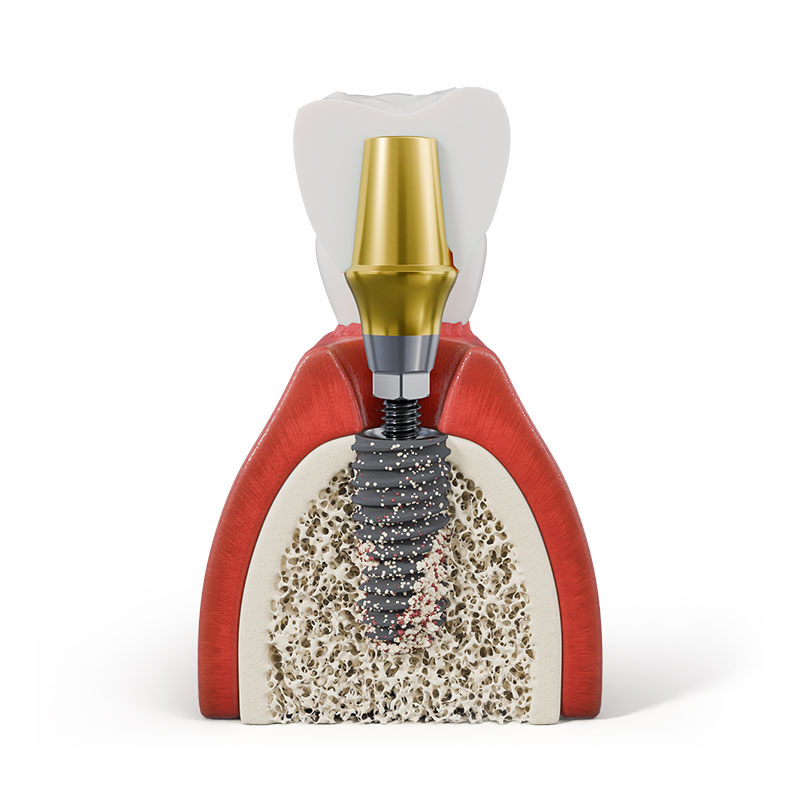
Height and Shape: The height and shape of the abutment should match the patient’s anatomy to ensure a proper fit of the crown. Improper design may result in the crown not being in harmony with the surrounding teeth or gums.
-
Margin design: The edge design of the abutment should be smooth and without sharp angles to reduce irritation to soft tissue and promote healing. Good edge design helps to form a natural gingival contour and improve aesthetics.
-
Connection method: The way the abutment is connected to the implant (such as screwing or bonding) affects its stability and fit. A stable connection helps ensure the correct position of the crown when biting.
-
Personalized Design: Personalized design based on the patient’s facial features and smile line can enhance the aesthetics and natural feel of the crown.
What is the implant abutment installation process like? What should patients pay attention to before and after the surgery?
The implant abutment installation process usually includes the following steps:
-
Preoperative evaluation: The doctor will evaluate the patient’s oral condition to determine the stability and healing of the implant.
-
Local Anesthesia: Before the abutment is placed, the doctor will administer local anesthesia to the surgical area to ensure that the patient is comfortable during the procedure.
-
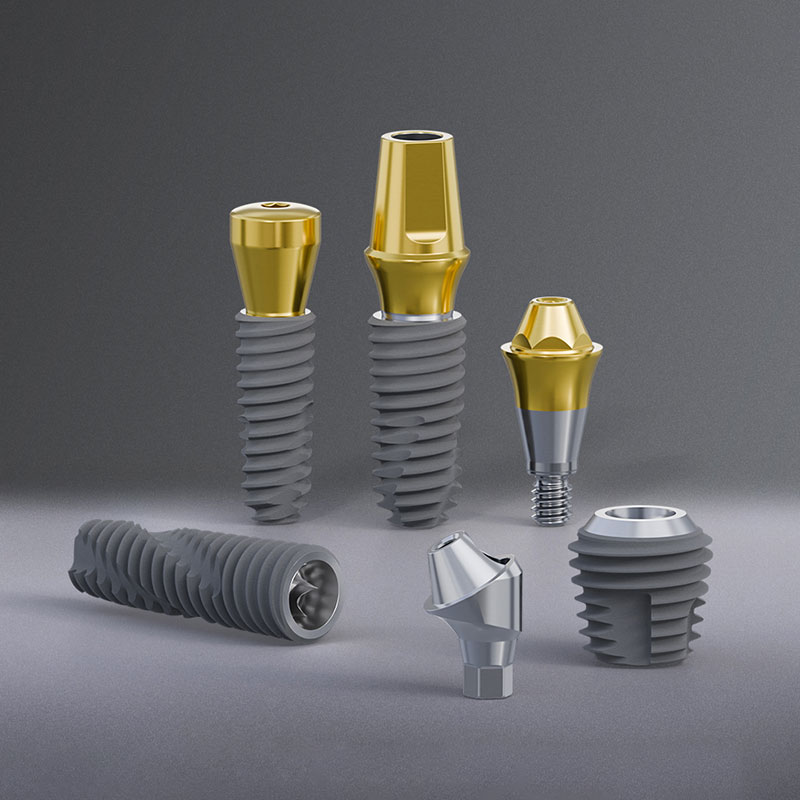
Abutment installation: The doctor fixes the implant abutment to the implant by threading or bonding. During installation, it is necessary to ensure a tight fit between the abutment and the implant.
-
Post-operative Care: After the installation is completed, the doctor will provide post-operative care recommendations, including medication, diet and oral hygiene instructions.
Things patients need to pay attention to before and after surgery include:
-
Follow your doctor’s advice: Patients should strictly follow the doctor’s pre- and post-operative instructions to ensure the success of the surgery.
-
Maintain oral hygiene: You should maintain good oral hygiene after surgery, brush your teeth regularly and use mouthwash to reduce the risk of infection.
-
Avoid irritating foods: During the healing period, patients should avoid excessive heat, cold, or irritating foods to reduce irritation to the abutment.
-
Regular follow-up: Patients should follow their doctor’s advice to return for regular visits for professional oral examinations and cleanings.
What are the care and maintenance requirements for implant abutments? How should patients take care of implant abutments in their daily lives?
The maintenance and care of implant abutments is essential to ensure their long-term function and aesthetics. Patients should pay attention to the following in their daily lives:
-
Maintain good oral hygiene: Patients should brush their teeth twice a day, floss, and rinse mouth to reduce bacterial buildup and prevent gingivitis and infection.
-
Regular oral examination: Patients should visit the dentist regularly for professional oral examination and cleaning to ensure the health of the implant abutment and surrounding tissues.
-
Pay attention to diet: Avoid chewing hard objects (such as nuts, ice cubes, etc.) to prevent damage to the abutment or crown. Choose soft foods, especially in the first few days after surgery.
-
Quit smoking: Smoking affects the healing process and increases the risk of infection. Patients should try to quit smoking to improve the success rate of the implant abutment.
-
Watch for symptoms: Patients should pay attention to any discomfort or unusual symptoms such as swelling, pain or bleeding and report them to their doctor promptly.