



What is a healing abutment implant and what role does it play in dental implant surgery?
What is a healing abutment implantand what role does it play in Dental Implant surgery?
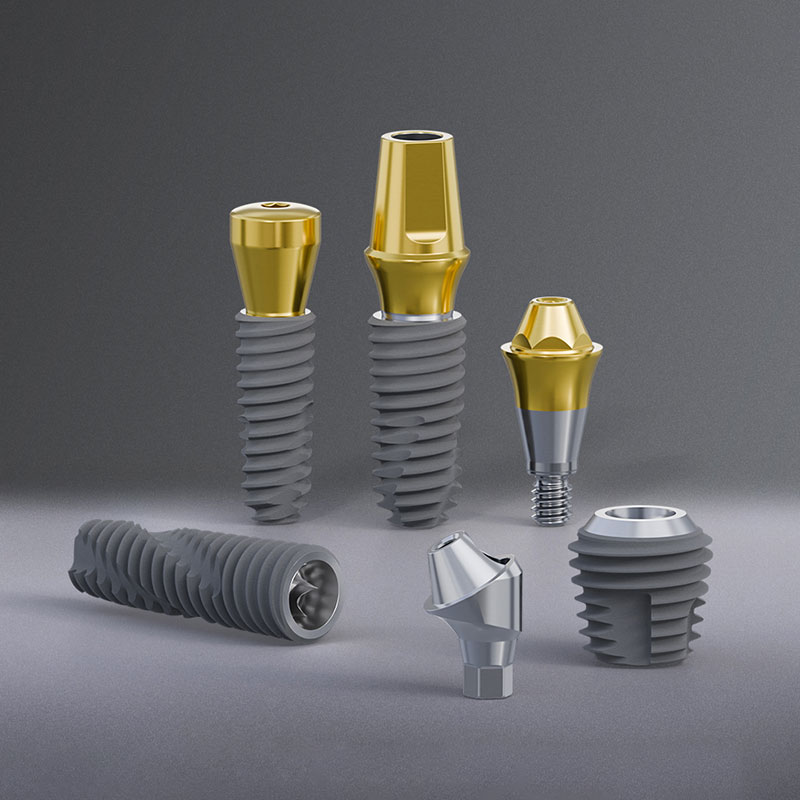
A Healing Abutment implant is a temporary device that is usually installed over the implant after dental implant surgery to promote healing of the surrounding soft tissue. The main functions of a healing abutment include:
-
Promotes soft tissue healing: The design of the healing abutment helps form healthy soft tissue around the implant, ensuring a smooth healing process. It provides a stable surface to help the soft tissue attach properly during the healing process.
-
Soft tissue shaping: The shape and height of the healing abutment can influence the morphology of the surrounding soft tissue and help form a natural gingival contour for subsequent restoration work.
-
Prevents infection: The design of the healing abutment can reduce the accumulation of bacteria and reduce the risk of peri-implant infection. It usually has a smooth surface, which reduces the chance of bacterial attachment.
What is the success rate of the healing abutment implant? What are the factors that affect its success rate?
The success rate of a healing abutment is generally related to the following factors:
-
Initial stability of the implant: The stability of the implant in the bone tissue directly affects the success rate of the healing abutment. The higher the initial stability, the greater the possibility of healing.
-
Overall health of the patient: The patient’s health conditions (such as diabetes, smoking, etc.) can affect the healing process. Patients with poor health may be at higher risk for complications.
-
Oral Hygiene: Good oral hygiene habits help reduce the risk of infection and promote healing. Patients should brush, floss, and rinse their teeth regularly.
-
Material and design of the healing abutment: The material (such as titanium or zirconium oxide) and design (such as shape and height) of the healing abutment will also affect the healing effect. Materials with high biocompatibility generally promote better healing.
What effect does the connection method between the healing abutment and the implant have on the healing effect?
The connection between the healing abutment and the implant has the following effects on the healing effect:
-
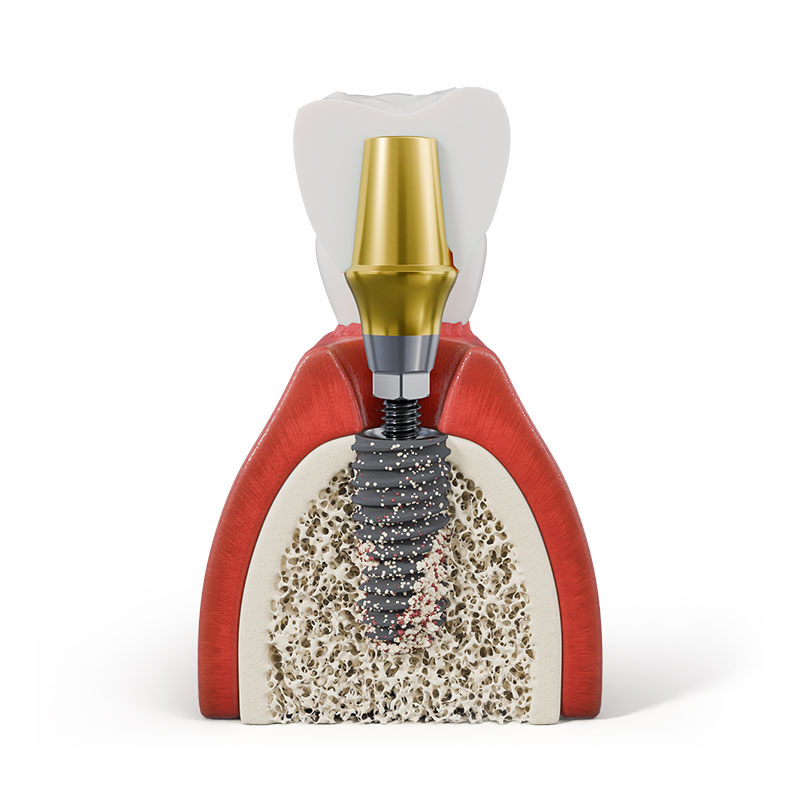
Stability of connection: The connection method between the healing abutment and the implant (such as screw connection or cementation) affects its stability. A stable connection helps ensure that the abutment does not move during the healing period, thus promoting healing of the soft tissue.
-
Stress distribution: The connection method will affect the stress distribution of the healing abutment under occlusal force. Reasonable stress distribution helps reduce the burden on the surrounding bone tissue and promote healing.
-
Infection Risk: The design of the connection should minimize the accumulation of bacteria and reduce the risk of infection. Smooth connection surfaces and good sealing help prevent bacterial intrusion.
In the clinical application of healing abutment implant, how do doctors evaluate the adaptability and stability of the abutments?
In the clinical application of healing abutments, doctors usually evaluate the adaptability and stability of the abutments by the following methods:
-
Clinical examination: The doctor will visually and tactilely check the connection between the healing abutment and the implant to assess its stability and fit.
-
Imaging: Using imaging techniques such as X-rays or CT scans, doctors can evaluate the integration of the implant with the surrounding bone tissue and determine the adaptability of the healing abutment.
-
Functional Testing: Where appropriate, the practitioner may perform an occlusal test to assess the stability of the healing abutment under occlusal forces.
-
Patient feedback: The patient’s subjective feelings and feedback are also important. The doctor will ask the patient about any discomfort or pain during the healing process to assess the adaptability of the abutment.
What are the postoperative complications of healing abutment implant? How can they be prevented and managed?
Postoperative complications of healing abutments may include:
-
Infection: Postoperative infection is one of the most common complications. Prevention measures include maintaining good oral hygiene, regular follow-up visits, and following your doctor’s postoperative care recommendations.
-
Poor healing: Poor healing may occur if the soft tissues do not heal properly. Your doctor will monitor the healing regularly and intervene if necessary.
-
Loosening of the abutment: If the connection between the healing abutment and the implant is not stable, this may lead to loosening of the abutment. Your doctor will check the abutment after surgery to ensure its stability.
-
Allergic reactions: Some patients may experience allergic reactions to implant materials. Physicians should consider the patient’s allergy history when selecting materials.
The key to managing these complications is timely recognition and intervention. Patients should visit their doctor regularly and report any discomfort or unusual symptoms so that they can be managed promptly.