



What is a Surgical Kit and what basic instruments and materials does it usually contain?
What is a Surgical Kit and what basic instruments and materials does it usually contain?
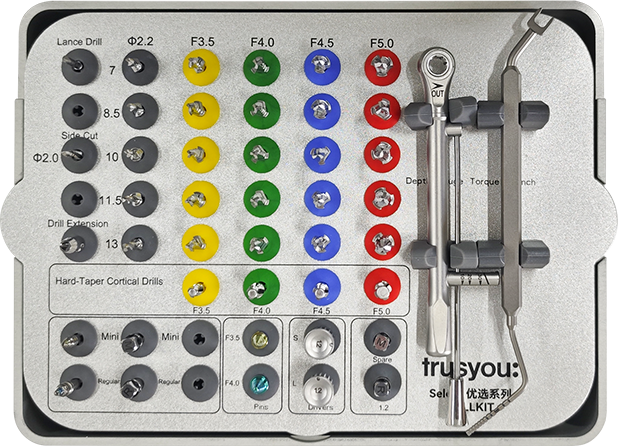
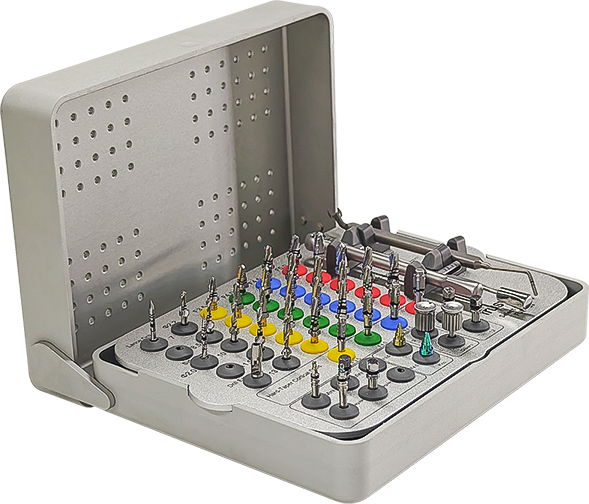
A Surgical Kit is a set of instruments and materials carefully designed and prepared for a specific type of surgery. It is intended to provide surgeons with all the tools they need during surgery to ensure the smooth progress of the surgery and the safety of the patient. The composition of a surgical kit usually includes the following basic instruments and materials:
- Cutting instruments: such as scalpels, scissors and blades, these instruments are used to cut tissue, make surgical incisions or remove diseased tissue.
- Gripping instruments: Such as forceps, pliers and clamps, these instruments are used to grasp, hold or compress tissue to facilitate the surgeon’s manipulation.
- Suture instruments: such as suture needles, sutures and suture forceps, these instruments are used to suture incisions or tissues to promote healing.
- Suction instruments: Such as suction tubes and suction devices, these instruments are used to remove blood and body fluids from the surgical area to maintain a clear view.
- Dilation instruments: Such as dilators and spreaders, these instruments are used to expand an incision or cavity to facilitate surgical operations by surgeons.
- Fixation devices: Such as bone screws, plates and splints, these devices are used to fix bones or other tissues in place to ensure stability during the healing process.
- Powered instruments: Such as electroscalpels and laser knives, these instruments are used to cut, weld or coagulate tissue and are usually powered by an electrical source.
- Sterile materials: such as gauze, dressings and disinfectants, these materials are used to keep the surgical field sterile and prevent infection.
How does the standardized design of Surgical Kit improve surgical efficiency and safety?
The standardized design of Surgical Kit significantly improves the efficiency and safety of surgery in a number of ways, including:
-
Reduce preparation time: Standardized Surgical Kits ensure that all necessary instruments and materials are ready before surgery, reducing the preparation time for surgeons and surgical teams before surgery, thereby improving the overall efficiency of the surgery.
-
Improved predictability: Standardized design enables surgeons to foresee the instruments and materials they will need, reducing the time spent searching for instruments during surgery and ensuring a smooth surgical process.
-
Reduce the risk of errors: By using standardized Surgical Kits, surgical teams can reduce the risk of missing or using the wrong instruments, thereby improving the safety of surgery and reducing the incidence of complications.
-
Facilitate training: Standardized Surgical Kits provide clear learning materials for novice surgeons, helping them to become familiar with the use and management of Surgical Instruments more quickly and improve their operating skills.
-
Improved quality control: Standardized design makes it easier to control the quality of Surgical Kits, ensuring that each surgical kit meets the standards of the hospital or medical institution, thereby improving the overall quality of the surgery.
What are the different requirements for the use of Surgical Kit in different types of surgery?
In different types of surgeries, the requirements for the use of surgical instruments vary, mainly reflected in the following aspects:
-
Type of surgery:
-
Open surgery: Usually requires more cutting and gripping instruments to expose the surgical field and ensure the surgeon has a clear view of the surgical site.
-
Minimally invasive surgery: Specific minimally invasive instruments, such as endoscopes and small cutting instruments, are required to reduce damage to surrounding tissues, improve surgical safety and recovery speed.
-
Organization Type:
-
Soft tissue surgery: More delicate instruments, such as fine forceps and small scissors, may be required to avoid damage to tissue and ensure precision of the surgery.
-
Bone Surgery: Stronger instruments, such as bone saws and bone nails, are needed to cope with the hardness of bones and ensure the effectiveness of the surgery.
-
Complexity of surgery:
-
Simple surgery: May only require basic cutting and suturing instruments and the operation is relatively simple.
-
Complex Surgery: A combination of multiple instruments, including powered instruments and special fixation instruments, may be required to meet the complex needs of the surgery.
How does the design of Surgical Kit affect the precision and safety of surgery?
The design of surgical instruments has a significant impact on the accuracy and safety of surgery, mainly in the following aspects:
-
Ergonomic Design:
-
Ergonomic instrument design can improve surgeons’ operating comfort and reduce fatigue, thereby improving surgical precision and safety.
-
Functional Design:
-
The functional design of the instrument (such as the sharpness of the blade, the grip of the clamp) directly affects the accuracy and safety of the operation. High-quality instruments can reduce damage to tissues and reduce the risk of complications.
-
Visual Design:
-
Transparent or translucent instrument design can improve the doctor’s visualization of the surgical area, help the doctor to better operate and ensure the accuracy of the operation.
-
Material Selection:
-
The material selection of the instrument (such as stainless steel, titanium alloy, etc.) affects its durability and biocompatibility. High-quality materials can reduce wear and corrosion of the instrument and ensure long-term safety.
How to develop a maintenance and care plan for Surgical Kit to extend their service life?
Developing a surgical instrument maintenance and care plan is key to ensuring the long-term effectiveness of the instrument. Specific steps include:
-
Regular inspection:
-
Regularly inspect all surgical instruments to assess their wear and tear and functional status, identify and address problems promptly, and ensure that the instruments are always in good condition.
-
Cleaning and disinfection:
-
Ensure that all instruments are cleaned and sterilized immediately after use, following standard operating procedures to prevent bacterial growth and instrument damage, ensuring the safety of the surgery.
-
Proper storage:
-
Store instruments in a dry, clean environment, avoid moisture and corrosion, and use dedicated instrument boxes or trays for classified storage to prevent collision and damage between instruments.
-
Training and Education:
-
Regularly train the surgical team on the use and maintenance of instruments to improve their awareness and skills in instrument maintenance and ensure that each team member can use and maintain the instruments correctly.
-
Records and Feedback:
-
Establish a record system for the use and maintenance of equipment, and regularly evaluate the use and maintenance effects of the equipment so as to make improvements and ensure the optimal use of the equipment.