
Inquiry
Form loading...
Engineered with micro-threaded cervical designs, Grade 4 & 5 titanium biocompatibility, and advanced SLA surface treatments tailored for South American dental anatomy and challenging bone heights.
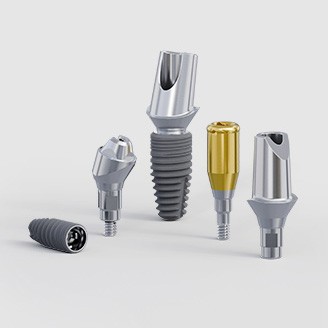
Designed for premium primary stability, self-tapping cutting edges, and optimum crestal preservation under heavy posterior occlusal forces in Brazilian patients.
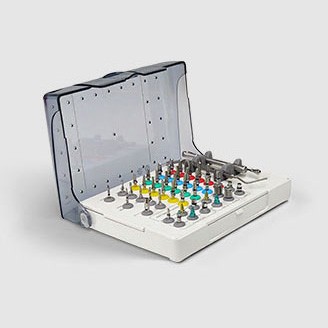
Versatile conical hex connection providing high bacterial seal, reduced micro-gap, and seamless compatibility with leading Brazilian digital surgical guides.
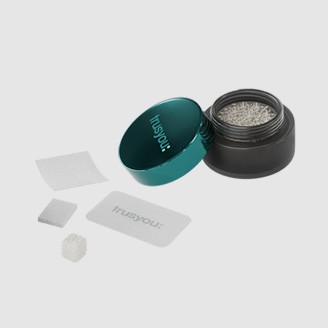
Natural porous biomimetic matrix accelerating osteoconduction, vital for vertical augmentation or simultaneous short implant site grafting in resorbed ridges.
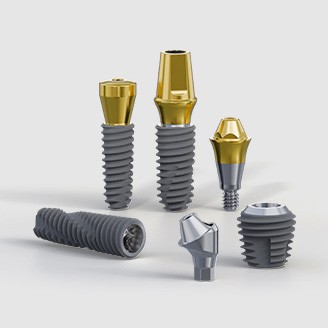
Engineered for immediate loading and reduced surgical morbidity, avoiding complex sinus lift or alveolar nerve transposition procedures in dental surgeries.
An extensive overview of how Brazilian implantology is adopting ultra-short and short fixture architectures to minimize surgical morbidity, reduce chairside costs, and optimize patient rehabilitation.
Brazil is universally acknowledged as one of the world's most dynamic and high-volume implantology markets. With major dental research clusters and healthcare hubs located across São Paulo, Rio de Janeiro, Curitiba, Belo Horizonte, and Porto Alegre, Brazil boasts over 60,000 certified implantologists and prosthodontists. As patient demographics shift toward an aging population seeking swift, minimally invasive oral rehabilitation, traditional invasive surgical protocols—such as extensive vertical bone grafting, onlay bone block transplantation, and traumatic sinus floor elevations—are increasingly replaced by cutting-edge short (6–8 mm) and extra-short (≤5.5 mm) dental implants.
The commercial dental landscape in Brazil requires manufacturing partners and suppliers to offer stringent compliance with ANVISA (Agência Nacional de Vigilância Sanitária), international ISO 13485, and MDSAP (Medical Device Single Audit Program) standards. Suppliers collaborating with local Brazilian distributors, private dental networks (clínicas odontológicas), and dental hospital systems demand unmatched dimensional tolerances, hyper-clean surface treatments, and highly competitive cost-to-performance ratios.
In posterior regions of the maxilla and mandible, severe alveolar resorption, inferior alveolar nerve (IAN) canal proximity, and subantral pneumatic sinus expansion often leave less than 6 to 8 mm of residual bone height. In the past, extensive bone reconstruction required multiple surgical phases, donor site morbidity, high financial expenses, and 6 to 9 months of healing before implant placement.
State-of-the-art short dental implants solve these hurdles through sophisticated design optimizations:
Optimized conical connections and thickened wall designs disperse high bite pressures, ensuring zero micro-movement and minimal stress concentration around the crestal cortical zone.
Eliminates complex bone block harvesting, lateral sinus windows, and nerve repositioning, slashing patient recovery time and chairside surgical risks by more than 50%.
Swiss-level surface conditioning promotes immediate protein absorption, accelerated fibrin network formation, and early bone-to-implant contact (BIC) ratios.
Understanding the engineering nuances helps Brazilian clinical procurement managers, OEM brand owners, and oral surgeons select optimal fixture geometries for varying anatomical limitations:
| Feature / Parameter | Standard Length Implants (10–14mm) | Short Implants (6.0–8.0mm) | Extra-Short Fixtures (≤5.5mm) |
|---|---|---|---|
| Bone Height Requirement | Requires ≥12mm residual vertical bone | Effective with 6.5–9mm vertical height | Solves extreme resorption (<6mm) |
| Need for Sinus Grafting | Frequent (Lateral window or Osteotome) | Minimal / Often avoidable | Avoids invasive grafting completely |
| Crown-to-Implant (C/I) Ratio | Typically < 1:1 | Acceptable up to 1.5:1 – 2:1 | Engineered for splinted restorations > 2:1 |
| Primary Stability Range | 35 – 50 N·cm | 35 – 45 N·cm (Self-tapping thread) | 30 – 40 N·cm (Under-drilling protocol) |
| Clinical Healing Time | 8 – 16 Weeks | 6 – 10 Weeks (Enhanced SLA) | 8 – 12 Weeks (SLA Nanotopography) |
Zhejiang Trusyou Medical Instruments Co., Ltd. was founded in 2012. It is a modern high-tech enterprise integrating R&D, design, production, and sales. It focuses on providing dental implant systems, surgical tools and instruments, advanced biomaterials, and all-round digital solutions to global users. Product sales cover more than 50 countries and regions including North America, Europe, the Middle East, and Southeast Asia, and are widely recognized across Latin America including Brazil.
The company actively carries out in-depth cooperation with industry authoritative experts and clinical medical institutions. Relying on the national experimental center Oujiang Laboratory and many domestic universities to establish a complete industry, academic, and research adaptation mechanism, Trusyou has achieved major breakthroughs in key research processes. Now it holds 5 Class III medical device registration certificates related to oral implants, 4 Class II medical device registration certificates, 44 Class I medical device registrations, and 45 authorized patents.
The products have obtained CE certification, US FDA, Australia TGA, Canadian MDSAP, and ISO 13485 quality system certification, ensuring smooth regulatory conformity for Brazilian dental companies seeking OEM/ODM manufacturing partnerships.
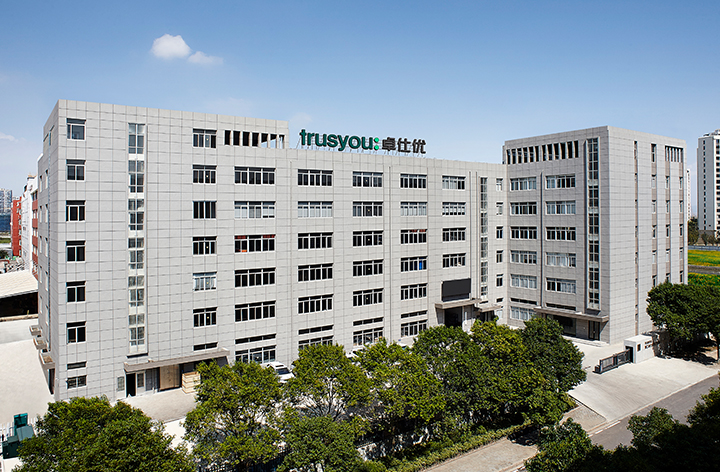
Combining Japanese and Swiss CNC ultra-precision machining, cleanroom controls, and German raw materials to manufacture flawless dental implant components.
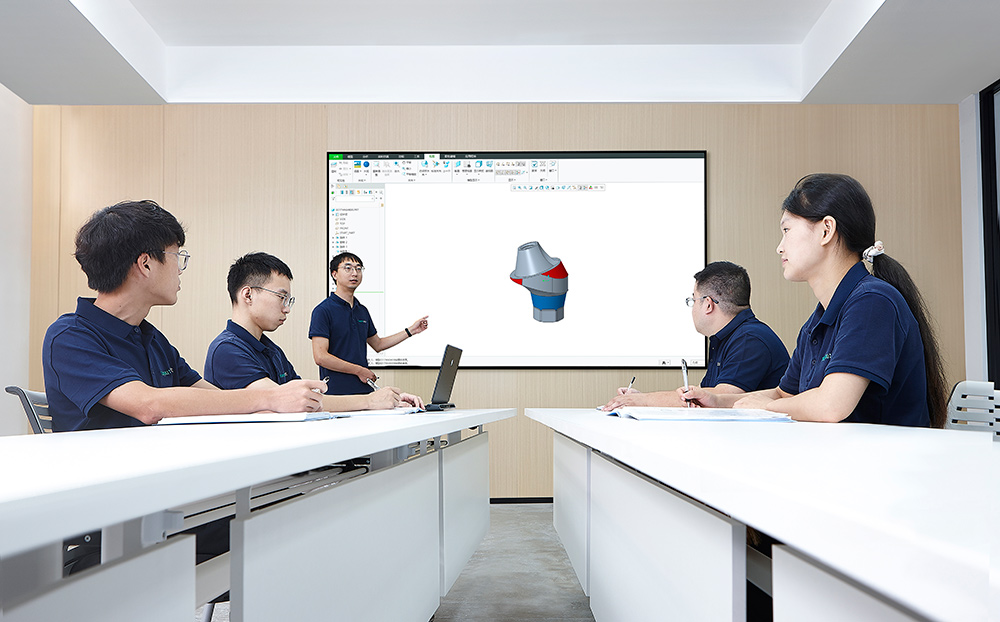
Since its establishment, Trusyou has always focused on R&D and innovation in the field of oral implant medicine. Through high-precision machining technology, advanced surface treatment technology, rigorous quality management system, computer simulation technology, and modern testing technology, it enriches product structure and optimizes performance.
We always maintain the curiosity of "?" and the execution power of "!". From the starting stage, we have the curiosity to question the status quo and the thinking of "what if...", continuing to explore life sciences, using systematic solutions to meet diverse clinical needs and help people worldwide regain their confident smiles.
Provide excellent, cost-effective dental products to global users, improve oral health and quality of life, and rejuvenate natural smiles across Latin America, Brazil, and worldwide communities.

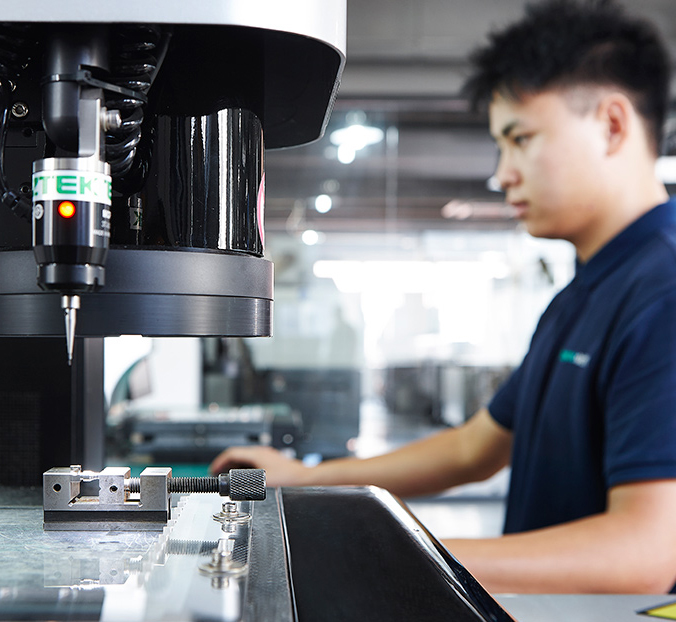
Explore our full range of dental implants, prosthetic abutments, surgical kits, and bone graft regeneration materials available for Brazilian dental distribution and clinical OEM supply.
Short implant geometry providing high cortical fixation and optimal soft tissue preservation for posterior mandibular restorations in Brazil.

High-grade Morse taper internal seal designed for zero micro-pumping, preventing marginal bone loss in atrophic alveolar bone arches.
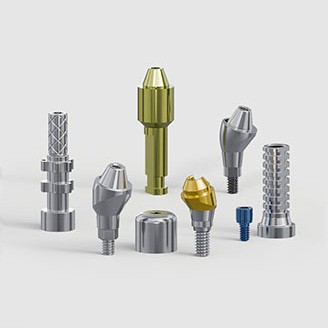
Precision multi-unit abutments, healing caps, scan bodies, and digital analogs compatible with major international and Brazilian implant connections.
Anatomical short fixture profiles facilitating gentle insertion torque and predictable primary stability in Type III & IV soft bone cases.
Highly purified xenograft/allograft synthetic matrix ensuring volume maintenance and rapid vascularization in horizontal and vertical augmentation.
Tailored specifically for 5.0mm – 6.5mm posterior implant sites, reducing surgical complexity and boosting clinical success in Brazilian clinics.
Equipped with specialized condensation micro-grooves to enhance primary mechanical grip even when vertical bone height is severely compromised.
Full digital workflow integration for guided short implant surgeries, providing micron accuracy, customized titanium bases, and zirconia superstructures.


