Inquiry
Form loading...

Blog

Why Choose Bone Level Dental Implants?

Why Choose Bone Level Dental Implants?

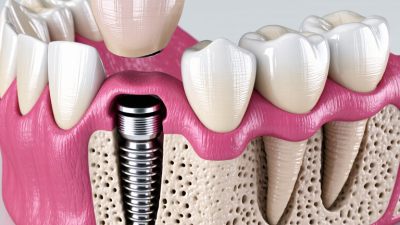
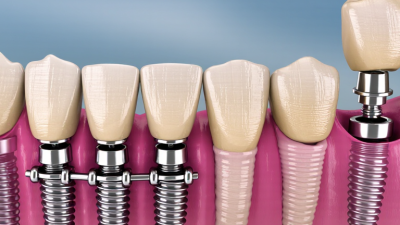
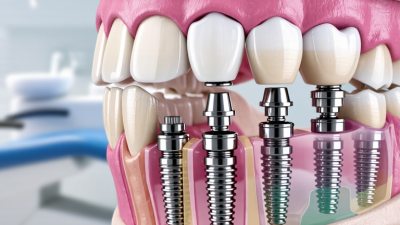
Losing teeth can really throw off how you eat, talk, or even crack a smile. The WHO's 2022 oral health report says almost 3.5 billion people deal with some kind of oral disease, and over a billion have severe gum issues. Those numbers are huge—they show just how big the need is—but they don't tell you who'd actually be a good fit for implants. So, a bone-level implant is basically placed right at the crest of your jawbone. That means the dentist can actually plan the implant and the final tooth replacement together, which is pretty neat. Because of where it sits, it helps them take good care of the gum and bone around it. And that's a big deal, especially for front teeth – even a tiny shift in tissue can mess with your smile. But honestly, the whole outcome really hinges on a bunch of things – your anatomy, how well you heal, your oral hygiene habits, and even the surgical plan. There's no such thing as an effortless implant, you know? Here’s some good news: a 2019 review by Howe and colleagues found that dental implants have a 96.4% chance of lasting ten years. That sounds great, right? But you've got to remember, that’s an average across a bunch of different studies – not a personal guarantee for your specific situation. Every mouth is different, you know? So a dentist should really take a close look at your bone quality, gum health, how hard you bite, and your medical history before recommending anything. And if you're the one getting the implant, don't be shy – ask about what daily maintenance looks like and what potential issues might pop up later on. Sure, the numbers help set the stage for the discussion—but when you look at individual cases, that’s where things get specific.
Read more »
Sophie By:Sophie - November 9, 2026
2026 Top Dental Implant Crown Types for Buyers

2026 Top Dental Implant Crown Types for Buyers

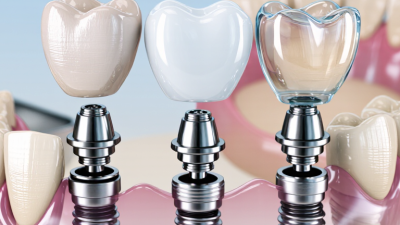
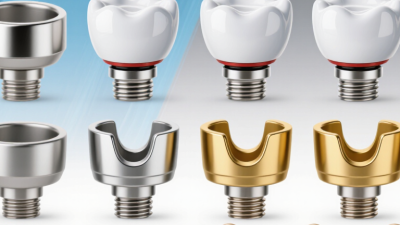
Honestly, picking a dental implant crown in 2026 isn't just about the material—there's a lot more to it. You've got to think about strength, how it looks, the fit, maintenance, and the total cost, not just upfront but over the whole restoration. Typically, you're looking at zirconia, porcelain-fused-to-metal, or glass-ceramic crowns, and each one works better for different cases. Honestly, there's no one-size-fits-all answer here—it really comes down to a bunch of things like where the implant sits, how hard you bite, how much room you've got, whether your gums show a lot when you smile, and of course, what your dentist has in mind. And you know what? The little stuff can totally make or break it. Like, a crown might look stunning under those bright clinic lights, but once it's next to your real teeth, it can seem a bit off. And even if the material is super tough, if the shape isn't quite right or the bite needs tweaking, it's going to let you down. So yeah, details matter a lot. So, if you're thinking about getting a crown, this guide's got you covered. We'll walk you through the top crown types and the stuff you really need to ask before you commit to a restoration. You know, things like what materials they're made of, how see-through they look, and whether they're actually durable—like, is there solid proof? And what about the lab work—how does that whole process go down? Also, you gotta make sure the crown and the implant are a match, and what happens if something breaks down the road? Look, specs can differ a lot depending on who makes it and your specific case. So, always ask for the detailed material specs, get the warranty terms in writing, and double-check that the abutment and crown are totally compatible. Just don't skip those steps—trust me, it's worth it. Look, there's no substitute for a proper clinical exam. You can't really judge bone support, bite patterns, or your own risk factors just by reading online descriptions. And here's the thing – just because something is labeled 'top' doesn't mean it's the best for everyone. Even if you compare carefully, there's still some guesswork involved. A shiny product sheet? That's not a guarantee it'll last. So, with a bit of evidence and some input from your dentist, you can make a smarter choice – but don't expect one crown to fix everything.
Read more »
Aria By:Aria - November 6, 2026
2026 How to Choose Zygomatic Dental Implant Suppliers?

2026 How to Choose Zygomatic Dental Implant Suppliers?

Picking a Zygomatic Dental Implant supplier in 2026 isn't just about comparing prices or flipping through a fancy brochure. These implants are involved in complex treatment planning, so the reliability of your supplier can really make or break things—from which implant you go with, to how smoothly your surgery prep goes, and even the support you get down the line. Look, a truly useful evaluation starts with three things: clear product specs, manufacturing info you can trace, and documentation that qualified clinicians can actually sit down and review. And let me tell you, details matter. They really do. So, when you're checking out an implant system, really take a close look at the materials, the dimensions, how the connections are designed, and what instruments come with it. And don't be shy—ask the supplier if they can walk you through their quality control process and share the latest technical documents for the products you're considering. Clinical evidence should actually relate to what you're looking at, with context that makes sense—not just some vague promises. You want real, transparent info, not fluff. So, before you dive into the whole procedure, it's worth checking what training, case-planning resources, and tech help are actually out there. Like, who do you ping if a component question pops up at the last minute? Sometimes a quick, straight answer beats a fancy brochure any day. Also, don't forget to double-check stock and delivery times — because if a part's not available, it can throw your whole plan off track. Look, picking a supplier isn't something you can just leave to the marketing folks. Sure, their claims sound great, but clinicians and procurement teams really need to use their own judgment and double-check the paperwork for their specific situation. A checklist can be handy, sure, but it might overlook the real-world stuff—like whether the instruments actually fit together, or how fast their support team answers a simple question. That's worth a second glance, don't you think? So, before you commit to any supplier, this guide is here to help you figure out what really matters—like how to compare your options, ask the tougher questions, and spot any red flags early on. Honestly, no one supplier is going to be perfect for every clinic; the best pick really depends on things like your clinical needs, the evidence behind their products, the level of service you get, and whether they actually respond when they say they will.
Read more »
Lila By:Lila - November 3, 2026
China Top Denture Implant Manufacturers for Global Buyers

China Top Denture Implant Manufacturers for Global Buyers

So, if you're a global buyer shopping around for Denture Implants from Chinese manufacturers, don't just go for the cheapest catalog price. You've got to look at the whole picture. I'm talking about product specifications, material traceability, quality control records, and how experienced they are with implant-supported dentures. And here's something important: ask them exactly how they identify and inspect each component. Also, make sure you get all the technical documents in writing before you commit to anything. I'd like to start with a paraphrase of Dr. Carl E. Misch's prosthetic-driven planning approach: you've got to plan the restoration before you even think about picking the implant. That's a golden rule when you're comparing implant systems for denture retention. So when you're shopping around, make sure the components actually fit the restoration you have in mind, and also see if the company's got your back with reliable technical support. Don't just get wowed by a smooth sample – dig into the nitty-gritty. The devil's in the details, right? You know, if you really want to get a sense of how a product is made, going to the factory in person, doing your own independent checks, and having documented quality steps in place can go a long way. Plus, you'd want to double-check that everything—like specs, labels, and paperwork—actually lines up with what your target market requires. But hey, this whole thing isn't about ranking suppliers or promising any specific clinical results. At the end of the day, that depends on which product you pick, what your professional judgment tells you, and how you care for each patient individually. Look, no comparison is perfect, right? Public catalogs might leave out some key details, and you can't always verify claims without digging deeper. So if a promise sounds too broad, take it with a grain of salt. In the following sections, we'll walk you through practical ways to compare Chinese manufacturers—covering things like product range, production capabilities, how they communicate, and after-sales support. The aim here is to help you build a smarter shortlist, not to skip your homework on due diligence.
Read more »
Aria By:Aria - October 29, 2026
2026 Top Types of Denture Implants Buyers Should Know?

2026 Top Types of Denture Implants Buyers Should Know?

So, picking the right Denture Implants isn't just about comparing prices or getting starry-eyed over those before-and-after photos. If you're shopping around in 2026, you've gotta know the main types that are out there — think endosteal implants, subperiosteal ones, zygomatic implants, and implant-supported overdentures. Each of them fits different situations, like how your bone's doing, how much upkeep you're willing to handle, what your budget looks like, and what you're expecting from the whole treatment process. Honestly, it's a bit like choosing a car — you need to match the option to your actual needs, not just the flashy adverts. Honestly, when it comes to implants for overdentures, there’s no one-size-fits-all answer. Some folks might get away with just two implants—simple as that. But others? They might need four or more to really feel stable, you know? It just depends on the patient, their bone quality, what they’re hoping to achieve. I mean, it’s never a universal thing, no matter what anyone says. You know, Dr. Per-Ingvar Brånemark is often called the father of modern osseointegration. He described it as a direct structural and functional link between living bone and the surface of an implant that's actually carrying a load. That idea is still the foundation for how we make sensible treatment decisions today. And honestly, there are so many things to consider—bone quality, medical history, bite force, gum health, and even how well you stick to your cleaning routine. Because here's the catch: even if the implant looks absolutely perfect, it can still fail if you don't brush and floss regularly or skip your professional check-ups. Honestly, this topic really deserves a bit of caution. And here's the thing: 'permanent' doesn't mean you can just forget about it. It's not maintenance-free, that's for sure. Healing? It can take months, sometimes longer. Some folks might need bone grafting, while others might not even be eligible for immediate loading. Even the most experienced clinicians can't eliminate every risk, so there's that. If you're thinking about this, definitely ask for a treatment plan, the materials they'll use, warranty terms, and make sure their credentials check out. Also, keep in mind that different dental teams might suggest different solutions once they review your scans. Look, that's not necessarily inconsistency, you know? Anatomy is personal. And honestly, the imperfect part is usually the expectation, not the technology. So our comparison focuses on the practical differences, making evidence-informed decisions, and what questions you should ask before investing in denture implants.
Read more »
Lila By:Lila - October 26, 2026
China Top Dental Crown Abutment Manufacturer Supplier

China Top Dental Crown Abutment Manufacturer Supplier

You know, as restorative dentistry and implant treatments keep moving forward, there’s a growing demand for dependable Dental Crown Abutment solutions. And get this: according to the World Health Organization’s Global Oral Health Status Report 2022, almost 3.5 billion people around the world deal with oral diseases. That’s a massive number—and it really shows just how big the unmet dental care need is. I mean, it also makes it pretty clear just how much safe, durable, and clinically suitable components really matter. Grand View Research put the global dental implants market at around USD 5.0 billion back in 2023, and their analysis points to continued growth all the way through 2030. But here's the thing: implant market data doesn't really capture the full Dental Crown Abutment segment. Definitions vary from report to report, after all. And that gap matters—especially when you're comparing suppliers, materials, and production capabilities. So for a China-based Dental Crown Abutment manufacturer, being responsible means offering more than just a tempting price. Really, it should show that materials can be traced, dimensions stay consistent, surface quality is solid, and quality controls are properly documented. When it comes to manufacturing, we really care about the practical stuff. An abutment needs to fit just right, help the crown seat securely, and hold consistent tolerances. Things like titanium grade, zirconia quality, connection geometry, and even packaging conditions? They all play a role in how confident clinicians feel. We can handle OEM and custom needs, and we'll back that up with inspection records and clear communication during production. That said—let's be honest—no supplier is perfect. Of course, how well a product performs isn’t just about the product itself. It also comes down to the dentist’s planning, the lab’s workflow, and whether it’s used correctly in the clinic. We’d rather show clear documentation than make big, over-the-top claims. For international buyers, working with a China Top Dental Crown Abutment Manufacturer Supplier should really mean dependable production, service that actually responds, and cooperation based on real evidence. Reliability doesn’t happen overnight. It’s built one batch at a time.
Read more »
Sophie By:Sophie - October 23, 2026
What Are the Top 10 Abutment Tooth Types?

What Are the Top 10 Abutment Tooth Types?

Picking the right abutment tooth isn't just about ranking options—it's a clinical call. An abutment tooth is the one that supports a bridge, crown, or removable prosthesis. Where it sits, how healthy its gums and bone are, the shape of its root, and how much tooth structure is left all play a role in whether things hold up over time. A sturdy molar can often handle heavy chewing. A thin incisor? That may call for a more careful, conservative plan. And this isn't a small issue. The American College of Prosthodontists says about 120 million Americans are missing at least one tooth, while roughly 36 million have no teeth at all. That's why solid abutment selection still matters so much in restorative dentistry. The WHO's Global Oral Health Status Report 2022 also flags tooth loss as a major global oral-health burden. Bottom line: demand is huge. Implant cases need their own vocabulary. A Tooth Implant Healing Abutment shapes soft tissue during healing. It's not the same thing as a natural abutment tooth. Mix those up and you can muddy treatment planning—and confuse patients. This guide looks at ten common abutment tooth types, including anterior, premolar, molar, splinted, crowned, and implant-supported options. Each has real strengths and limits. In the end, clinical judgment is what counts. Grand View Research reports continued growth in the dental implants market. But market growth doesn't mean every patient gets the same result. Bone support, occlusion, hygiene, parafunctional habits, and maintenance can all shift the prognosis. Some classifications overlap, too—and that's worth admitting. What follows blends prosthodontic principles, clinical experience, and evidence-informed thinking. Use it to support a conversation with a qualified dental professional—not as a replacement for individualized diagnosis or radiographic assessment.
Read more »
Aria By:Aria - October 19, 2026
2026 Best Types of Bone Substitutes for Global Buyers?

2026 Best Types of Bone Substitutes for Global Buyers?

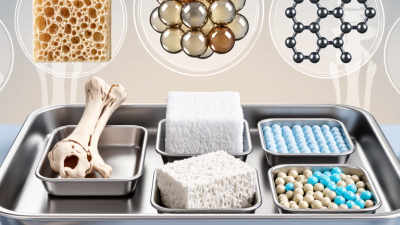
For global buyers, picking the best bone substitutes in 2026 isn't just about comparing prices or flipping through product photos. What really matters are clinical indication, defect size, handling properties, resorption behavior, and regulatory status. A tiny dental socket and a large spinal fusion site? They're not going to need the same solution. And honestly, the operating room is where the truth comes out. Dr. Thomas A. Einhorn, a well-respected researcher in bone healing, put it this way: 'Bone repair is a biological process, not simply a product choice.' That idea is still super useful when you're weighing autografts, allografts, xenografts, and Synthetic Bone Graft Substitutes. Autografts can offer strong biological performance, but harvesting them may mean extra pain and surgical burden. Allografts can help with availability, though you still need to look closely at processing quality and donor screening. Xenografts might give you dependable scaffolding, but patient preferences and local rules can affect whether they get adopted. Synthetic materials are moving fast. Calcium phosphate ceramics, bioactive glass, and composite polymers now offer different balances of strength, porosity, and degradation. Companies like Stryker, Zimmer Biomet, Medtronic, and Geistlich have widely recognized options. Still, brand reputation shouldn't take the place of evidence. Buyers should dig into clinical studies, technical files, sterilization records, and post-market data. Check every claim—really. The hard part is prediction. A graft that works great in one patient may disappoint in another. Surgeons have to think about vascularity, infection risk, loading conditions, and how well the patient can heal. Procurement teams should also verify import rules and labeling requirements in each target market. This guide compares the leading types of bone substitutes for global buyers, while admitting an uncomfortable truth: no single material is best for every defect, hospital, or patient.
Read more »
Aria By:Aria - October 13, 2026
2026 Top Bone Substitutes for Global Buyers?

2026 Top Bone Substitutes for Global Buyers?

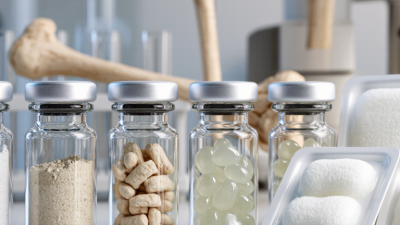
Picking the right bone substitute in 2026? It’s not just about comparing prices, product names, or glossy catalog photos. Global buyers really need to look at clinical evidence, what the material is made of, how it’s sterilized, shelf life, packaging, and whether the supplier is reliable. Take a small vial of calcium phosphate—it may look simple enough, but how well it works depends on porosity, setting time, how it resorbs, and where it’s being used in the body. Dr. B. Sonny Bal, an orthopaedic surgeon and biomaterials researcher, put it well: “Bone is a living tissue, not merely a structural material.” That idea matters when you’re evaluating Synthetic Bone Graft Substitutes. One product might offer great mechanical support but not integrate biologically as well. Another might resorb quickly but give you too little early stability. And labels? They rarely spell out every clinical limitation. This guide looks at leading bone substitutes for hospitals, distributors, and medical procurement teams around the world. We cover ceramic grafts, demineralized bone matrices, bioactive glass, collagen-based products, and newer composite materials. The comparison zeroes in on evidence quality, handling, regulatory paperwork, and supply consistency. No ranking is perfect—clinical outcomes can shift from patient to patient, surgeon to surgeon, and system to system. So buyers should ask for certificates, technical files, independent test data, and traceable manufacturing records. They should also double-check that a product is legally approved for the market where it will be used. A low purchase price can sometimes hide training costs, storage headaches, or unreliable availability. The strongest choice isn’t always the newest one. It’s the option that fits the procedure, the evidence requirements, the budget, and local clinical practice.
Read more »
Lila By:Lila - October 10, 2026
How to Choose the Best Dental Implant System in 2026?

How to Choose the Best Dental Implant System in 2026?

Picking the best Dental Implant System in 2026 isn’t just about comparing prices, surface specs, or flashy promos. You really need clinical judgment, solid evidence, and a good read on each patient’s anatomy. Bone volume, tissue quality, occlusion, systemic health, future maintenance—all of it shapes the decision. Fit matters. Context matters even more. Prosthodontist and implantology author Carl E. Misch once said, “The most important factor in implant dentistry is the treatment plan.” That idea still holds up, even as manufacturers roll out digital workflows, tapered designs, fancy surface treatments, and immediate-loading options. A modern system should give you predictable primary stability, prosthetic flexibility, documented long-term results, and consistent manufacturing quality. It should also come with accessible training, real technical support, and components that are still available years down the road. Clinical experience keeps showing one thing: a premium brand can’t fix poor planning. And a lower-cost system isn’t automatically unsafe—but if documentation is thin, you’re creating avoidable uncertainty. That’s worth being honest about. Marketing often sounds stronger than independent evidence. So clinicians should look at peer-reviewed studies, survival data, complication rates, warranty terms, and regulatory status in the target market. Patient expectations matter too. Someone who wants a fixed restoration in one day may still need staged treatment. This guide looks at leading implant platforms through a practical lens. It weighs surgical performance, restorative compatibility, digital integration, clinical evidence, and total treatment value. No Dental Implant System is perfect. The best choice is the one that matches the patient, the clinician’s training, and the demands of long-term care.
Read more »
Lila By:Lila - October 7, 2026
Top 10 Dental Crown Abutment Types for Global Buyers

Top 10 Dental Crown Abutment Types for Global Buyers

When it comes to choosing the top 10 Dental Crown Abutment options for global buyers, it all starts with a pretty simple but important question: which abutment actually fits the clinical situation, the implant system, and the overall restoration workflow? I mean, price isn't everything here. You’ve got to think about things like the material, connection shape, angulation, how far the gum tissue extends, and whether the manufacturer’s quality controls check out. Even a tiny mismatch can cause issues — things like instability, poor gum emergence, or headaches when it’s time to do maintenance. Dr. Carl E. Misch, who’s pretty much a pioneer in implant dentistry, once said, “The goal of implant dentistry is to bring the patient back to normal function, looks, speech, and health.” That’s a rule of thumb that still applies when picking out dental crown abutments. Titanium abutments are often a solid choice when strength and reliable connections matter. Zirconia, on the other hand, might blend in better visually, especially around delicate gum tissue. Custom abutments? They can give you more control over how the crown emerges from the gum, which is especially handy in tricky front cases. But, just knowing the material isn’t enough — success depends on the whole package. So, pay close attention. For buyers worldwide, it’s a good idea to check if the abutment is compatible with CAD/CAM systems, examine the surface finish, look at screw designs, and follow sterilization instructions. It’s also smart to ask for detailed drawings, batch records, and info on how they’ve been clinically tested. Make sure it works either with cement-retained or screw-retained crowns, depending on what you need. While ISO 13485 certification can be a helpful sign of quality, it’s not a substitute for your own judgment or understanding of local regulations. Honestly, no ranking out there is perfect. Gotta admit that. A more affordable abutment might work great in one case but not so well in another. This guide simply looks at ten common types from a buyer’s perspective, focusing on practical decision-making points rather than hype or promotional pitches. Usually, the best choice is the one that strikes a good balance — fitting well, working nicely with tissue, fitting smoothly into your workflow, and offering durability over the long haul.
Read more »
Lila By:Lila - October 2, 2026
How to Choose the Best Suture Scissors in 2026?

How to Choose the Best Suture Scissors in 2026?

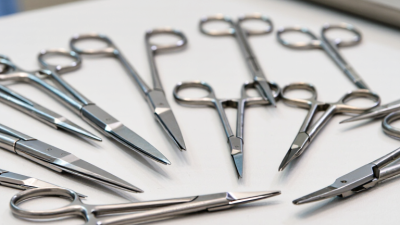
Picking out suture scissors in 2026 isn't just about looking at a shiny catalog image and calling it a day. You really gotta think about what kind of scissors will work best for the job, how they feel in your hand, and what your facility needs for reprocessing. Things like blade shape, tip design, how they cut, and what material they’re made from all matter—plus, consistency from one pair to another is key. You might find that a comfy handle feels totally different after hours of use, and let's be honest, a cheap pair might hide some uneven finishing. Those tiny details? They really do count. This reminds me of what surgeon and patient-safety expert Atul Gawande once said: “Better is possible. It does not take genius. It takes diligence.” His words aren’t about scissors specifically, but they’re a solid reminder that careful selection means paying attention to the small stuff. Take a close look—do the blades come together smoothly? Do the tips give you the visibility and control you need for your sutures? And don’t forget to check that the product info covers what’s in it, how to care for it, and what the manufacturer recommends. Honestly, you shouldn’t assume that every model fits every situation; always do your homework. Now, this guide is all about practical features, not saying one design is always the best. Do you need straight or curved blades? Fine tips or broader ones? It really depends on what you’re doing, who’s using it, and your local protocols. If you can, try handling samples with colleagues—sometimes that smooth hinge or the overall feel can matter way more than what’s on the specs sheet. And let’s be real: no buying checklist can replace good clinical judgment. A product page won’t show every real-world hiccup, so the goal is to make a solid, justified choice—not a perfect one.
Read more »
Aria By:Aria - September 28, 2026
How to Choose the Right Implant Abutment?

How to Choose the Right Implant Abutment?

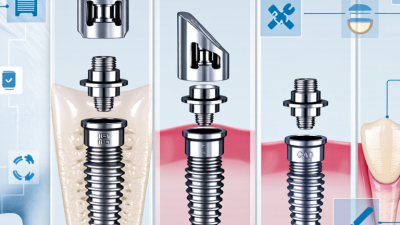
Picking the right implant abutment isn’t just a small lab decision — it really influences how the emergence profile looks, supports the tissue, how easy it is to retrieve later, and how well it holds up over time. The patient’s biotype plays a big role here too, along with the position of the implant itself. According to Grand View Research, the global market for dental implants hit around USD 5.94 billion in 2023, and they’re expecting this growth to keep going through 2030. Meanwhile, Fortune Business Insights points out that there’s a rising demand for custom-made, digitally designed implant parts. That’s a sign of market momentum, but it doesn’t necessarily guarantee clinical success. At the end of the day, the clinical decision is deeply personal. Dr. Carl E. Misch, a well-known expert in implant dentistry, once said, “The prosthetic restoration is the ultimate goal of implant dentistry.” His point is that the abutment should be considered as part of the whole restoration plan, rather than just a simple connector. When planning, a clinician needs to look at things like the implant’s angle, how thick the soft tissue is, the space available between bites (interocclusal space), how easy it is to keep everything clean, and what the final crown shape will look like. Sometimes, a stock abutment works fine for straightforward back teeth, but for more demanding front restorations, a custom or angled abutment might be the smarter choice. Plus, whether you go with a cemented or screw-retained crown also impacts the risks involved. Choosing the right healing abutment — the one used during provisional phases — needs careful thought too. Its size, height, and shape can really influence how the tissue forms around the future crown. Even small tweaks can be noticeable in the patient’s smile. But here’s the thing: no checklist can replace good clinical judgment. That’s the uncomfortable truth. While manufacturer info can make comparisons easier, patients rarely behave as simply as the data suggests. Digital workflows can boost accuracy, but they don’t prevent all planning mistakes. This guide looks at different materials, connection styles, tissue management techniques, potential mechanical issues, and maintenance info — all to help clinicians pick an implant abutment with a bit more confidence, reducing unnecessary compromises and making sound decisions easier.
Read more »
Aria By:Aria - September 23, 2026
How to Find a Reliable Subperiosteal Implant Supplier?

How to Find a Reliable Subperiosteal Implant Supplier?

Finding a trustworthy Subperiosteal Implant supplier isn’t just about comparing prices or browsing polished websites. You really want to see how much experience they have in clinical settings, their engineering skills, and whether they’re consistent with quality checks. Don’t hesitate to ask for documented traceability of their materials, detailed manufacturing records, sterilization processes, and how they verify their designs. These details become super important when you’re dealing with a custom framework that needs to follow a patient's uneven jawbone perfectly. Dr. Carl E. Misch, a well-known expert in dental implants, always stressed that “the key to success is proper diagnosis and treatment planning.” That advice definitely applies here too. Any good supplier should be willing to chat with the surgeon, review 3D images, and explain how their implant design matches the patient’s bone structure. Big names like Zimmer Biomet and Nobel Biocare have solid quality systems, but at the end of the day, each product still needs to be judged on its own merits. Just because a brand is famous doesn’t automatically mean it’s the right fit. Take a close look at their case history—are their clinical examples recent and detailed? Do they provide follow-up results? And can they walk you through their CAD/CAM workflows without confusing you with too much jargon? Reliable suppliers are transparent, ready to answer your questions quickly, and can set realistic expectations about delivery times. They should also be upfront about any manufacturing limitations. Honestly, no supplier is perfect. And that’s okay. But signs like rushing reps, vague certificates, or pressure to make quick decisions should raise a red flag. Some companies might show off shiny prototypes but then fall short when it comes to support after delivery. That’s where experience really comes into play. It’s worth talking to other surgeons who’ve used their systems, checking if the supplier is officially authorized in your region, and getting everything in writing. It might slow things down a little initially, but in the long run, it’s all about protecting your clinical judgment and building patient trust."
Read more »
Aria By:Aria - September 18, 2026
2026 Top Denture Implants Suppliers for Global Buyers

2026 Top Denture Implants Suppliers for Global Buyers

The market for denture implants in 2026 is becoming increasingly tough for buyers around the globe. These days, suppliers are really competing on things like solid clinical proof, consistent manufacturing, reliable delivery, and good technical support. When you're choosing a supplier, you want to see clear product specs, batch traceability, sterilization info, and well-documented quality procedures. It’s also important to get straightforward answers about implant materials, whether the prosthetics are compatible, what’s included in surgical kits, and how easy it is to get replacement parts. This guide takes a closer look at some of the top denture implant suppliers, especially from a buying perspective. It looks at their manufacturing experience, regulatory certifications, product development efforts, export capabilities, and how they communicate after a sale. You might want to check if they have certifications like ISO 13485, market registrations, independent audit results, clinical research published about their products, or verified customer reviews. All of this info really counts, especially when a shipment arrives at a busy dental clinic with every component properly labeled and ready for inspection. Of course, no supplier list is perfect. Things can change during 2026 — prices, delivery times, certifications, and regional approvals all need to be confirmed directly. Just because a company has great products doesn’t mean their communication is top-notch or that their distributors provide steady support. On the flip side, smaller manufacturers might offer personalized customization and quicker responses, so it’s worth keeping that in mind. Would-be buyers should ask for samples, technical files, warranty details, minimum order sizes, and recent quality reports. Comparing training resources, packaging quality, and how they handle complaints is also smart. Remember, clinical decisions should always be made by qualified dental professionals and comply with local rules. This intro is meant to give you a practical starting point for evaluating suppliers with more confidence, but keep in mind that info available online can sometimes be outdated, incomplete, or hard to fairly compare.
Read more »
Lila By:Lila - September 13, 2026